
Latest posts
-
Managing Fire Risks in Chemical and Petrochemical Industries
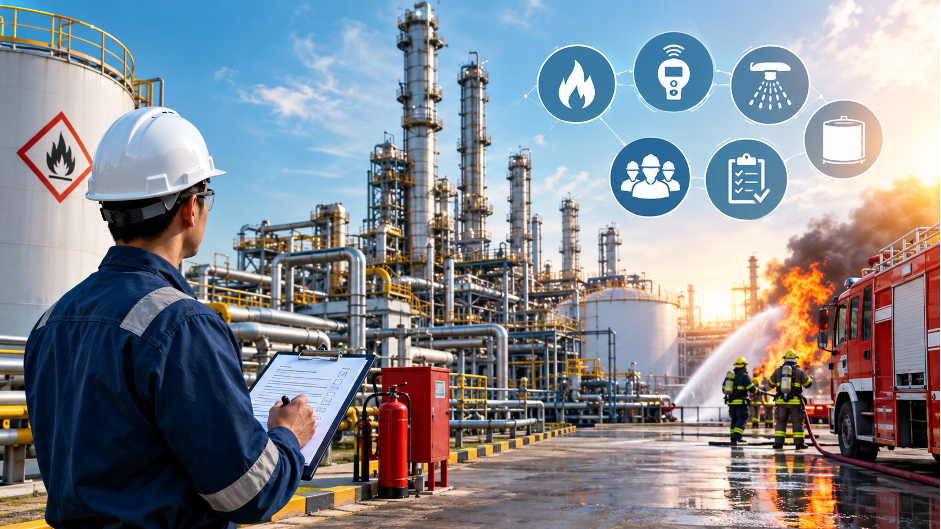
Chemical and petrochemical industries play a vital role in manufacturing, energy production, and the global supply chain. However, these facilities also face significant fire hazards due to the presence of flammable liquids, combustible gases, reactive chemicals, and high-temperature industrial processes. A single incident can result in severe injuries, extensive property damage, environmental contamination, and prolonged…
-
Addressing Fire Hazards in Renewable Energy Installations
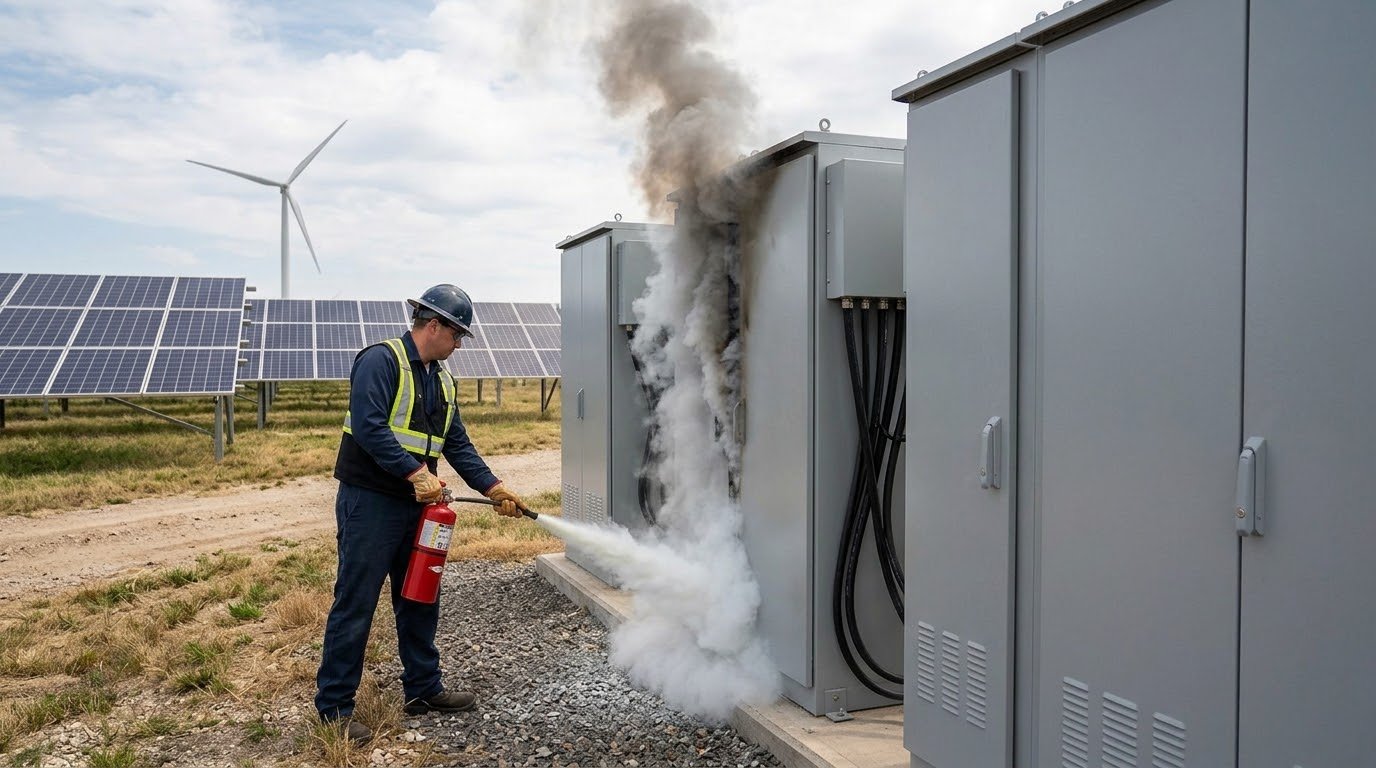
Renewable energy installations are becoming increasingly important as businesses and industries transition toward cleaner and more sustainable power sources. Solar photovoltaic (PV) systems, wind turbines, battery energy storage systems (BESS), and other renewable technologies offer significant environmental and economic benefits. However, these installations also introduce fire hazards that require careful planning, proper installation, and ongoing…
-
Fire Risks from Modern Battery Storage and E-Vehicles
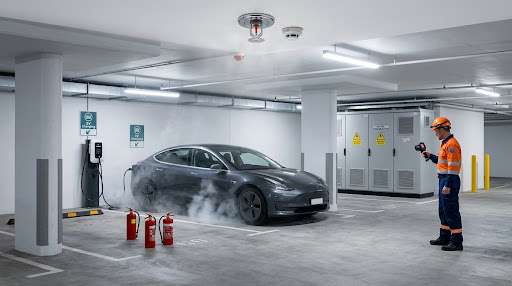
The rapid adoption of electric vehicles (EVs) and battery energy storage systems (BESS) is transforming how energy is stored, transported, and used. From electric cars and motorcycles to large-scale battery installations, these technologies offer significant environmental and operational benefits. However, they also introduce new fire risks that businesses, facility managers, and emergency response teams must…
-
How to Train Employees for Fire Evacuation in Complex Facilities
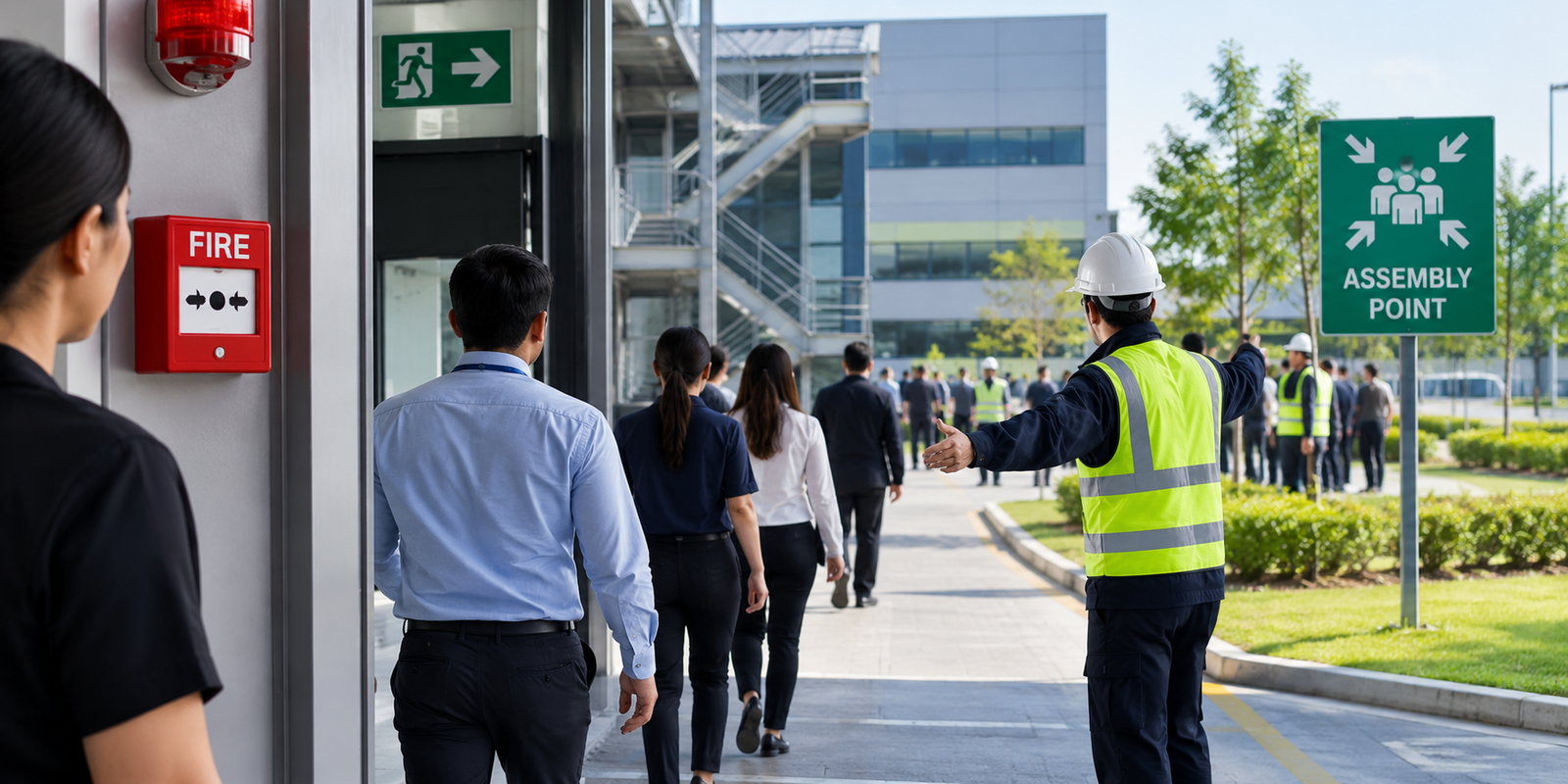
Fire evacuation may seem simple in a small office, but the process becomes much more challenging in complex facilities. Manufacturing plants, warehouses, hospitals, shopping centers, high-rise buildings, and large commercial properties can have multiple floors, interconnected areas, hazardous materials, heavy equipment, high occupant numbers, and complicated evacuation routes. Because of these challenges, employees need more…
-
Advanced Fire Extinguisher Handling Techniques for Staff
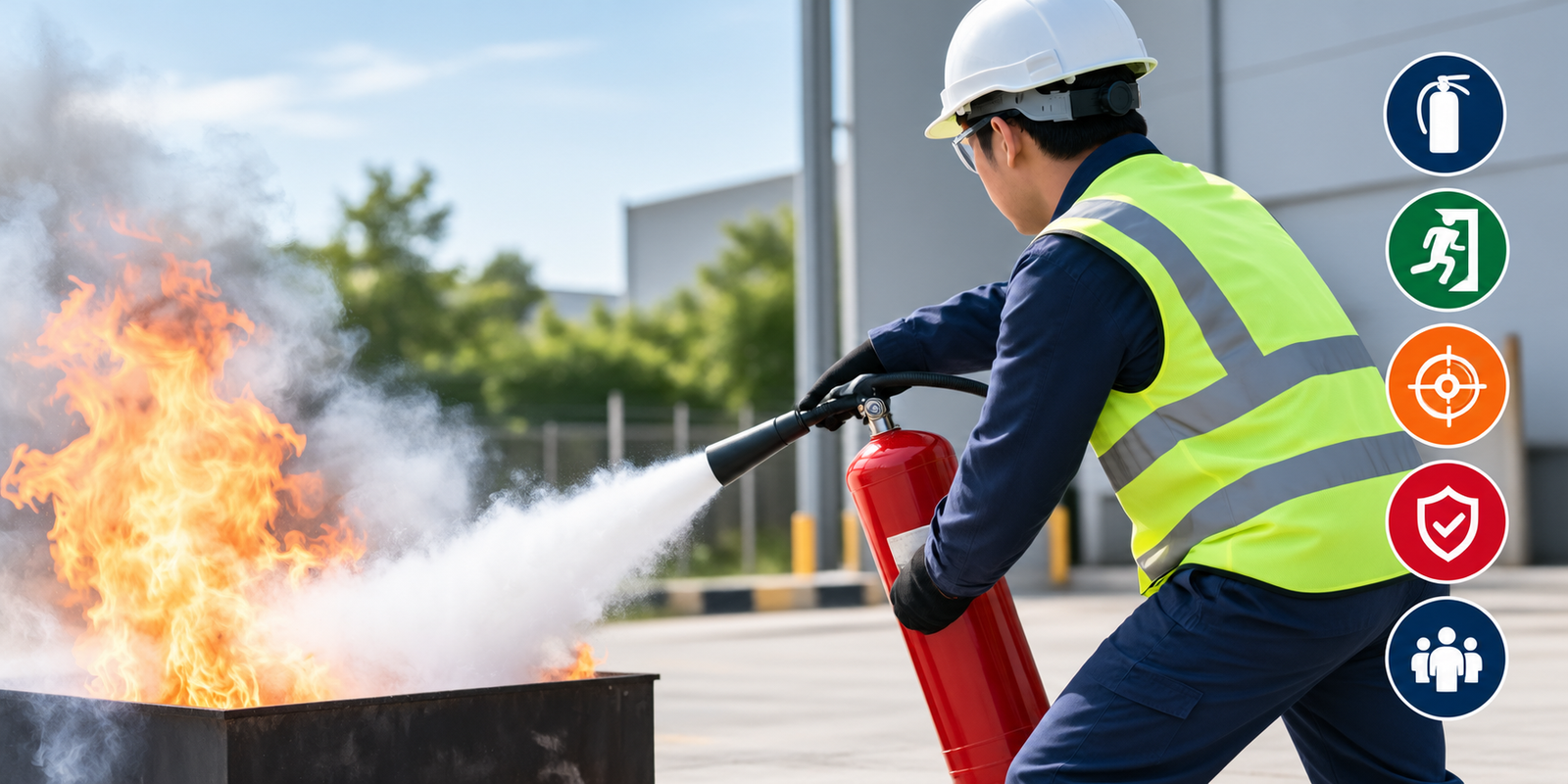
Knowing where a fire extinguisher is located is only the first step in workplace fire preparedness. In an actual emergency, staff must be able to recognize the type of fire, select an appropriate extinguisher, maintain a safe position, and operate the equipment effectively under pressure. Advanced extinguisher handling is not about encouraging employees to fight…
-
Simulated Fire Drills: Beyond the Basics
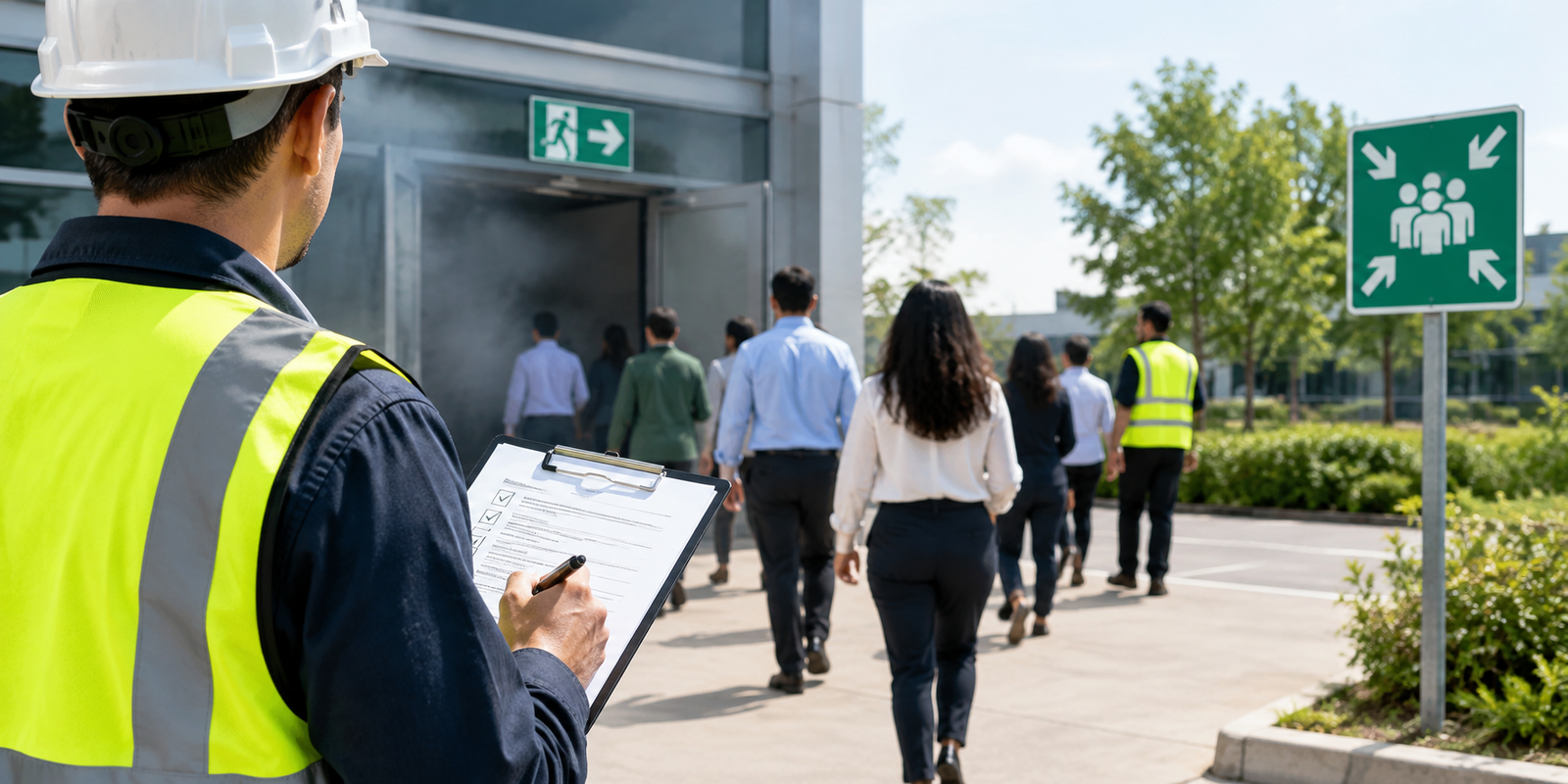
A fire drill is often treated as a routine safety requirement: an alarm sounds, employees leave the building, everyone gathers at the assembly point, and the drill is declared successful. But a real fire does not follow a script. Smoke can block familiar routes. Panic can slow decision-making. Emergency exits may become inaccessible, communication can…
-
Designing Fire Safety Training Programs That Stick
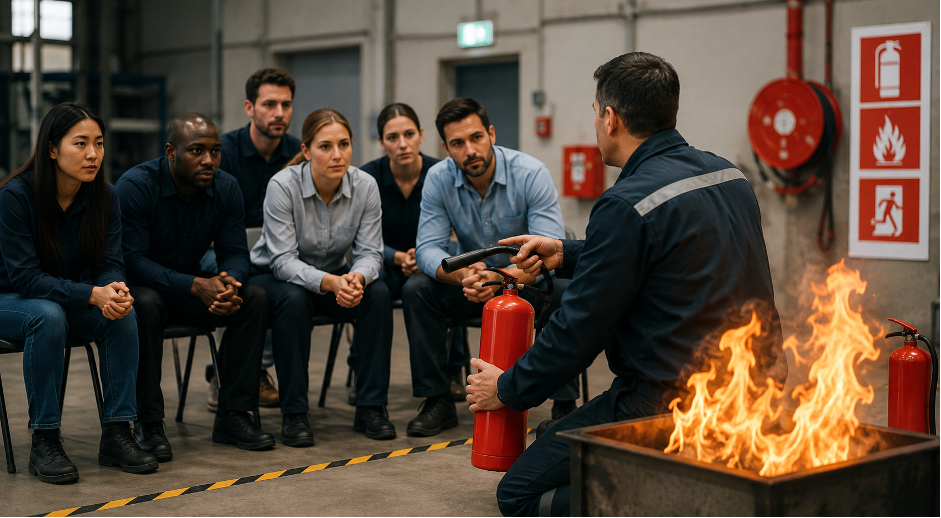
Fire safety training is essential in every workplace, but simply conducting a training session does not guarantee that employees will remember what they learned when an emergency occurs. In a real fire, people need to react quickly and confidently. This makes it important for organizations to design fire safety training programs that go beyond presentations…
-
Success Stories: Integrating Fire Safety with Smart Building Tech
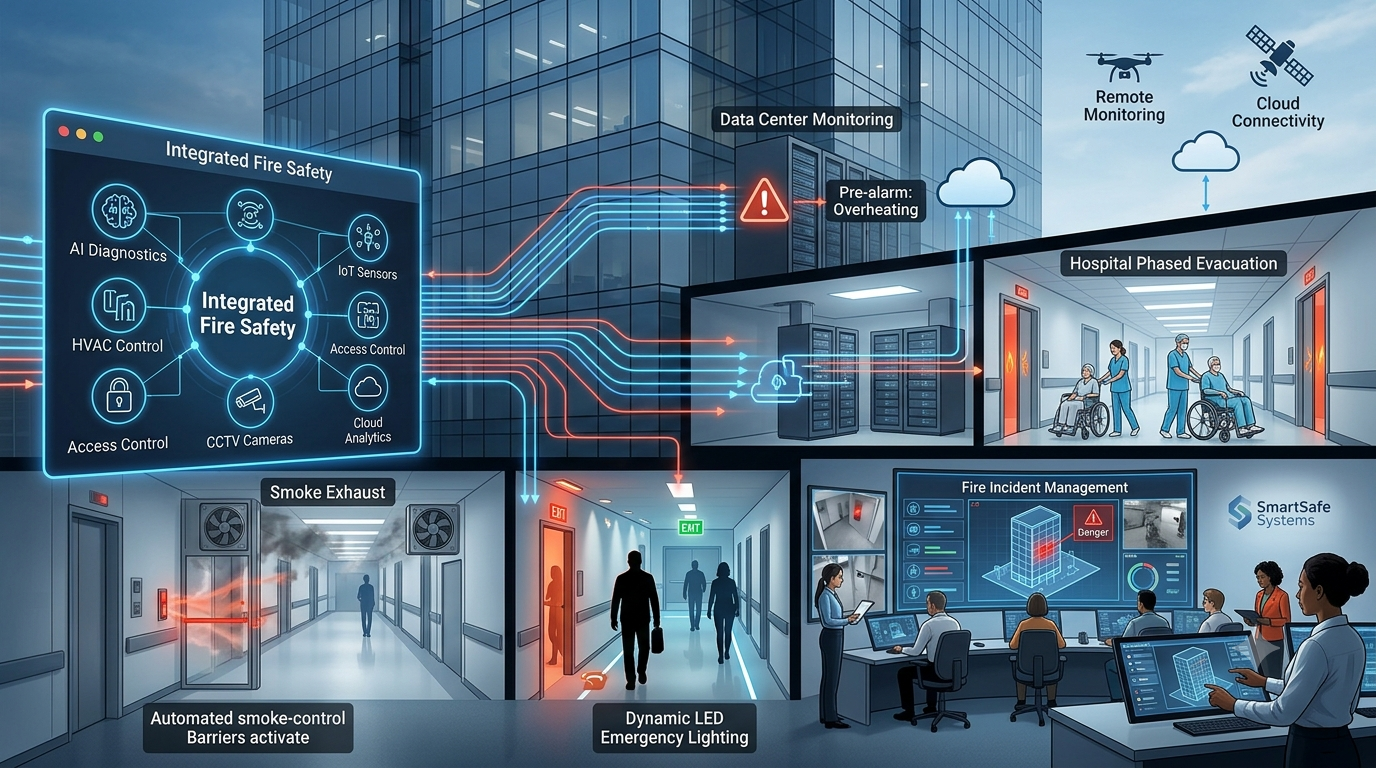
As buildings become increasingly connected through digital technologies, fire safety is undergoing a significant transformation. Traditional fire protection systems were primarily designed to detect, alert, and suppress fires as standalone solutions. While these systems remain essential, modern smart buildings are redefining how fire safety functions by integrating fire protection with intelligent building management systems (BMS),…
-
Adapting Fire Protection for Historical Buildings
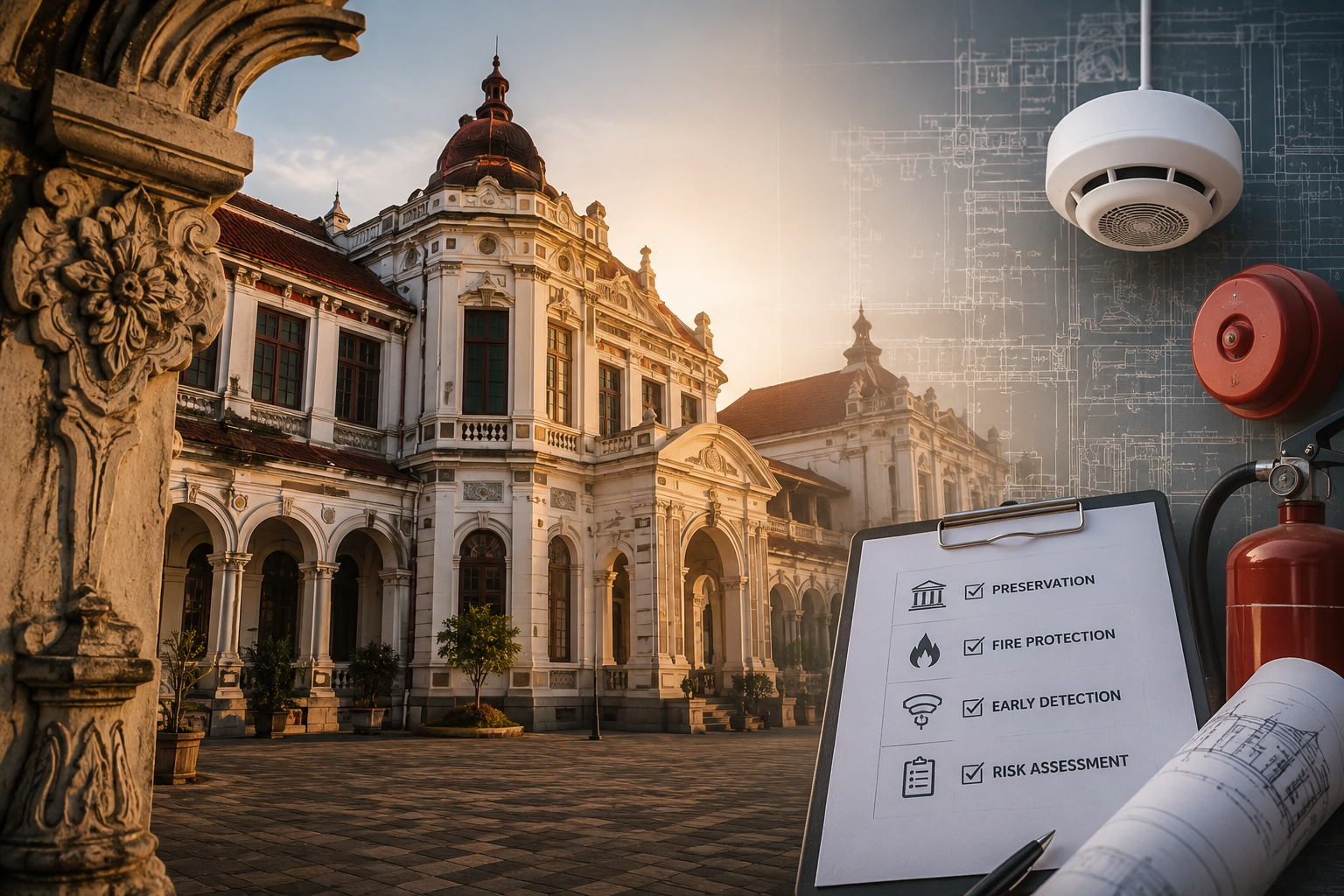
Historical buildings are irreplaceable cultural assets that reflect a nation’s architectural heritage, traditions, and identity. In Indonesia, centuries-old temples, colonial-era buildings, traditional palaces, mosques, churches, and heritage houses represent an important part of the country’s history. However, these buildings are often more vulnerable to fire than modern structures due to aging materials, outdated electrical systems,…
-
Lessons from Fire Incidents in Urban High-Rise Buildings
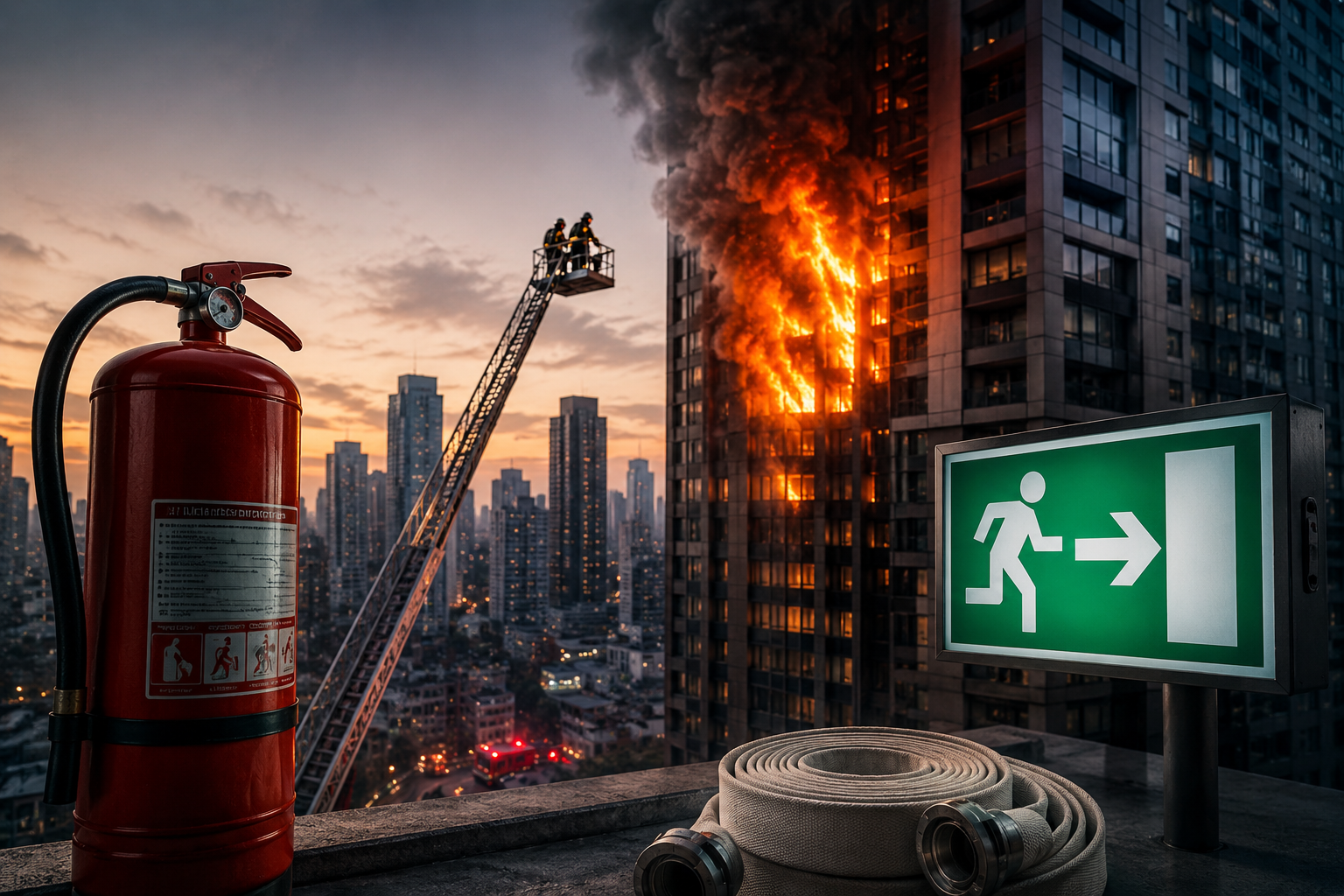
As cities continue to grow vertically, high-rise buildings have become an essential part of modern urban landscapes. From residential apartments and office towers to hotels and mixed-use developments, these structures accommodate thousands of people every day. While they offer numerous advantages, they also present unique fire safety challenges. Fire incidents in high-rise buildings have demonstrated…