-
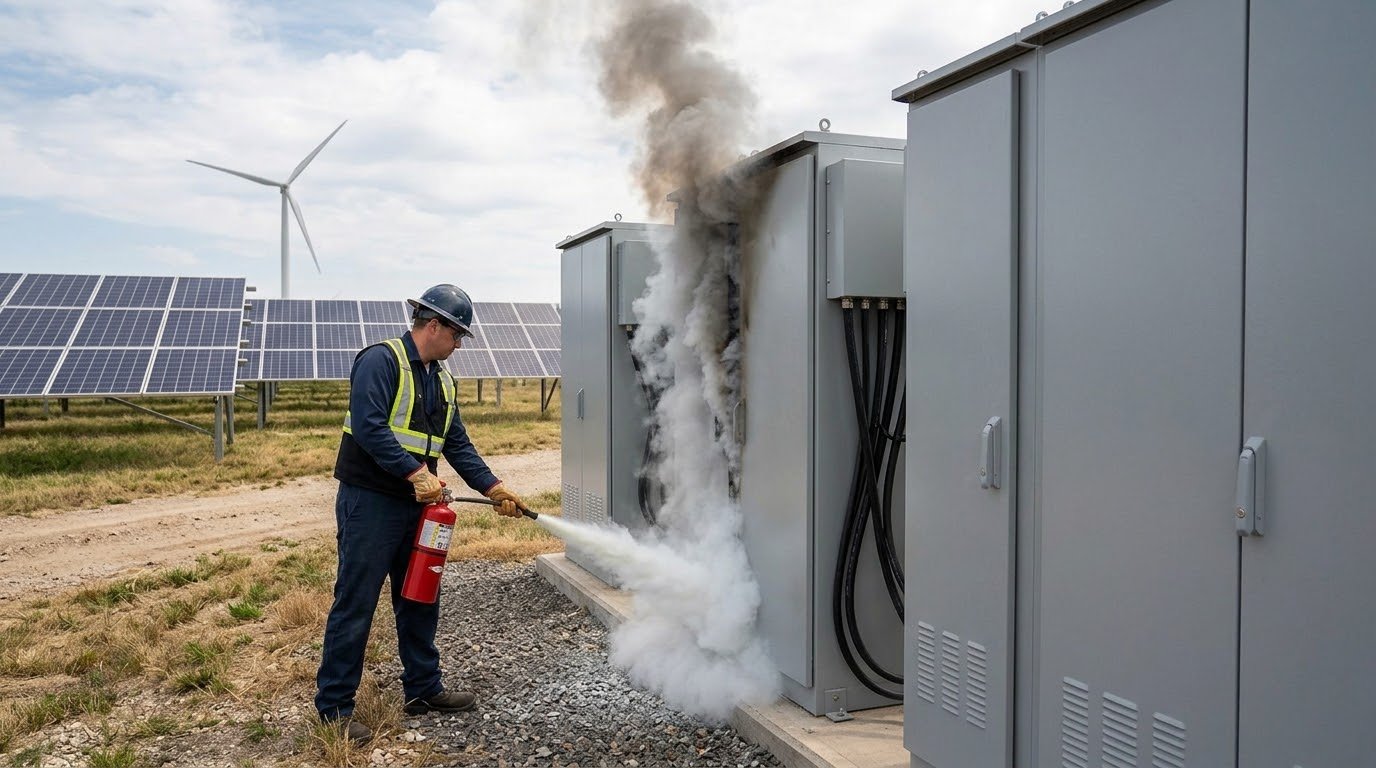
Addressing Fire Hazards in Renewable Energy Installations
Read more: Addressing Fire Hazards in Renewable Energy InstallationsRenewable energy installations are becoming increasingly important as businesses and industries transition toward cleaner and more sustainable power sources. Solar photovoltaic (PV) systems, wind turbines, battery energy storage systems (BESS),…
-
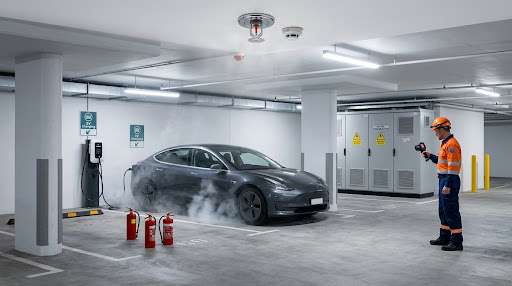
Fire Risks from Modern Battery Storage and E-Vehicles
Read more: Fire Risks from Modern Battery Storage and E-VehiclesThe rapid adoption of electric vehicles (EVs) and battery energy storage systems (BESS) is transforming how energy is stored, transported, and used. From electric cars and motorcycles to large-scale battery…
-
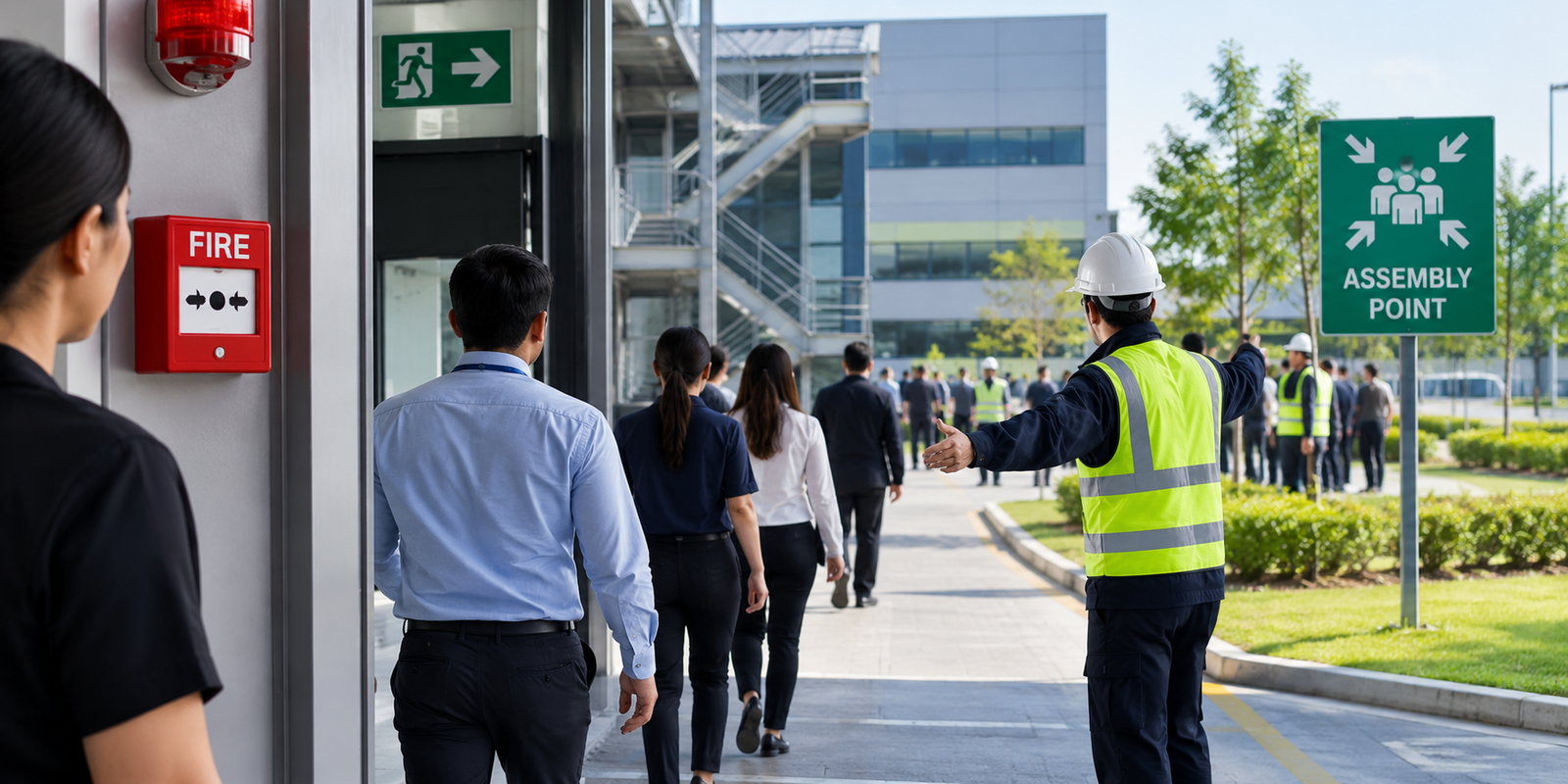
How to Train Employees for Fire Evacuation in Complex Facilities
Read more: How to Train Employees for Fire Evacuation in Complex FacilitiesFire evacuation may seem simple in a small office, but the process becomes much more challenging in complex facilities. Manufacturing plants, warehouses, hospitals, shopping centers, high-rise buildings, and large commercial…
-
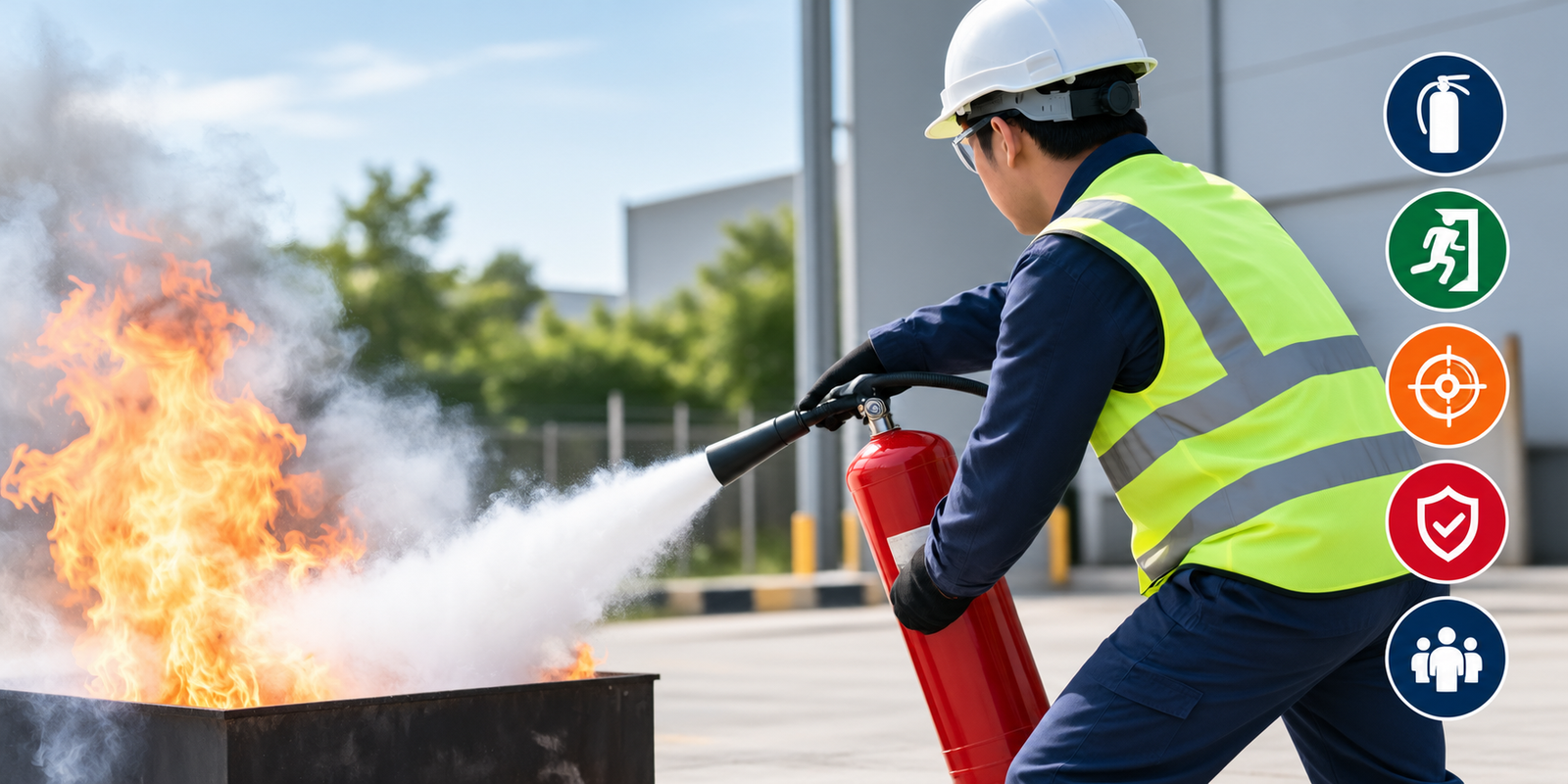
Advanced Fire Extinguisher Handling Techniques for Staff
Read more: Advanced Fire Extinguisher Handling Techniques for StaffKnowing where a fire extinguisher is located is only the first step in workplace fire preparedness. In an actual emergency, staff must be able to recognize the type of fire,…
-
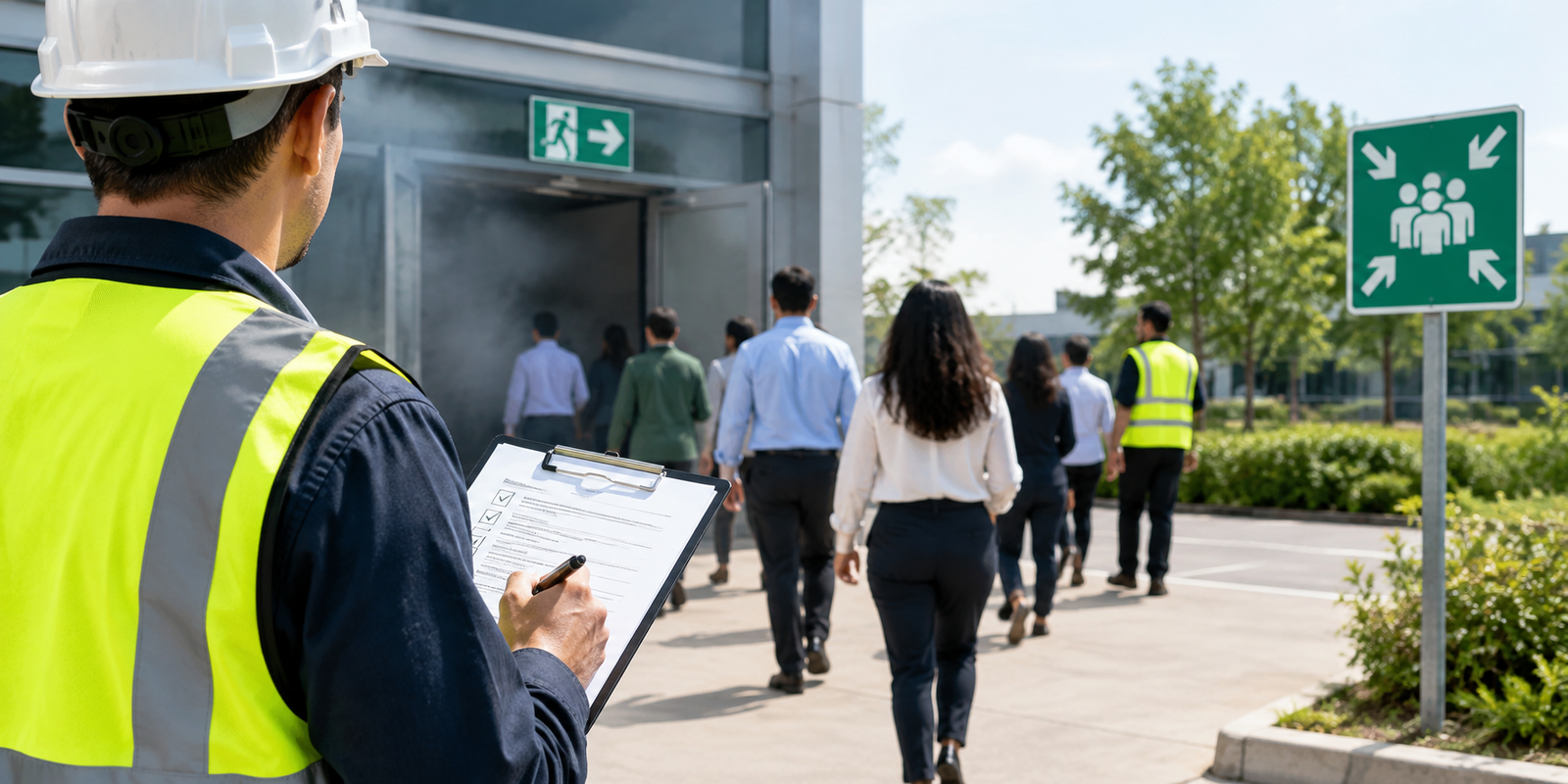
Simulated Fire Drills: Beyond the Basics
Read more: Simulated Fire Drills: Beyond the BasicsA fire drill is often treated as a routine safety requirement: an alarm sounds, employees leave the building, everyone gathers at the assembly point, and the drill is declared successful.…
-
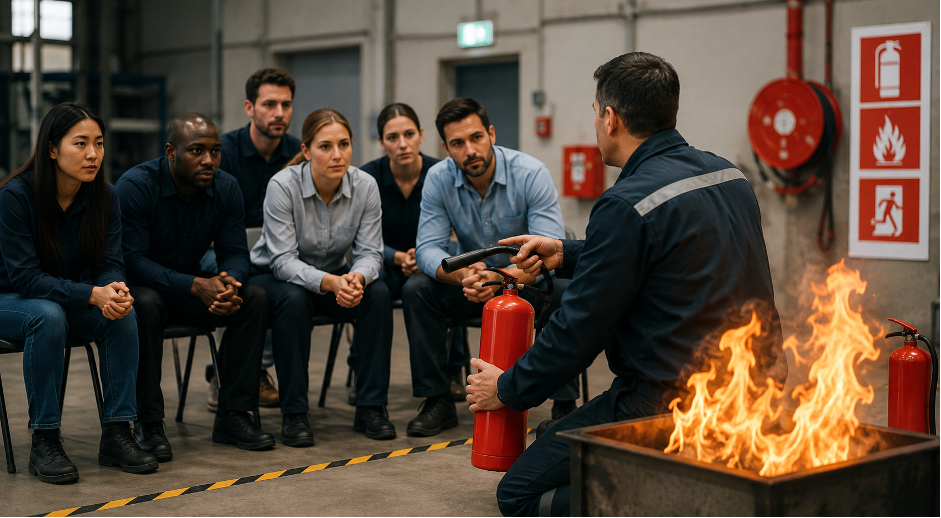
Designing Fire Safety Training Programs That Stick
Read more: Designing Fire Safety Training Programs That StickFire safety training is essential in every workplace, but simply conducting a training session does not guarantee that employees will remember what they learned when an emergency occurs. In a…
-
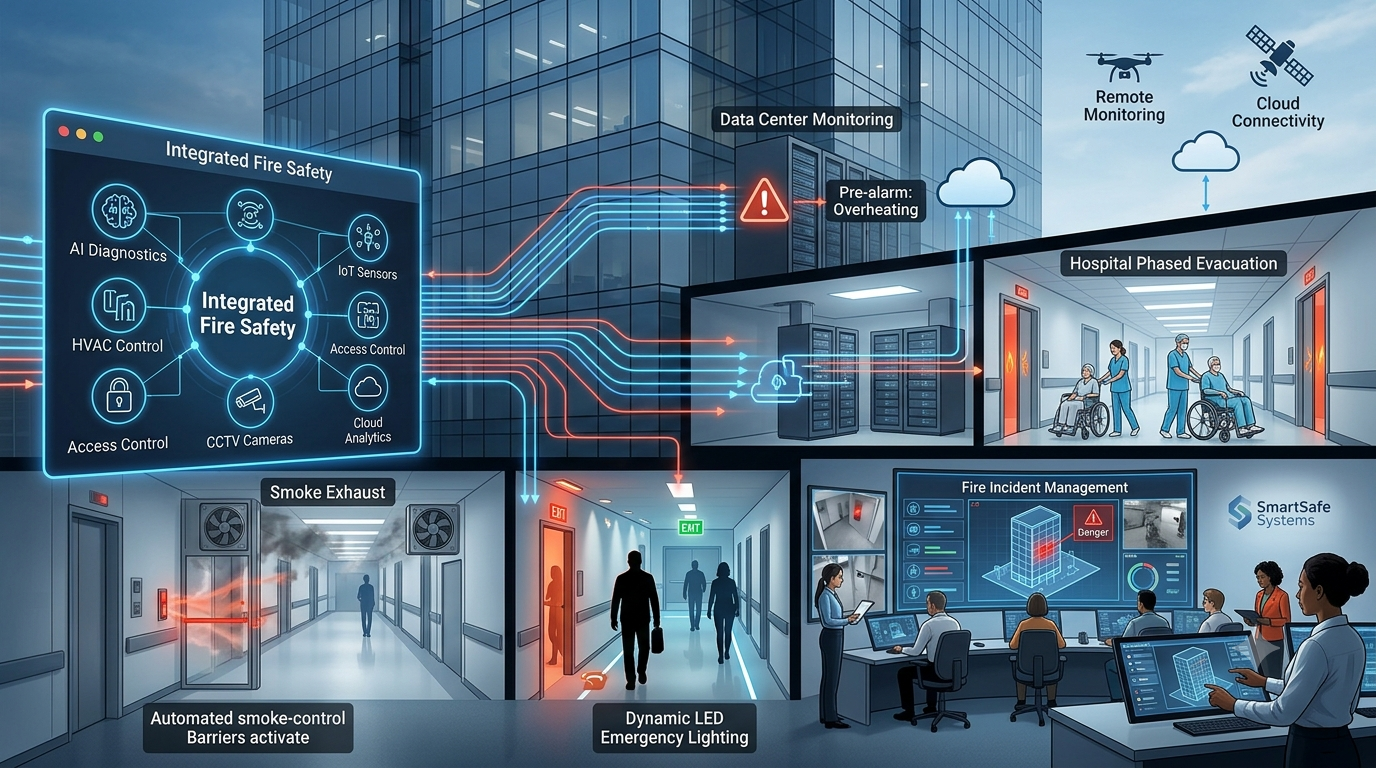
Success Stories: Integrating Fire Safety with Smart Building Tech
Read more: Success Stories: Integrating Fire Safety with Smart Building TechAs buildings become increasingly connected through digital technologies, fire safety is undergoing a significant transformation. Traditional fire protection systems were primarily designed to detect, alert, and suppress fires as standalone…
-

Adapting Fire Protection for Historical Buildings
Read more: Adapting Fire Protection for Historical BuildingsHistorical buildings are irreplaceable cultural assets that reflect a nation’s architectural heritage, traditions, and identity. In Indonesia, centuries-old temples, colonial-era buildings, traditional palaces, mosques, churches, and heritage houses represent an…
-
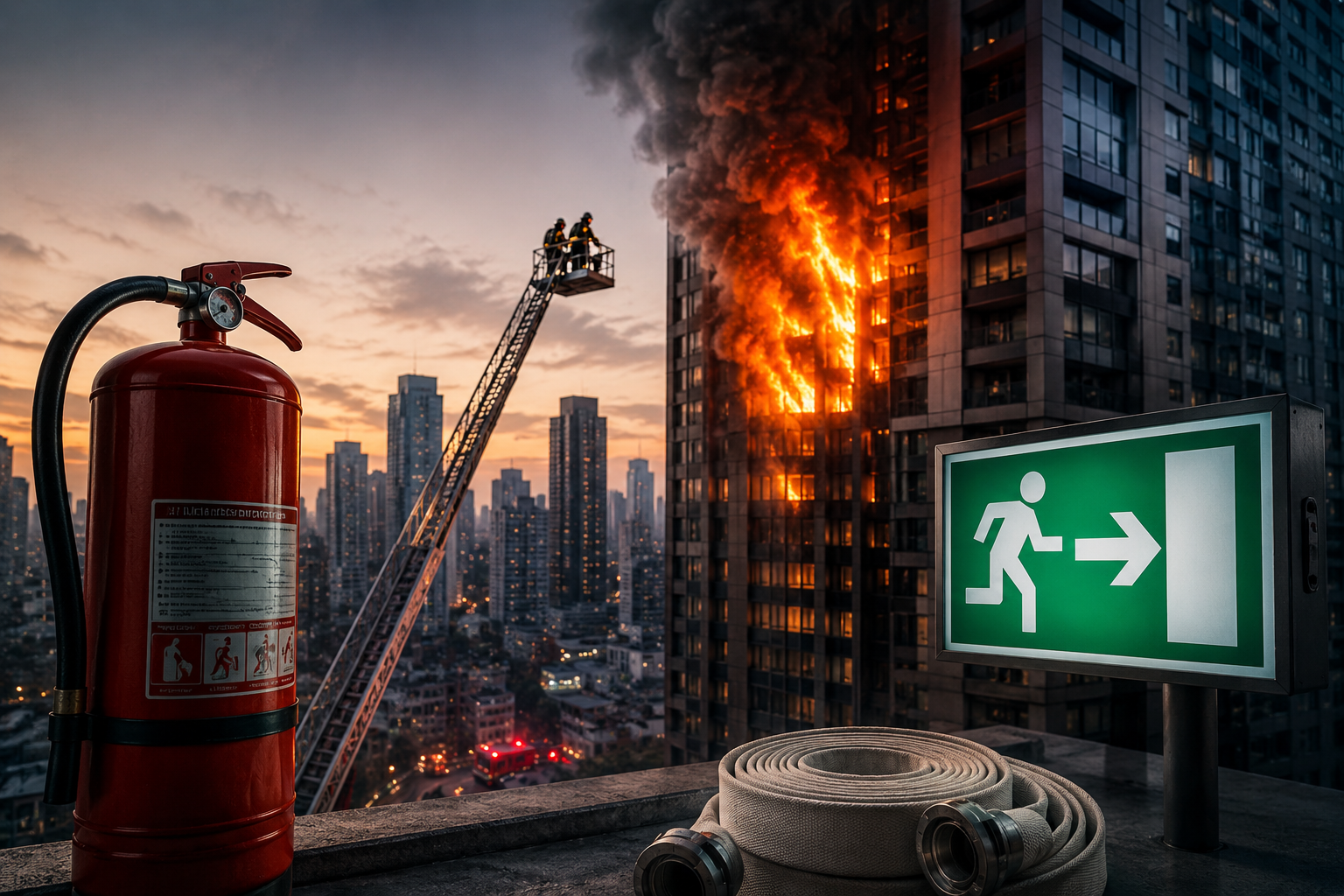
Lessons from Fire Incidents in Urban High-Rise Buildings
Read more: Lessons from Fire Incidents in Urban High-Rise BuildingsAs cities continue to grow vertically, high-rise buildings have become an essential part of modern urban landscapes. From residential apartments and office towers to hotels and mixed-use developments, these structures…
-
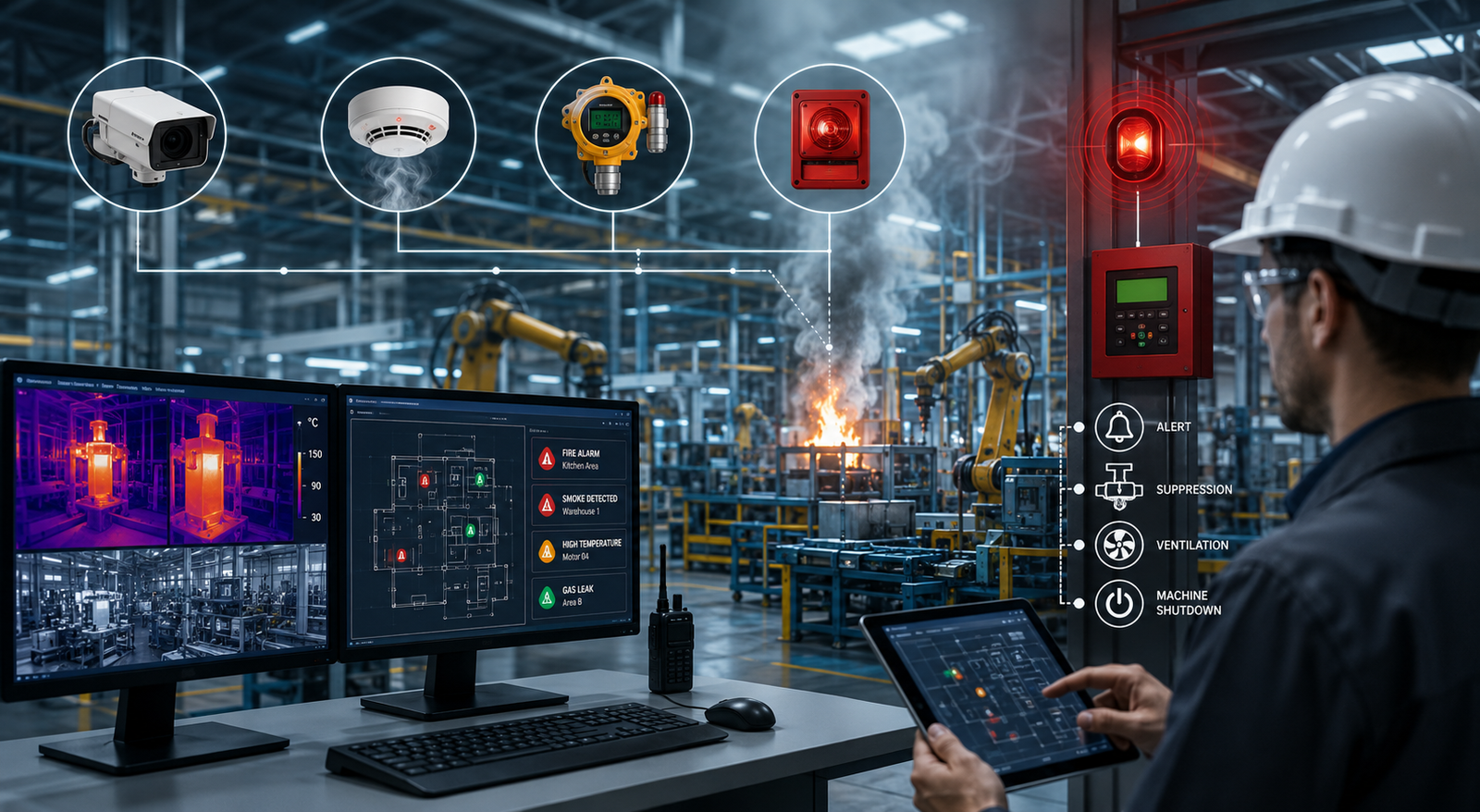
How Early Detection Systems Prevented Disaster in Manufacturing Plants
Read more: How Early Detection Systems Prevented Disaster in Manufacturing Plantsplants are complex environments where machinery, electrical systems, combustible materials, and high-temperature processes operate continuously. While these facilities drive industrial productivity, they also face significant fire risks that can lead…
-
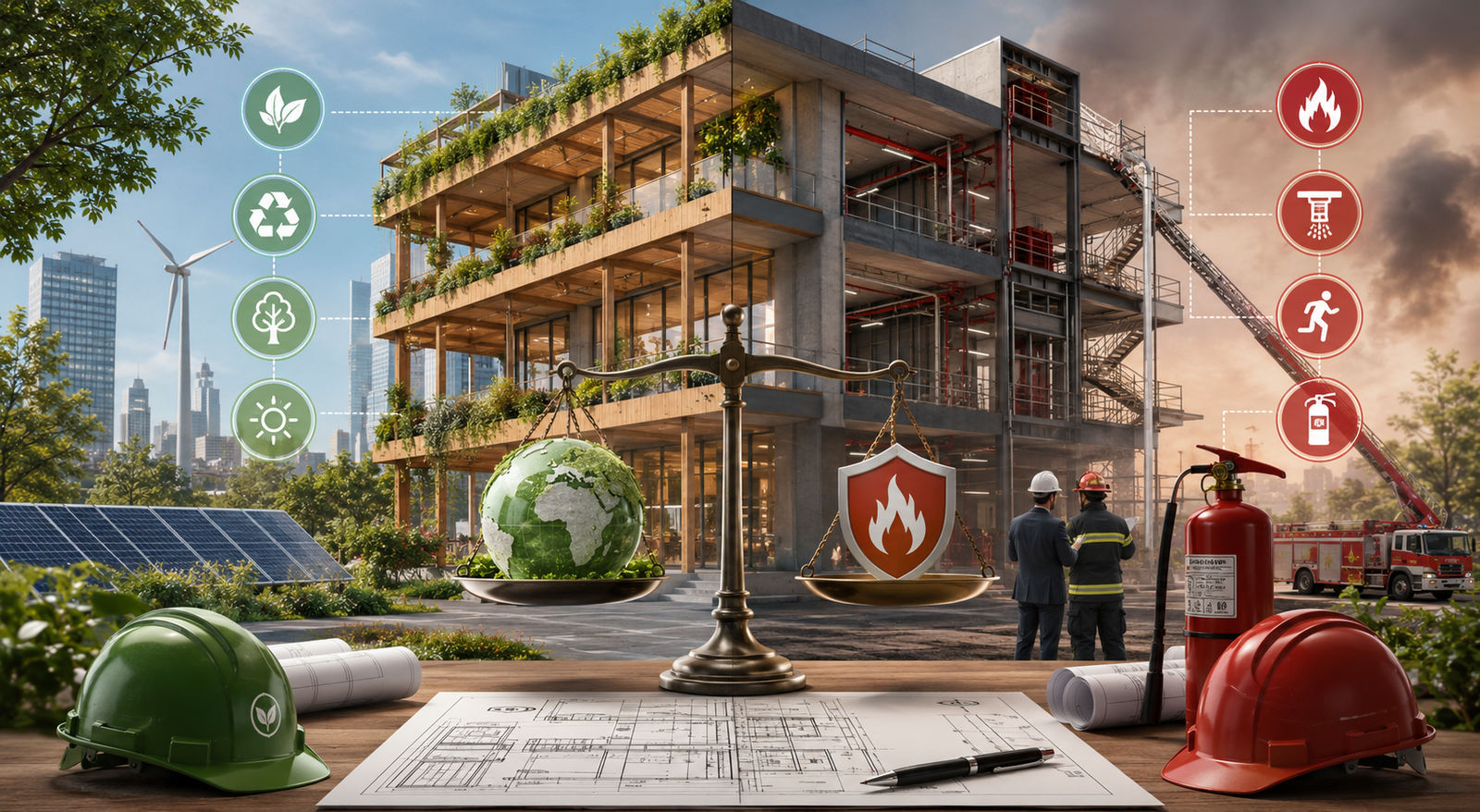
Balancing Sustainability Goals with Fire Safety Regulations
Read more: Balancing Sustainability Goals with Fire Safety RegulationsSustainability and fire safety are both essential pillars of modern building design and urban development. One focuses on reducing environmental impact and improving energy efficiency, while the other prioritizes protecting…
-
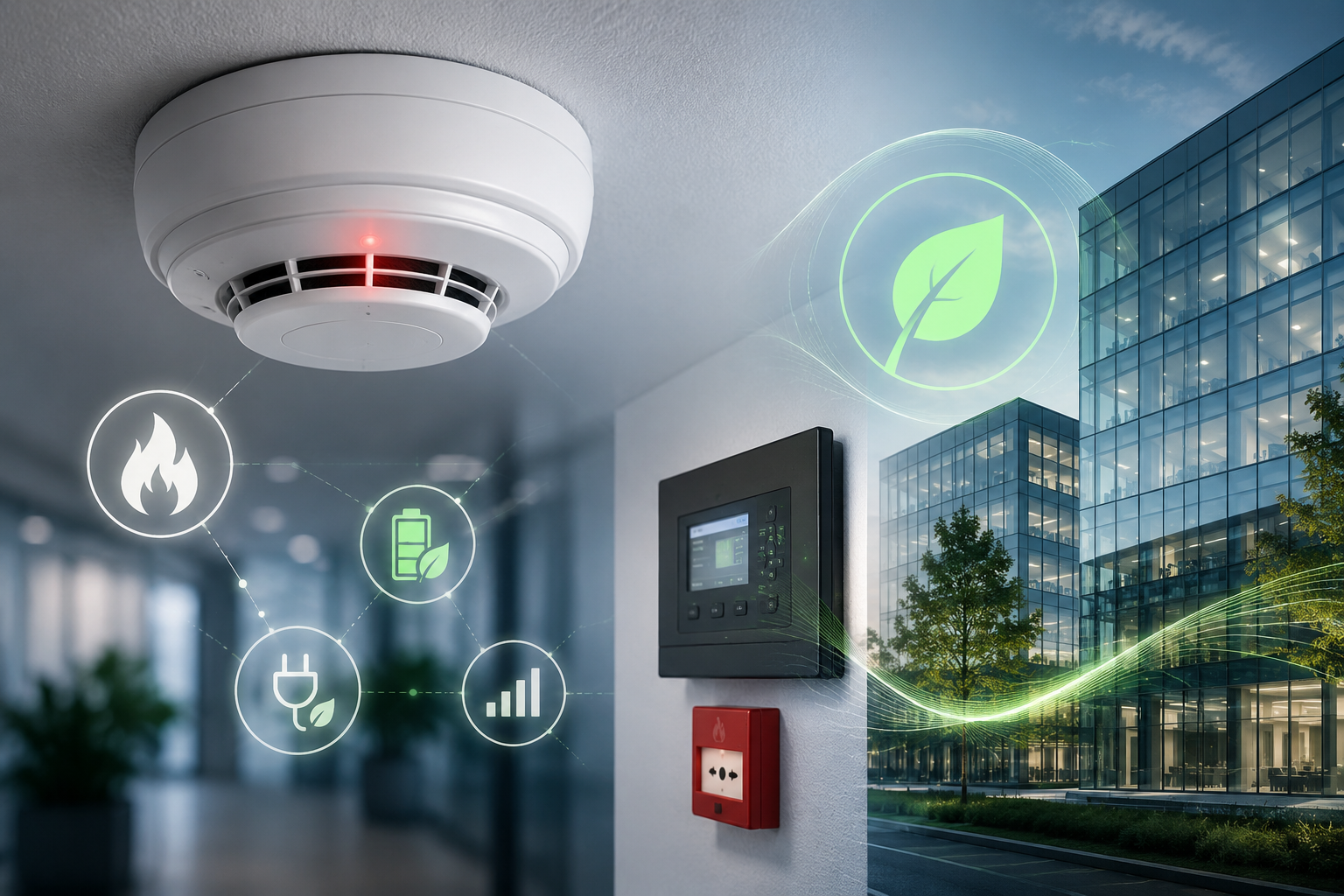
The Rise of Energy-Efficient Fire Detection Systems
Read more: The Rise of Energy-Efficient Fire Detection SystemsFire detection systems are essential for protecting lives, property, and business operations. Traditionally, the focus of these systems has been on providing fast and reliable fire alerts. However, as sustainability…
-

Reducing Water Usage in Sprinkler Systems Without Compromising Safety
Read more: Reducing Water Usage in Sprinkler Systems Without Compromising SafetyFire sprinkler systems are among the most effective fire protection measures available today. They help control or extinguish fires during their early stages, protecting lives, property, and business continuity. However,…
-

Eco-Conscious Materials in Fire Safety Equipment
Read more: Eco-Conscious Materials in Fire Safety EquipmentFire safety equipment is essential for protecting lives, buildings, and critical infrastructure from fire-related hazards. However, the production of traditional fire safety products often relies on resource-intensive materials such as…
-
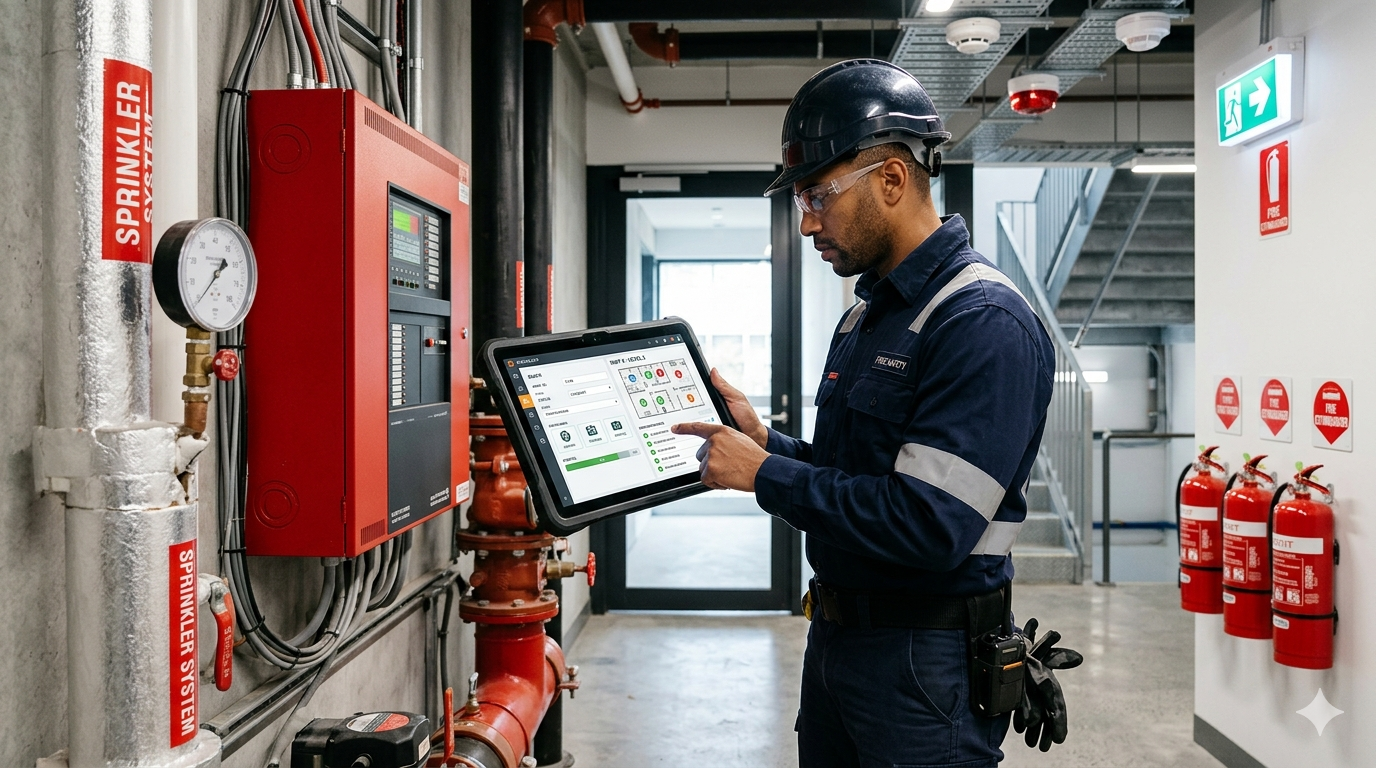
How Digital Audits are Changing Fire Safety Inspections
Read more: How Digital Audits are Changing Fire Safety InspectionsFor decades, fire safety inspections followed a predictable, paper-heavy rhythm. An inspector would walk through a facility with a clipboard, check off physical lists, manually log the expiration dates of…
