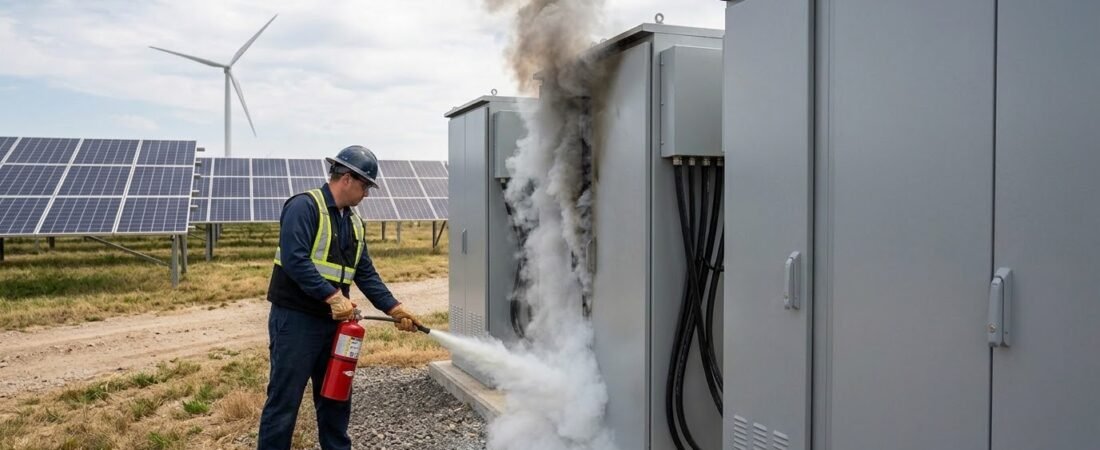
Renewable energy installations are becoming increasingly important as businesses and industries transition toward cleaner and more sustainable power sources. Solar photovoltaic (PV) systems, wind turbines, battery energy storage systems (BESS), and other renewable technologies offer significant environmental and economic benefits. However, these installations also introduce fire hazards that require careful planning, proper installation, and ongoing maintenance.
As renewable energy infrastructure continues to expand, fire safety must remain a priority. Understanding the potential risks and implementing effective prevention measures can help protect workers, facilities, equipment, and the surrounding environment.
Understanding Fire Hazards in Renewable Energy Systems
Different renewable energy technologies present different fire risks. In solar PV installations, electrical faults are among the primary concerns. Damaged cables, loose electrical connections, defective components, and poorly installed connectors can generate excessive heat and electrical arcing, potentially igniting nearby materials. In addition, photovoltaic panels can continue generating electricity when exposed to sunlight, making emergency response more complicated even after the main power supply has been disconnected.
Battery energy storage systems present another significant concern. Lithium-ion batteries, commonly used to store renewable energy, can experience thermal runaway when damaged, improperly charged, exposed to excessive heat, or affected by internal defects. This process can cause rapid temperature increases, release flammable gases, and lead to intense fires that are difficult to extinguish. In certain circumstances, damaged battery cells may reignite after the initial fire appears to be under control.
Wind energy installations also require specific fire protection considerations. Electrical failures, overheating components, mechanical friction, and lightning strikes can create ignition sources within turbines. Because turbine nacelles are located at considerable heights and may contain hydraulic fluids, lubricants, and other combustible materials, a fire can be difficult for emergency responders to access.
These risks demonstrate why fire protection strategies must be tailored to the specific renewable energy technology, installation design, and operating environment.
Common Causes of Fire in Renewable Energy Installations
Electrical system failures are a recurring concern across renewable energy facilities. Improper wiring, insufficient insulation, damaged equipment, and inadequate electrical protection can create conditions that lead to overheating or arcing. Installation errors and the use of incompatible components may further increase these risks.
Environmental conditions can also contribute to fire hazards. High temperatures, moisture, dust accumulation, corrosion, and lightning exposure can gradually compromise electrical connections and equipment performance. In outdoor installations, these factors can accelerate component deterioration if inspection and maintenance are neglected.
In battery storage facilities, inadequate ventilation, insufficient thermal management, and improper battery charging can increase the likelihood of overheating. Poor separation between battery units may also allow a fire to spread from one unit to another.
Human error is another important factor. Maintenance activities performed without proper isolation procedures, unauthorized modifications, and inadequate worker training can introduce avoidable hazards. Without clear operating procedures and effective supervision, even well-designed installations may become vulnerable to fire incidents.
Implementing Effective Fire Prevention Measures
Preventing fires begins with proper system design and the selection of suitable equipment. Renewable energy installations should comply with applicable electrical codes, fire safety requirements, manufacturer recommendations, and relevant industry standards. Qualified professionals should carry out installation and commissioning to ensure that electrical connections, protective devices, and system components function correctly.
For solar PV systems, regular inspections should focus on cables, connectors, inverters, junction boxes, and other electrical components. Infrared thermography can help identify abnormal heat patterns that may indicate loose connections or developing electrical faults. Damaged components should be repaired or replaced promptly to prevent minor defects from escalating into serious incidents.
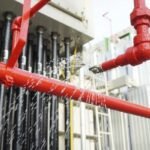
Battery energy storage facilities require additional safeguards, including appropriate temperature monitoring, battery management systems, ventilation, and detection of abnormal operating conditions. Where necessary, installations should incorporate suitable fire detection, gas detection, and suppression arrangements based on the battery chemistry, system design, and applicable fire protection standards. Adequate spacing and fire-resistant separation can also help limit the spread of fire between equipment units.
For wind turbines, preventive maintenance should include inspections of electrical systems, braking mechanisms, lubrication systems, and other components that may generate excessive heat. Lightning protection and grounding systems should also be maintained to reduce the risk of electrical damage and ignition.
Across all renewable energy installations, housekeeping is equally important. Combustible waste should be removed, access routes should remain unobstructed, and electrical rooms should be kept clean and properly maintained. These basic practices support a safer operating environment and improve emergency response readiness.
Strengthening Fire Detection and Emergency Preparedness
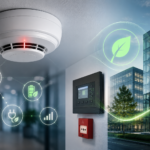
Early detection is essential for reducing the consequences of a fire. Depending on the installation, suitable protection may include smoke detectors, heat detectors, flame detectors, electrical monitoring systems, and battery-specific gas detection. These systems should be selected according to the identified hazards and installed in locations where they can provide effective warning.
Emergency response procedures must also account for the unique characteristics of renewable energy equipment. Workers should understand how to raise the alarm, evacuate safely, isolate equipment when authorized, and communicate relevant information to emergency responders. Procedures must clearly identify electrical hazards that may remain present after shutdown, particularly in solar PV systems and battery installations.
Fire extinguishers and other firefighting equipment should be selected according to the anticipated fire hazards. Electrical equipment and battery fires require particular care because inappropriate extinguishing agents or response methods may create additional risks. Battery fires can also involve toxic gases, prolonged burning, and reignition, making specialist assessment and coordinated emergency response essential.
Regular emergency drills help workers become familiar with evacuation routes, assembly points, communication procedures, and their assigned responsibilities. Facilities should coordinate with local fire services where appropriate, providing information about system layouts, electrical isolation points, battery locations, and other hazards that may affect firefighting operations.
The Importance of Inspection, Maintenance, and Training
Fire safety does not end once a renewable energy installation becomes operational. Scheduled inspections and preventive maintenance are necessary to identify deterioration, electrical defects, overheating, and other warning signs before they develop into emergencies.
Maintenance records should document inspections, detected faults, corrective actions, and equipment replacements. Any significant system modification should undergo an appropriate safety review to ensure that existing fire protection measures remain effective.
Worker training is equally important. Employees, technicians, and contractors should understand the specific hazards associated with the equipment they operate or maintain. Training should cover electrical safety, safe work procedures, hazard reporting, emergency evacuation, and the limitations of portable firefighting equipment.
A strong safety culture encourages workers to report unusual odors, abnormal temperatures, visible damage, warning alarms, and other signs of potential failure without delay. Addressing these warning signs early can reduce the likelihood of serious incidents and costly operational disruptions.
Conclusion
Renewable energy installations play an essential role in building a more sustainable future, but their fire hazards must be managed with the same level of attention given to their performance and efficiency. Electrical faults, battery thermal runaway, mechanical overheating, environmental exposure, and human error can all contribute to fire incidents if appropriate safeguards are not in place.
By combining sound system design, reliable fire detection, suitable protection measures, routine maintenance, and comprehensive employee training, organizations can significantly improve fire safety across renewable energy facilities.
Ultimately, integrating fire protection into every stage of a renewable energy installation—from planning and construction to daily operation and maintenance—helps safeguard people, protect valuable infrastructure, and support the long-term reliability of clean energy systems.