
Latest posts
-
How Early Detection Systems Prevented Disaster in Manufacturing Plants
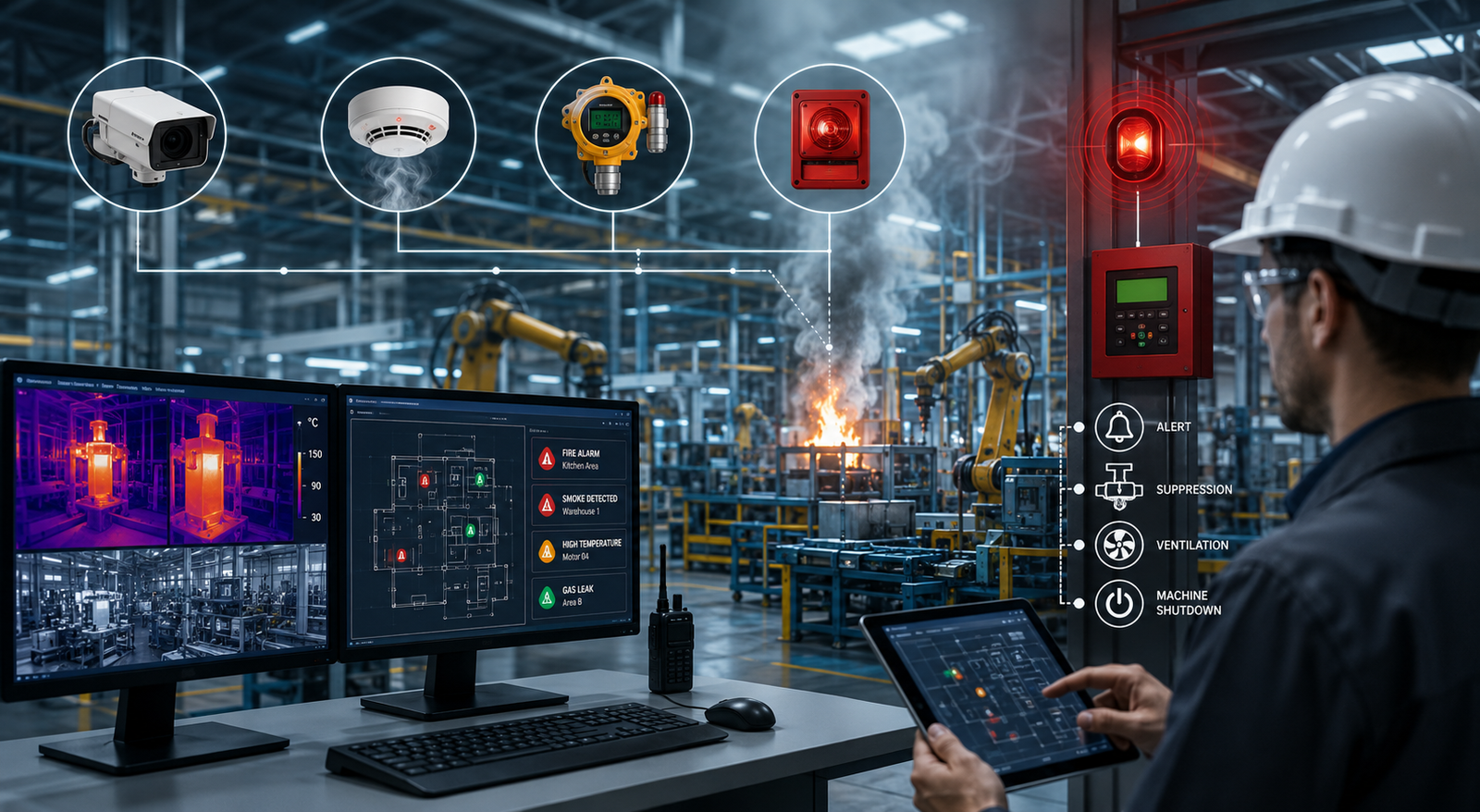
plants are complex environments where machinery, electrical systems, combustible materials, and high-temperature processes operate continuously. While these facilities drive industrial productivity, they also face significant fire risks that can lead to equipment damage, production downtime, financial losses, and, most importantly, threats to employee safety. Fortunately, advancements in early detection technology have dramatically improved the ability…
-
Balancing Sustainability Goals with Fire Safety Regulations
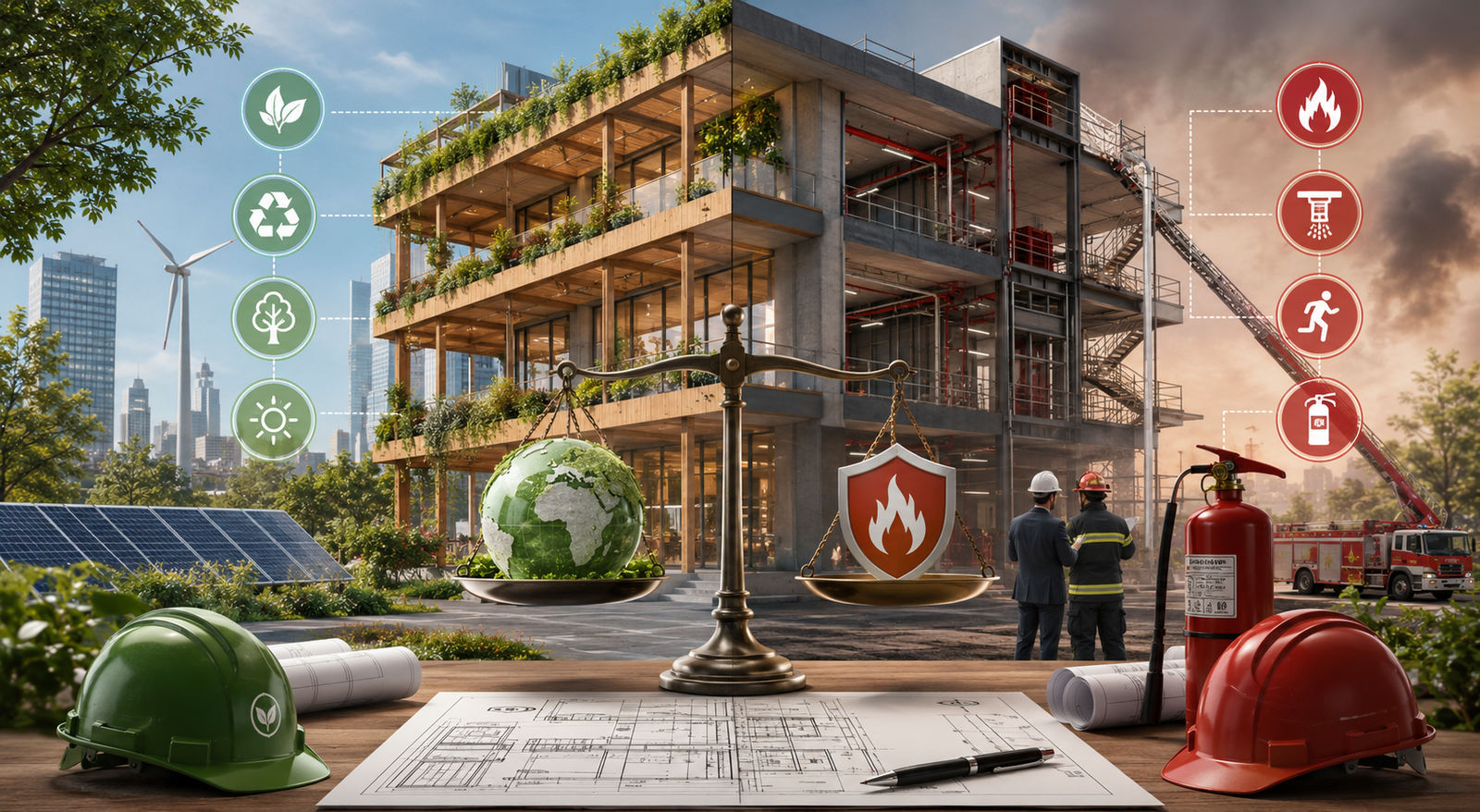
Sustainability and fire safety are both essential pillars of modern building design and urban development. One focuses on reducing environmental impact and improving energy efficiency, while the other prioritizes protecting lives, property, and infrastructure from fire hazards. The challenge is that these goals can sometimes conflict, requiring careful coordination between designers, regulators, and engineers. …
-
The Rise of Energy-Efficient Fire Detection Systems
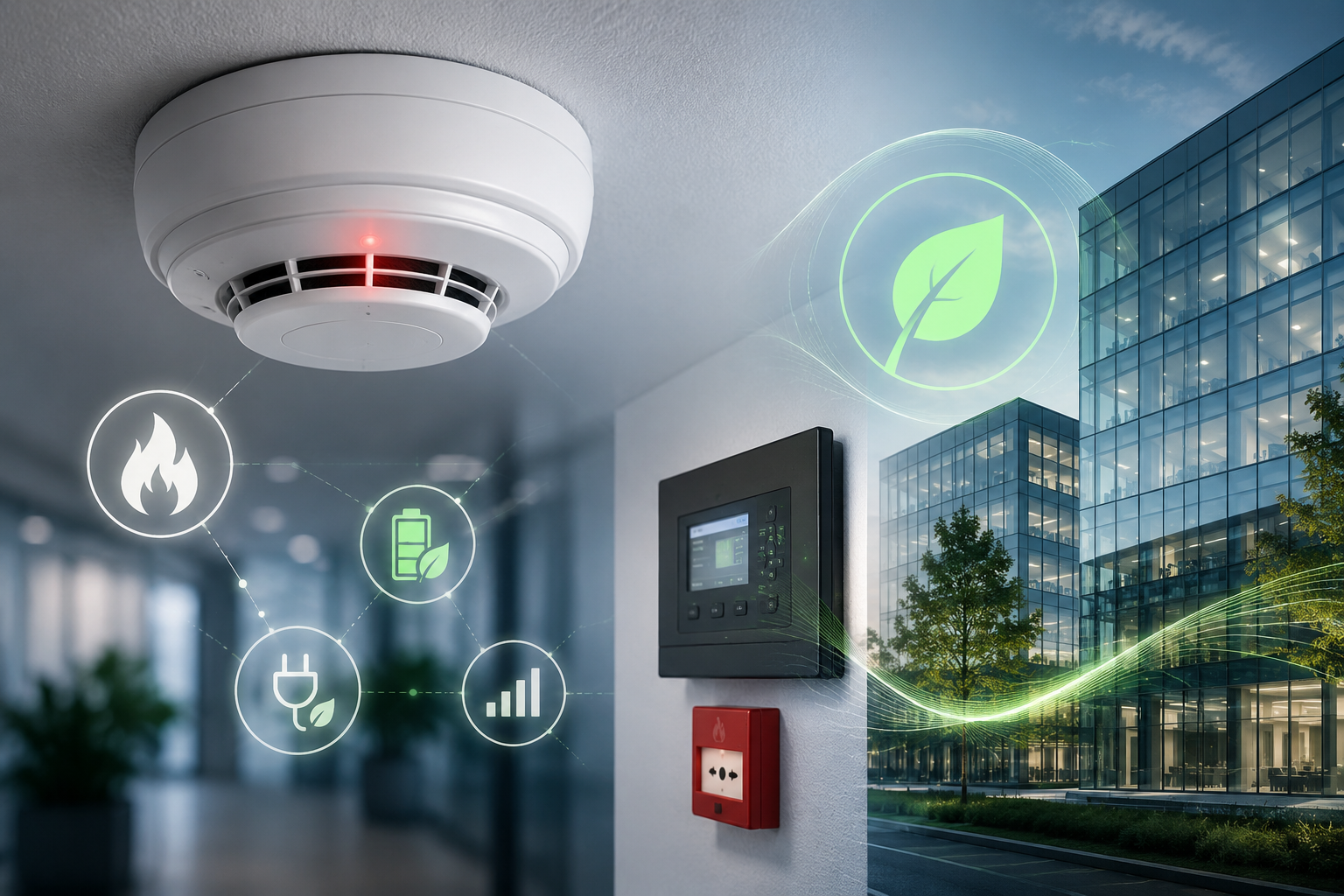
Fire detection systems are essential for protecting lives, property, and business operations. Traditionally, the focus of these systems has been on providing fast and reliable fire alerts. However, as sustainability becomes a priority for businesses and building owners, energy efficiency is emerging as an important consideration in fire safety design. Modern buildings are increasingly expected…
-
Reducing Water Usage in Sprinkler Systems Without Compromising Safety

Fire sprinkler systems are among the most effective fire protection measures available today. They help control or extinguish fires during their early stages, protecting lives, property, and business continuity. However, as organizations place greater emphasis on sustainability and resource conservation, reducing water consumption has become an important consideration in fire protection design and operation.The challenge…
-
Eco-Conscious Materials in Fire Safety Equipment
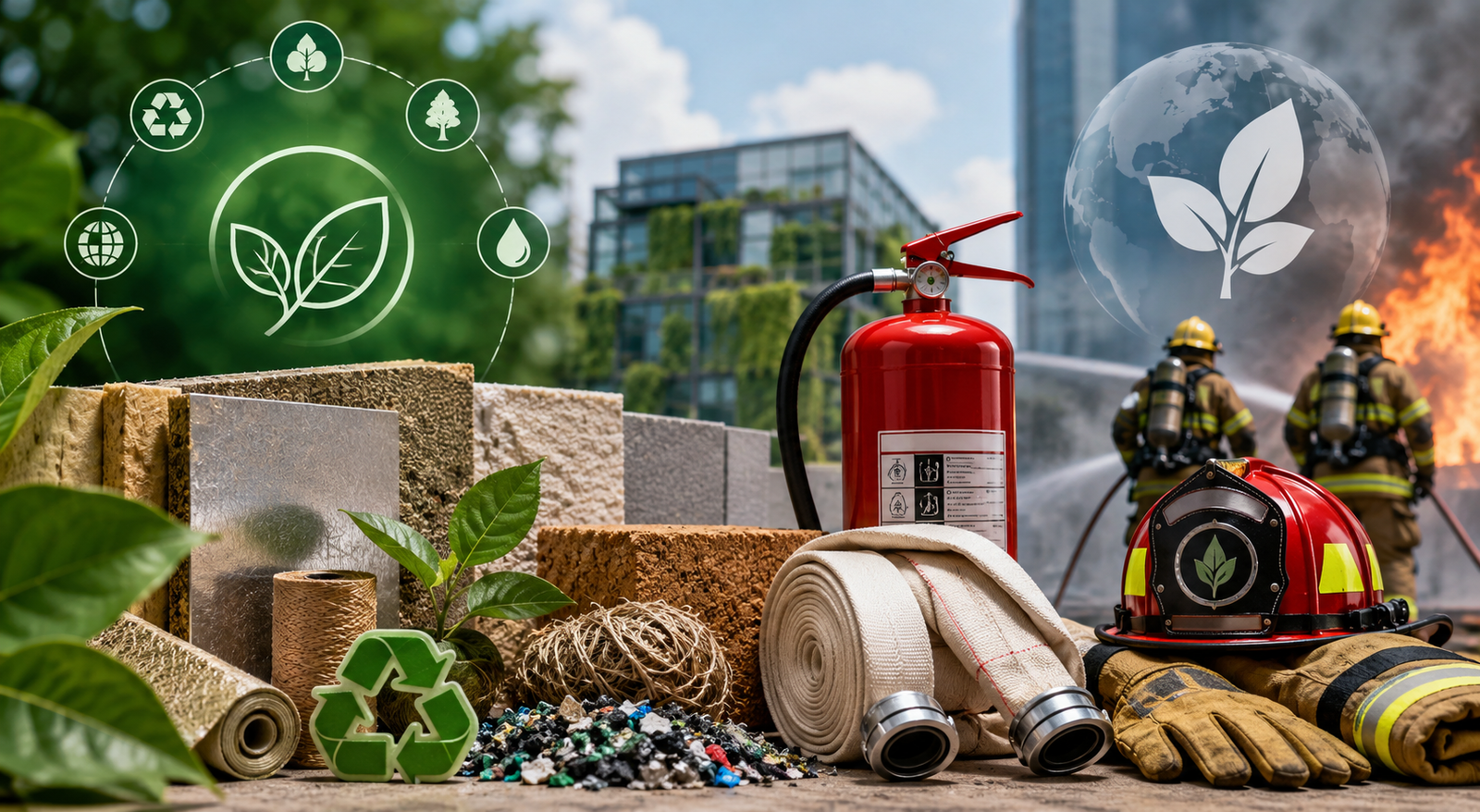
Fire safety equipment is essential for protecting lives, buildings, and critical infrastructure from fire-related hazards. However, the production of traditional fire safety products often relies on resource-intensive materials such as synthetic plastics, chemical-based flame retardants, and energy-heavy manufacturing processes. As sustainability becomes a growing priority across industries, manufacturers are increasingly exploring eco-conscious materials that can…
-
How Digital Audits are Changing Fire Safety Inspections
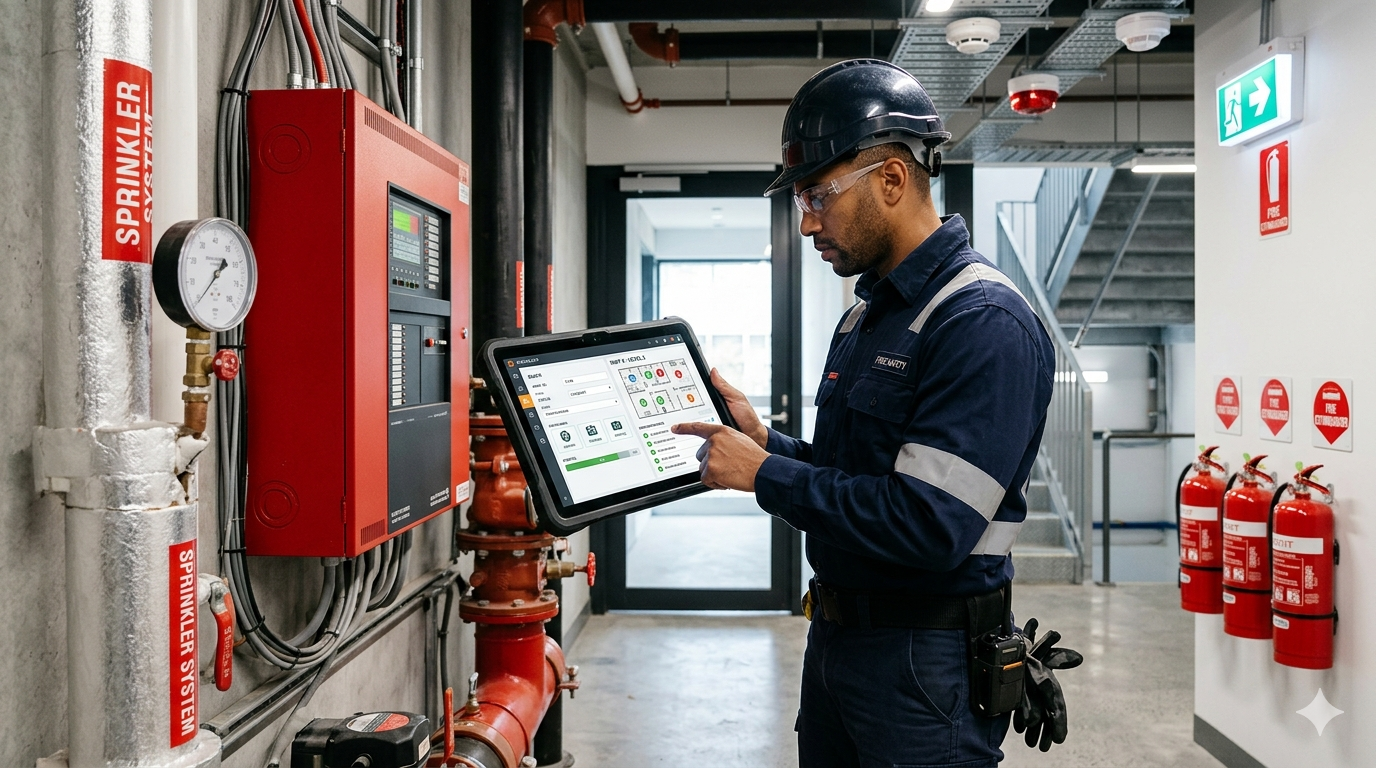
For decades, fire safety inspections followed a predictable, paper-heavy rhythm. An inspector would walk through a facility with a clipboard, check off physical lists, manually log the expiration dates of fire extinguishers, and note blocked exit doors with a pen. Back at the office, these notes were typed into spreadsheets, filed away in cabinets, and…
-
Common Pitfalls in Fire Safety Compliance and How to Avoid Them
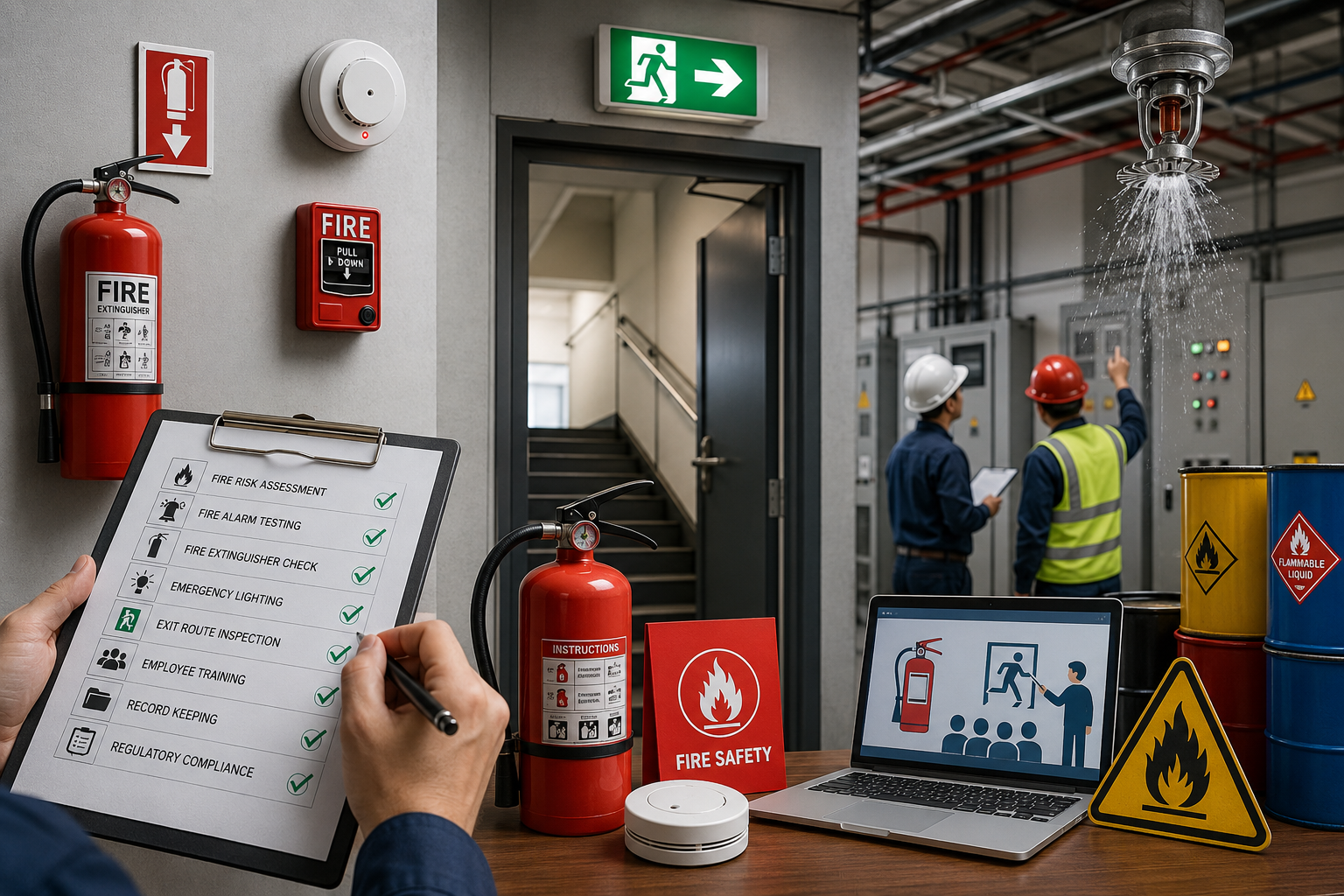
Fire safety compliance is one of the most critical responsibilities for any business, building owner, or facility manager. Whether in offices, industrial facilities, commercial buildings, healthcare centers, or residential complexes, maintaining proper fire safety standards is essential not only for regulatory compliance but also for protecting lives, assets, and business continuity. However, many organizations unknowingly…
-
Preparing for International Fire Safety Certifications
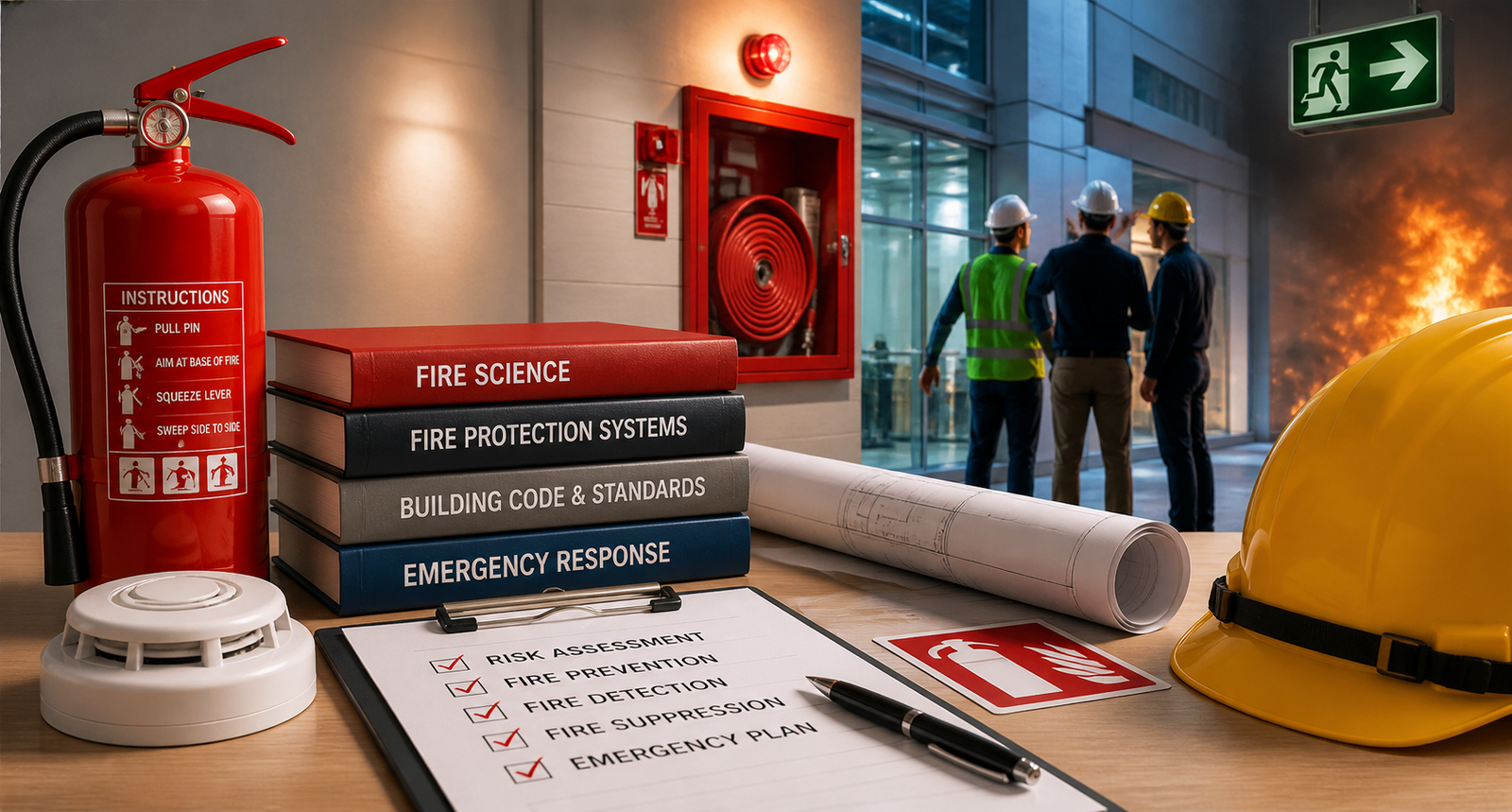
Fire safety is a universal concern that transcends borders, industries, and professions. As globalization continues to connect businesses and communities, the demand for internationally recognized fire safety certifications has grown significantly. These certifications not only validate technical knowledge and practical skills but also ensure that professionals meet globally accepted safety standards. Whether you are a…
-
Understanding Emerging Fire Safety Codes and Standards
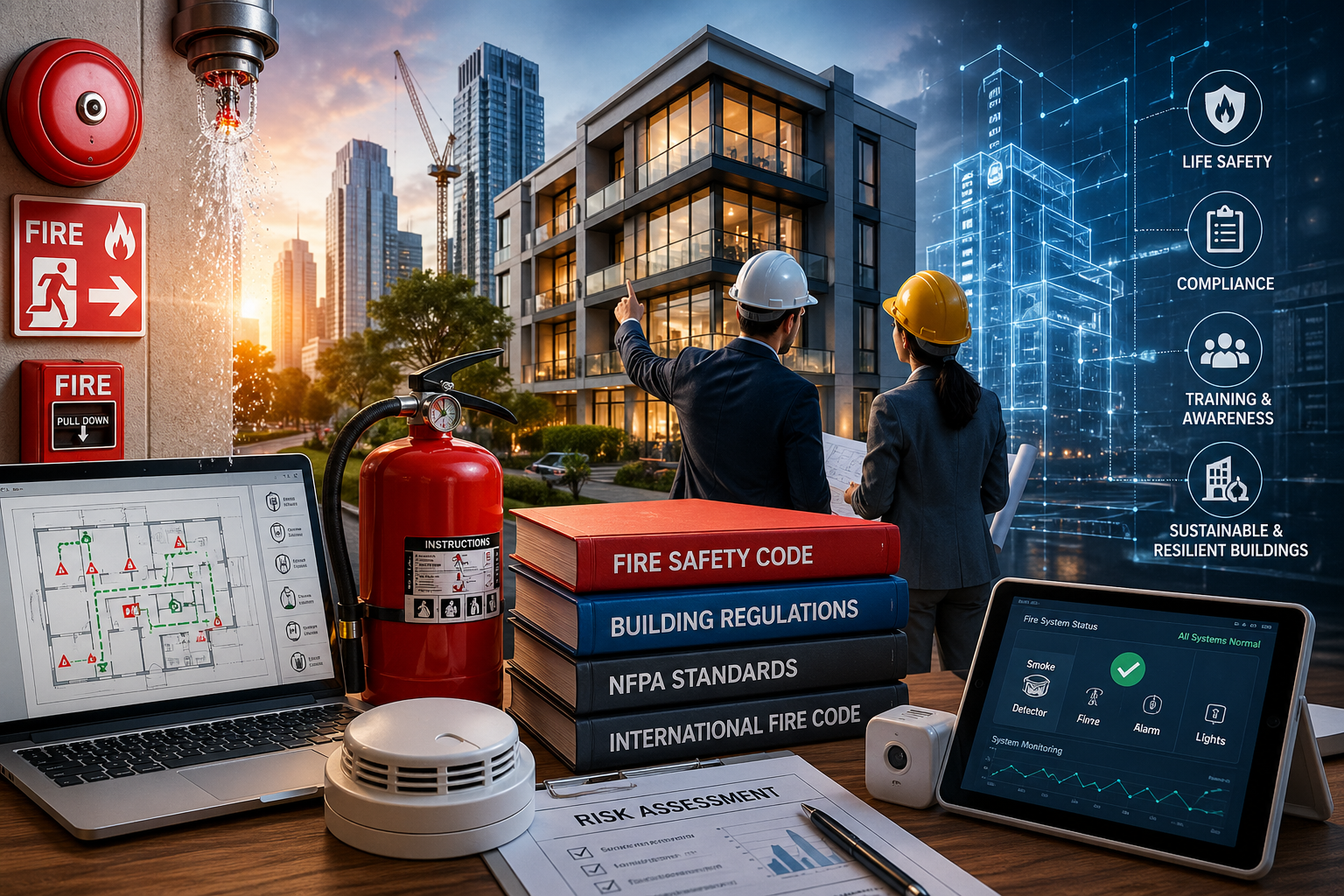
Fire safety has always been a cornerstone of building design and risk management, but in recent years, it has undergone rapid transformation. Driven by urbanization, new construction technologies, climate-related risks, and lessons learned from past tragedies, fire safety codes and standards are evolving faster than ever. For businesses, developers, and safety professionals, keeping up with…
-
Creating a Fire Risk Reduction Culture in the Workplace
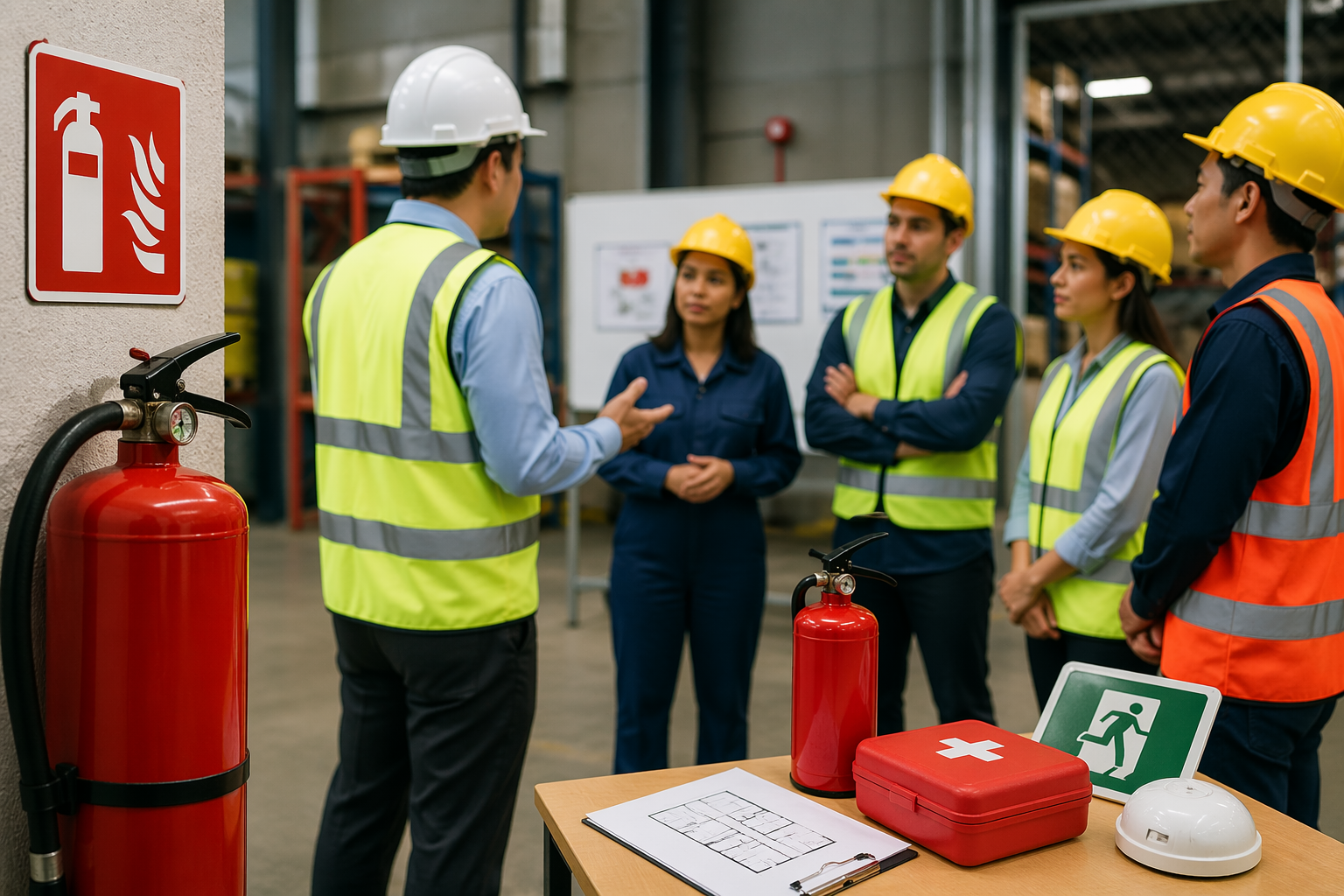
Fire safety in the workplace is often treated as a compliance requirement—something to check off during audits or inspections. But organizations that truly minimize fire risks go beyond checklists. They build a culture where awareness, responsibility, and prevention are embedded into everyday behavior. Creating a fire risk reduction culture isn’t about one policy or one…