
Latest posts
-
Designing Fire-Safe Workspaces from the Ground Up
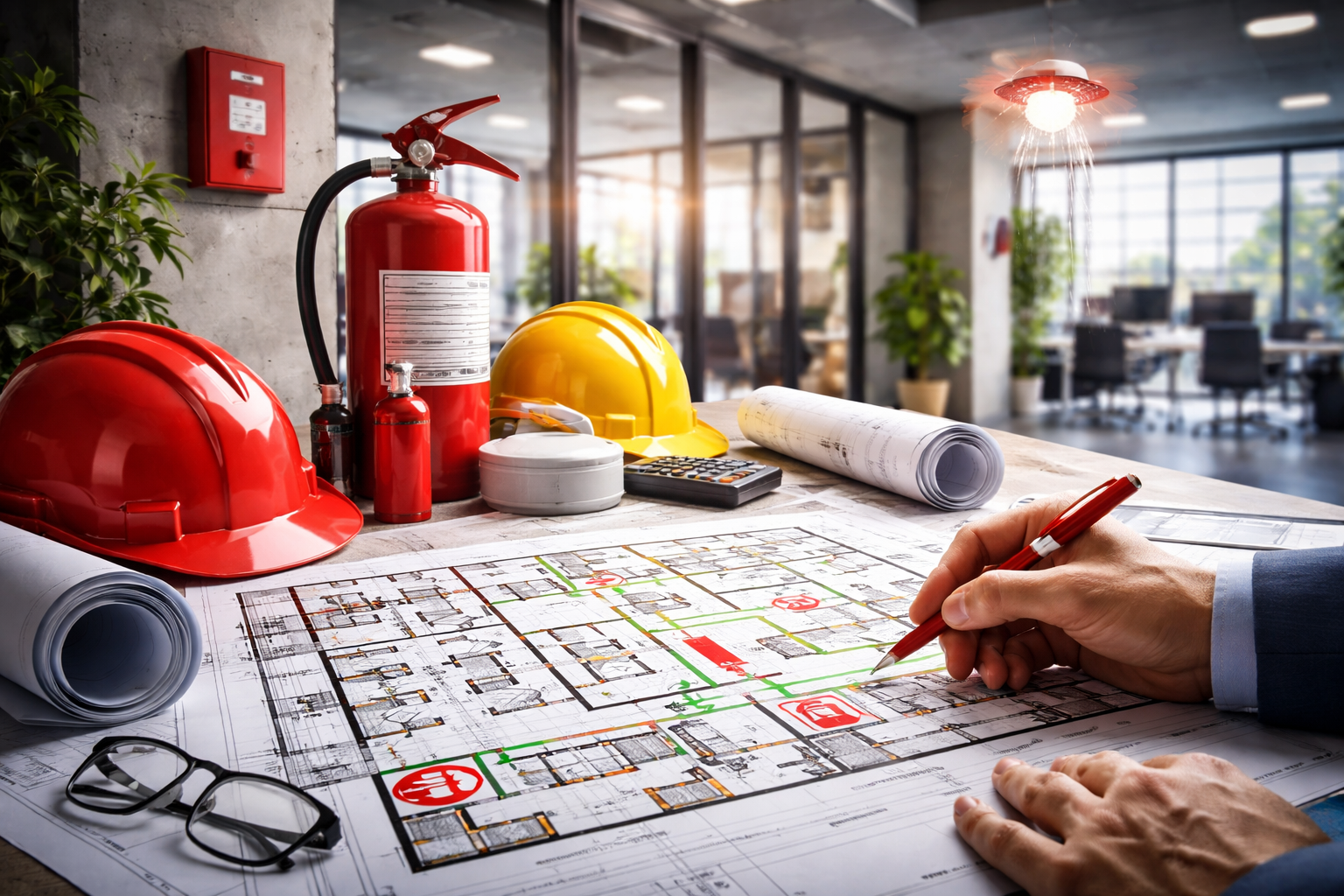
Creating a fire-safe workspace is not just about meeting regulatory requirements—it’s about protecting lives, safeguarding assets, and ensuring business continuity. When fire safety is integrated from the earliest stages of design, organizations can significantly reduce risks while building environments that are both functional and resilient. Why Fire Safety Should Start at the Design Stage…
-
Using Data to Identify Hidden Fire Risks in Buildings
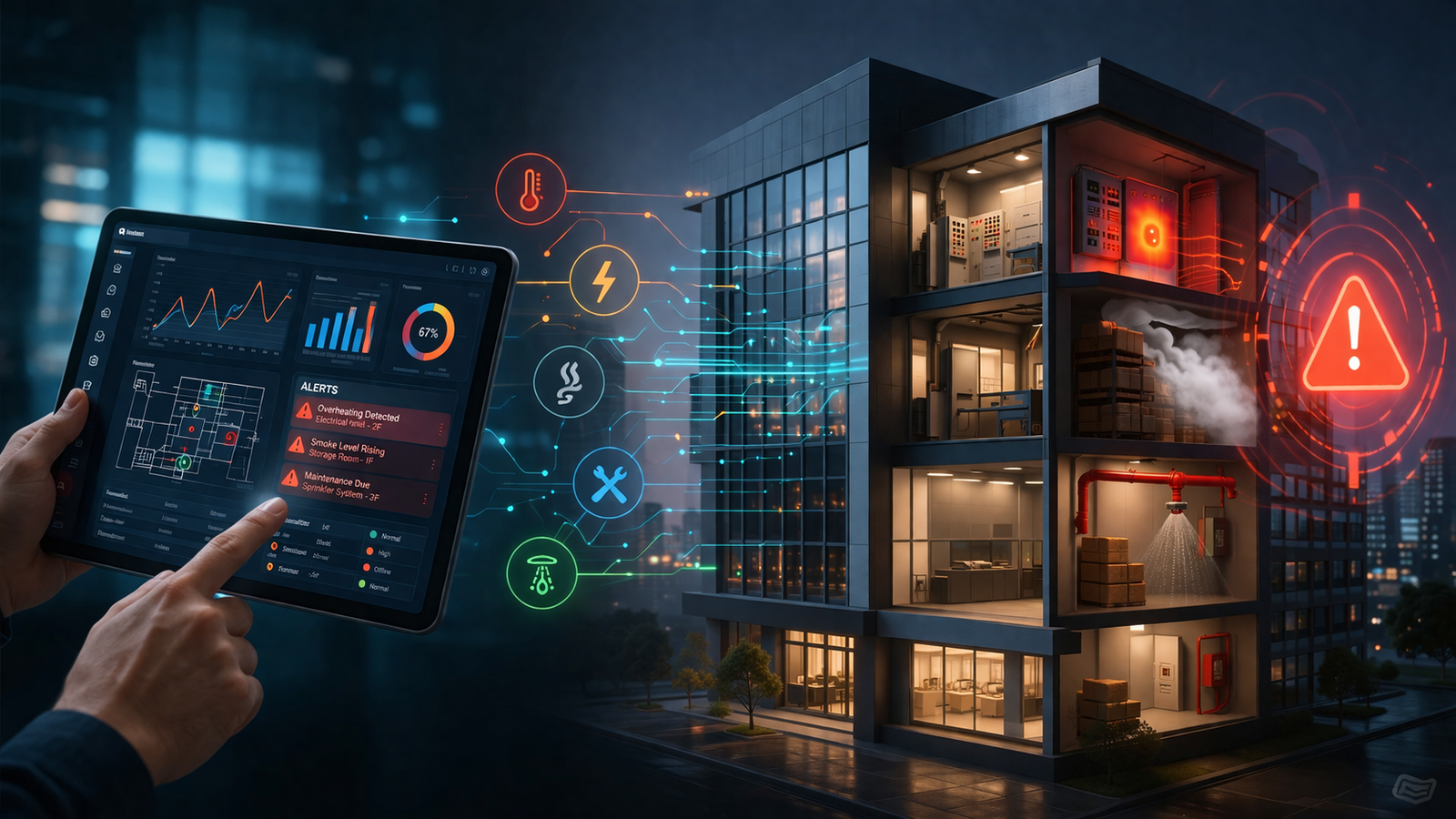
In today’s increasingly complex built environments, fire safety can no longer rely solely on periodic inspections and traditional compliance checklists. While these methods remain essential, they often fail to detect hidden fire risks—those subtle, evolving hazards that develop over time due to operational changes, human behavior, or equipment degradation. The integration of data-driven strategies is…
-
Proactive Fire Hazard Mitigation Techniques for Businesses
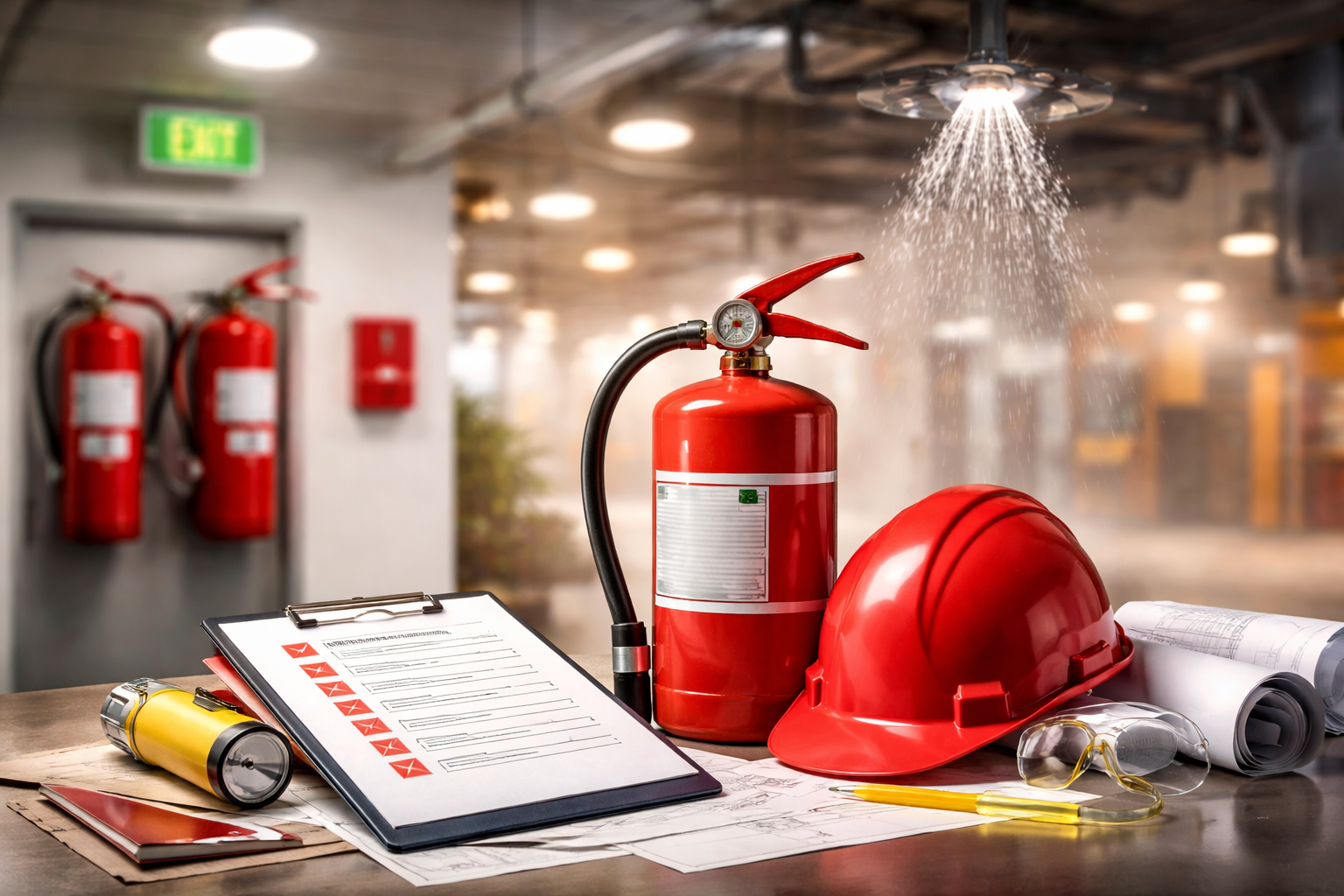
Fire hazards remain one of the most significant threats to business continuity, employee safety, and asset protection. While many organizations rely on reactive measures—such as alarms and suppression systems—forward-thinking businesses understand that prevention is far more effective than response. Proactive fire hazard mitigation focuses on identifying risks before they escalate, implementing preventive controls, and fostering…
-
Maintaining and Testing Fire Suppression Systems for Maximum Reliability
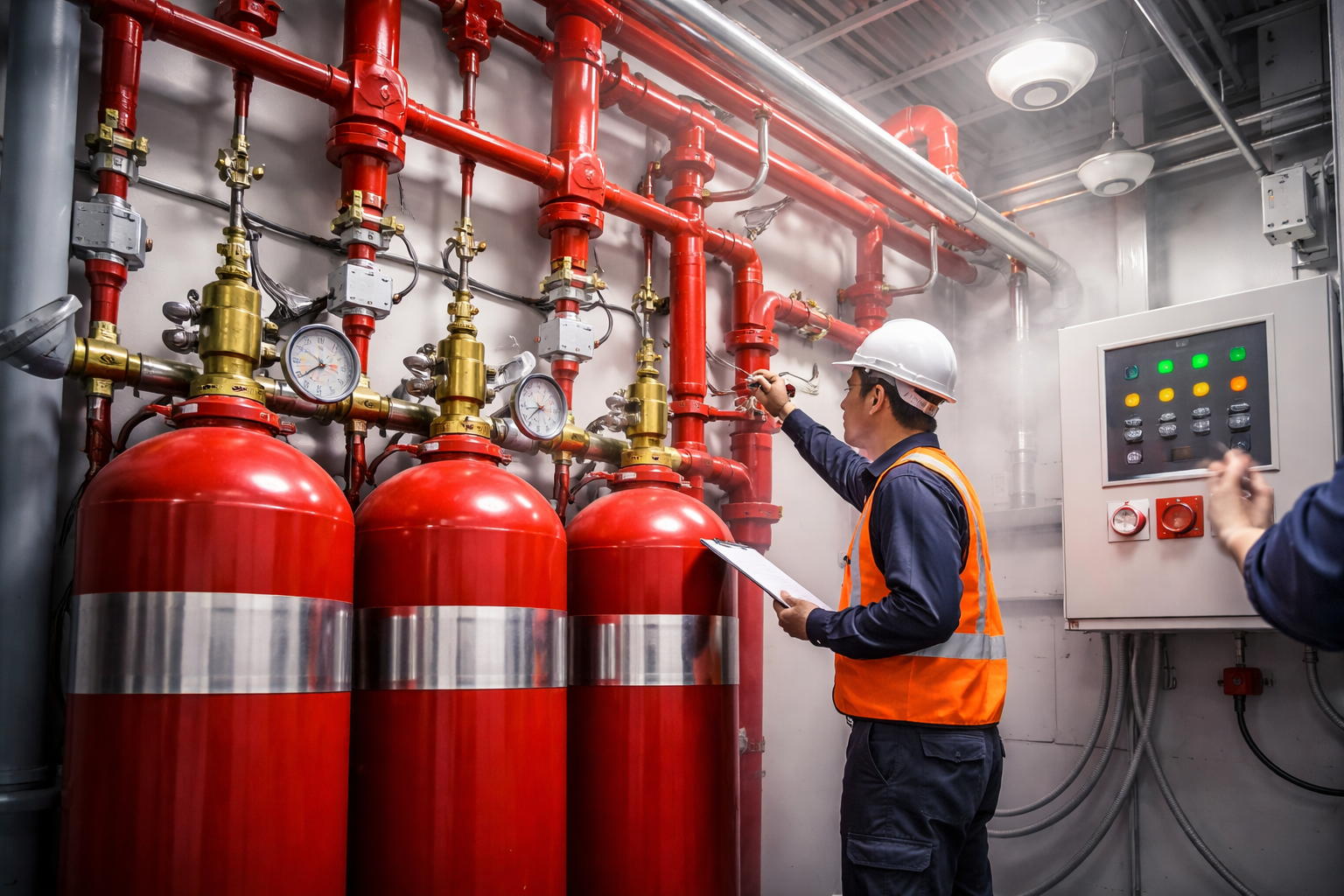
Fire suppression systems are critical safeguards designed to protect lives, property, and business continuity. However, their effectiveness depends not only on proper installation but also on consistent maintenance and rigorous testing. A system that is neglected or improperly maintained may fail at the most critical moment, leading to devastating consequences. Ensuring maximum reliability requires a…
-
Innovations in Foam-Based Fire Suppression Introduction
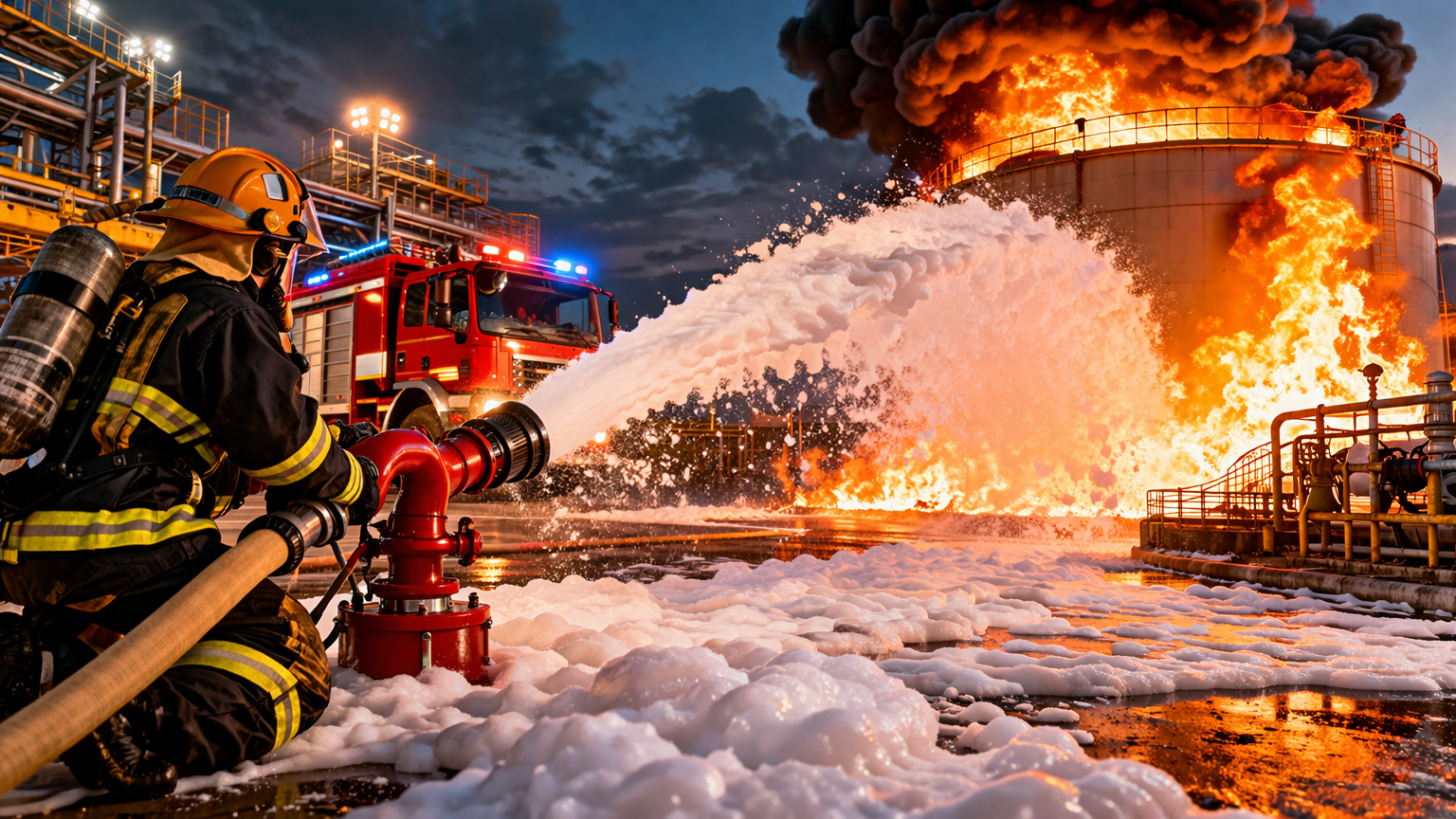
Fire suppression technologies have evolved significantly over the past century, driven by the increasing complexity of industrial environments, stricter safety regulations, and growing environmental concerns. Among these technologies, foam-based fire suppression systems have played a critical role, particularly in combating flammable liquid fires (Class B fires). Traditionally used in sectors such as oil and gas,…
-
How Chemical Suppression Systems Differ from Water-Based Systems
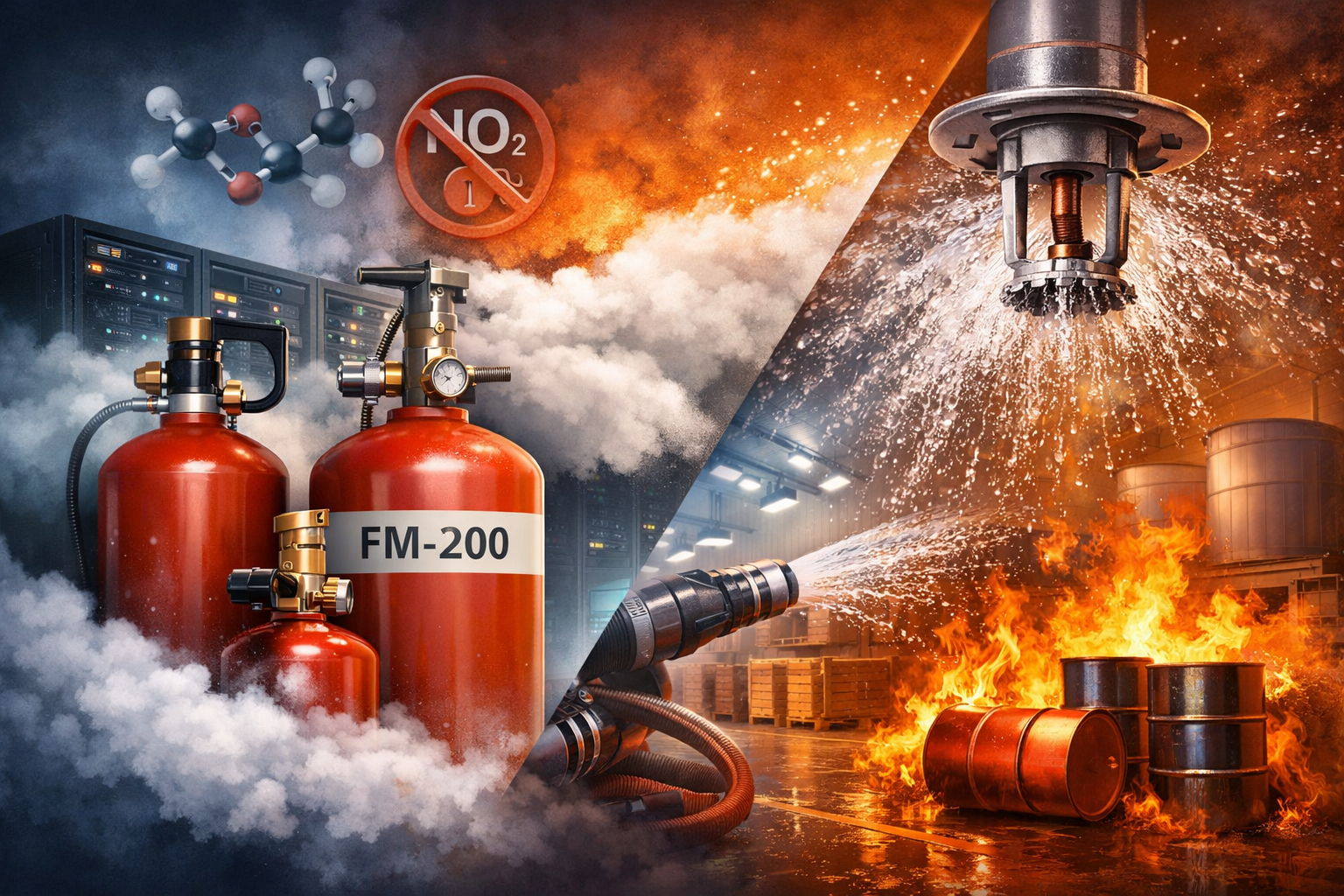
Fire protection systems are a fundamental component of building safety and risk management. They are designed to detect, control, and extinguish fires before they grow into catastrophic events. Among the most widely used fire suppression technologies are chemical suppression systems and water-based suppression systems. While both aim to control and extinguish fires, they differ significantly…
-
Selecting the Best Fire Extinguishing Agent for Your Facility
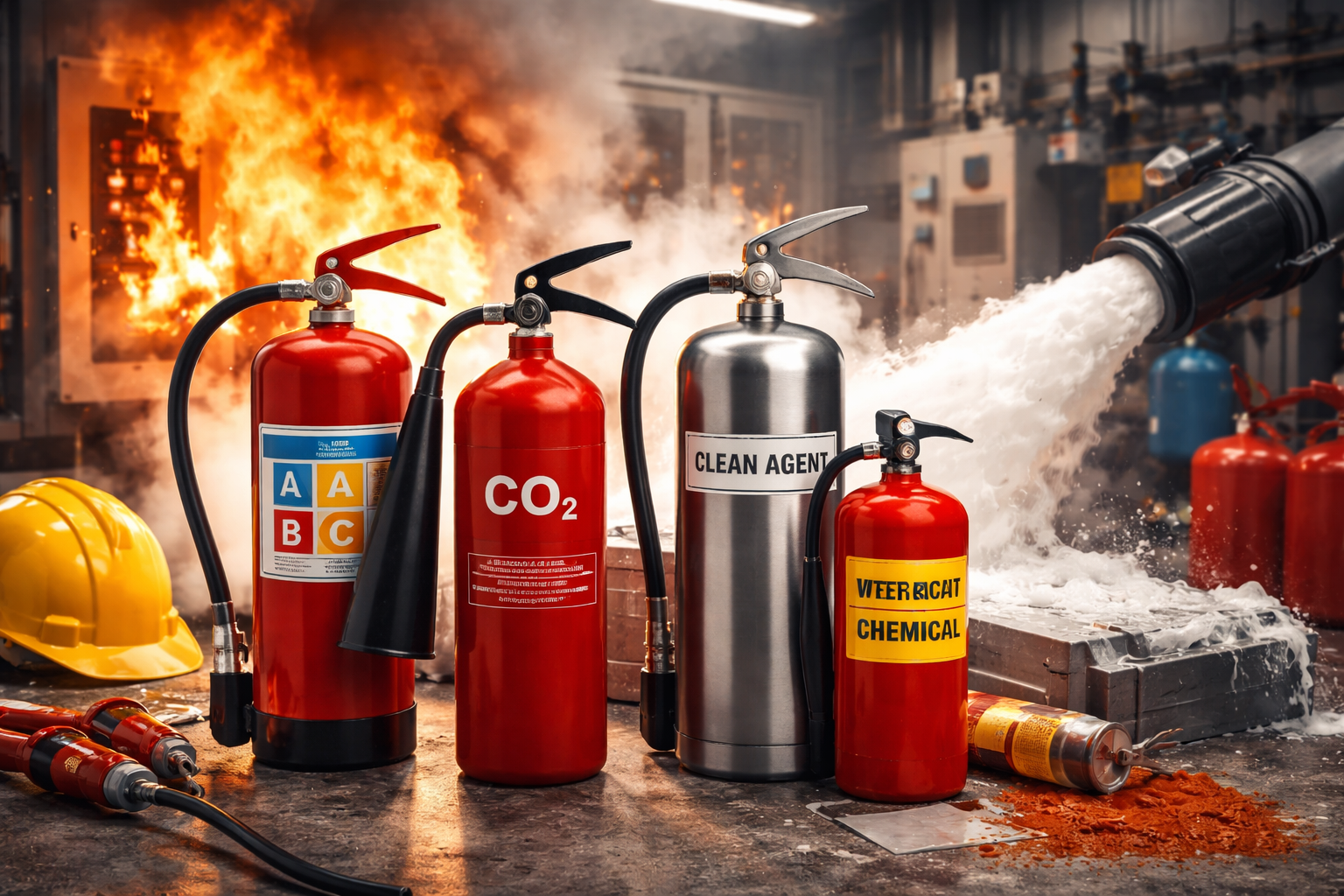
Fire safety is a fundamental responsibility for every facility manager, safety officer, and business owner. Whether you operate a manufacturing plant, laboratory, warehouse, commercial kitchen, hospital, data center, or office building, selecting the appropriate fire extinguishing agent is critical to minimizing damage, protecting occupants, and ensuring regulatory compliance. The wrong extinguishing agent can worsen a…
-
Fire Safety Measures for Laboratories Handling Flammable Materials
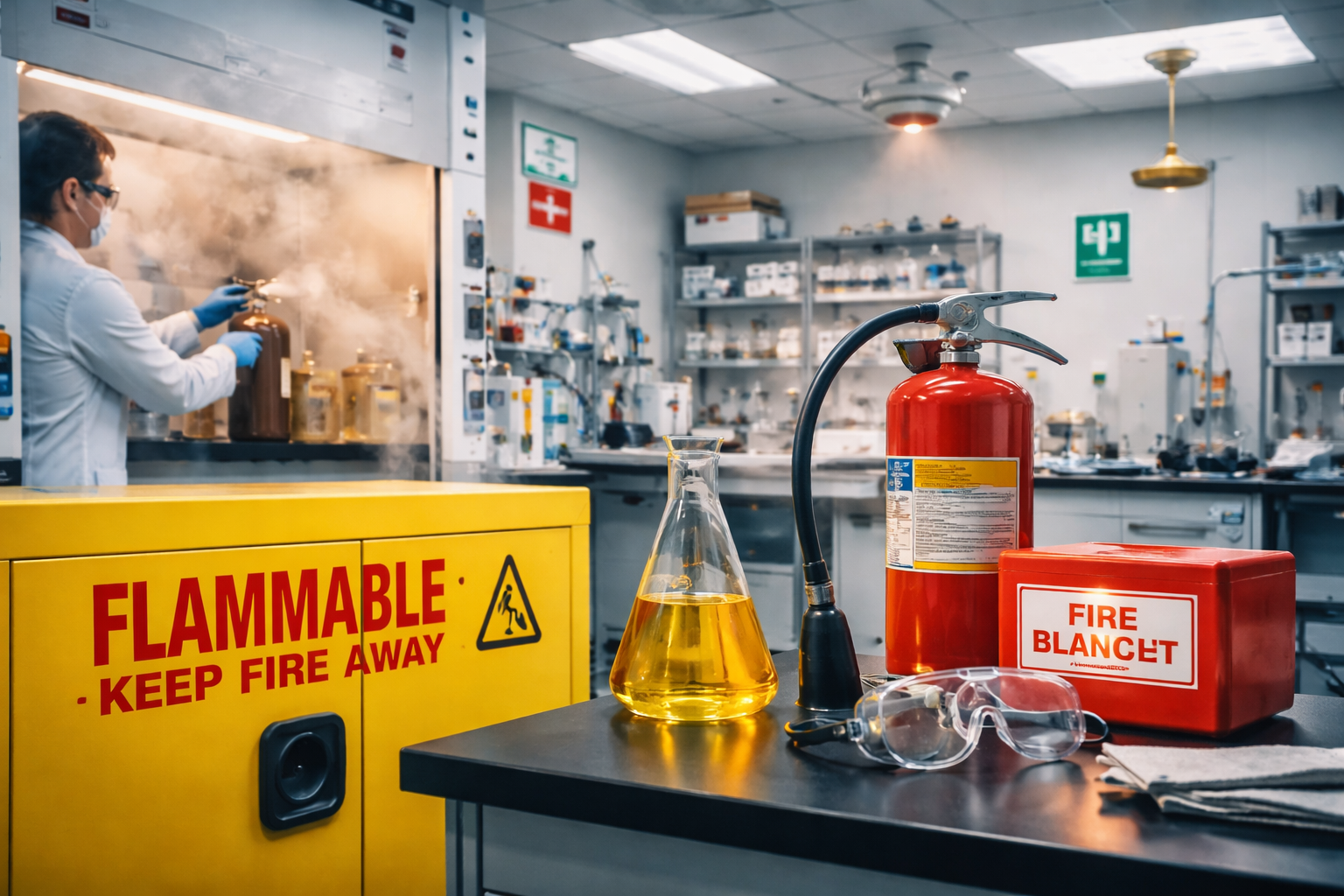
Laboratories that handle flammable materials operate in environments where a single spark, static discharge, or procedural lapse can escalate into a major fire emergency. Whether in academic institutions, industrial research facilities, healthcare laboratories, or chemical manufacturing plants, the presence of volatile solvents, combustible gases, and reactive compounds demands a comprehensive and proactive fire safety strategy.…
-
High-Rise Residential Fire Protection Strategies
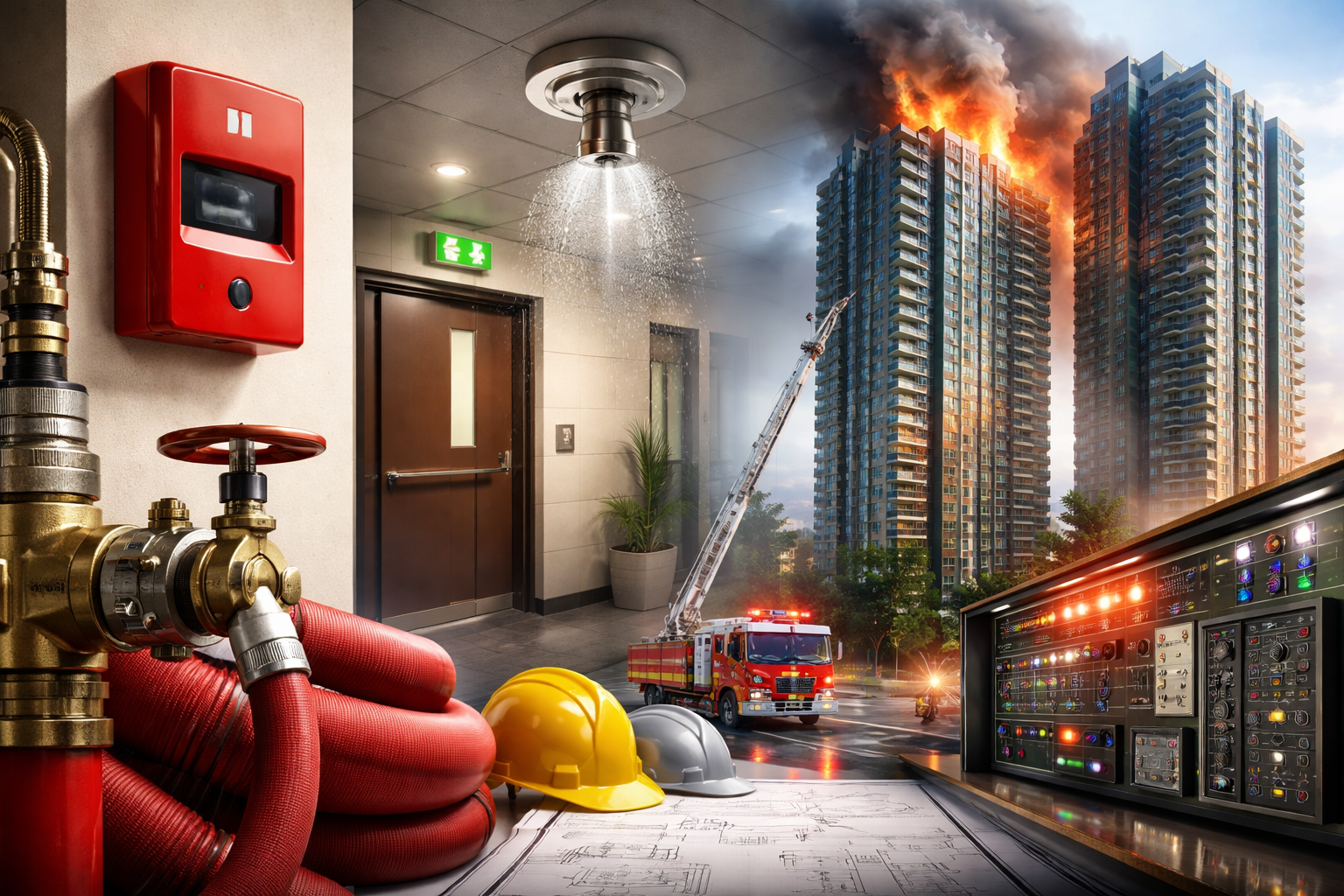
High-rise residential buildings represent some of the most complex environments for fire safety planning. With vertical living comes increased population density, limited evacuation routes, stack effect challenges, and delayed fire department access to upper floors. Effective fire protection in high-rise residences requires a multi-layered strategy that integrates architectural design, engineering systems, occupant preparedness, and ongoing…
-
Fire Safety Challenges in Cold Storage and Freezer Warehouses
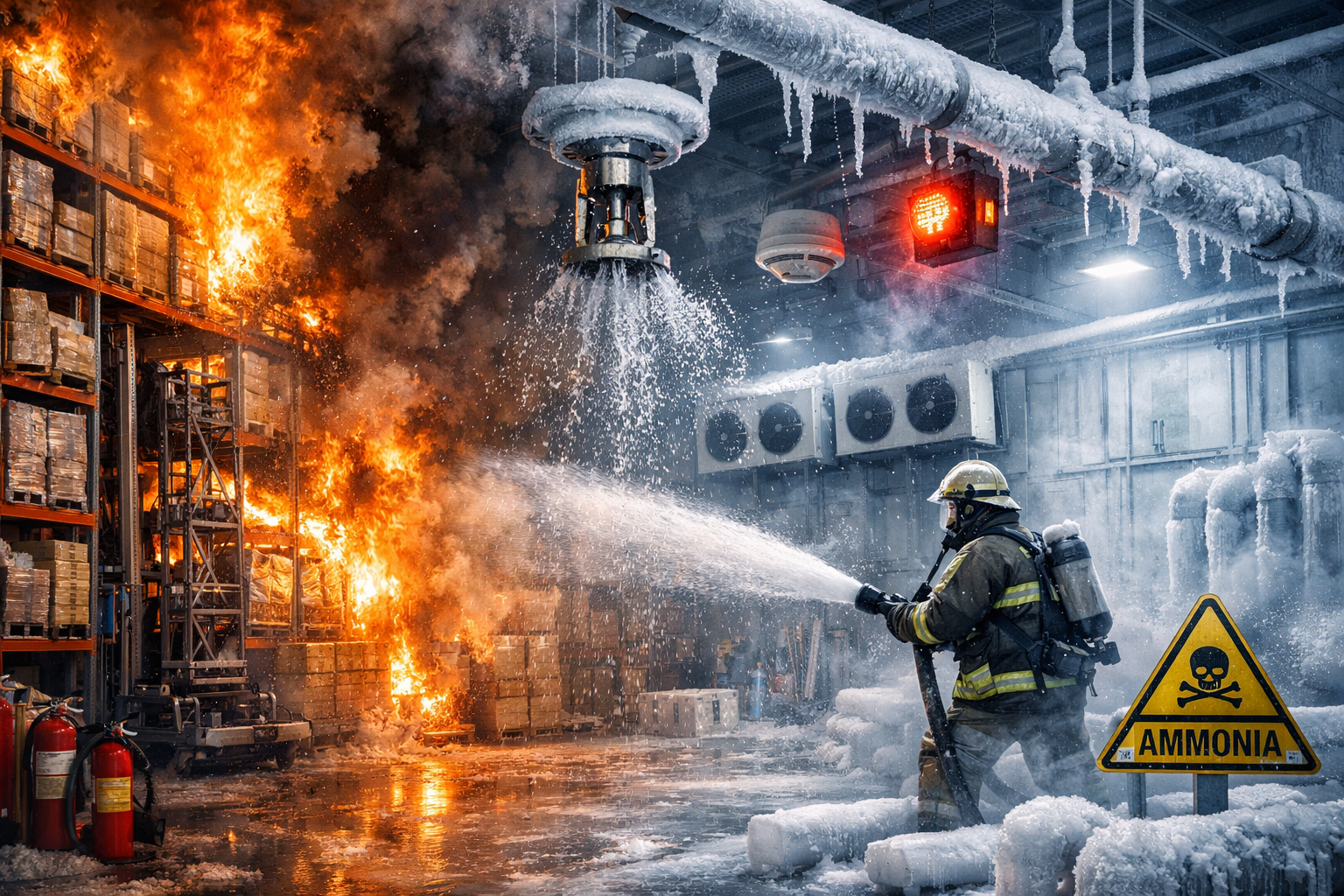
Cold storage and freezer warehouses play a critical role in preserving perishable goods such as food products, pharmaceuticals, and sensitive chemical materials. As global supply chains expand and demand for temperature-controlled storage grows, these facilities are becoming larger, more automated, and increasingly complex. However, alongside these advancements comes a unique set of fire safety challenges…