
Latest posts
-
How to Prepare for Fire Drills and Evacuation Tests: A Comprehensive Guide
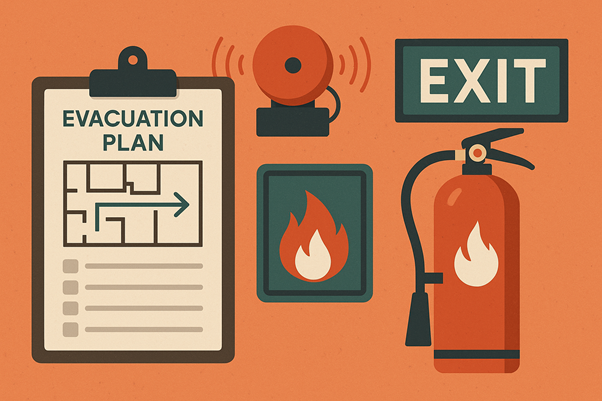
Fire drills and evacuation tests are crucial safety measures designed to prepare individuals and organizations for emergency situations. While they may seem routine or even disruptive, their importance cannot be overstated. These exercises not only test the effectiveness of evacuation procedures but also help identify potential gaps in emergency response plans. Proper preparation for these…
-
Why Every Workplace Needs a Fire Evacuation Plan
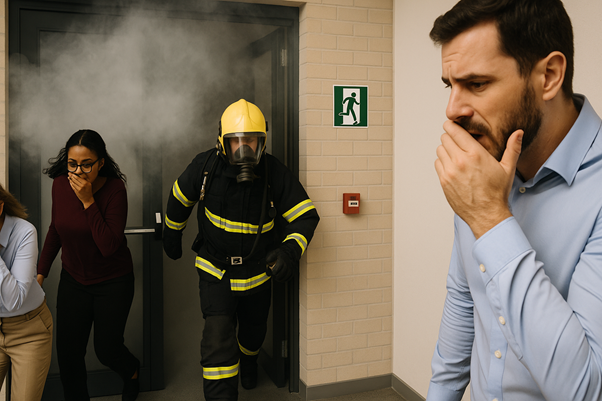
Workplace safety is a cornerstone of effective business operations. Among the most critical components of any safety strategy is a well-thought-out fire evacuation plan. Fires are unpredictable and can cause irreparable harm to both people and property. Yet, many organizations underestimate the need for structured, tested fire evacuation protocols—until it’s too late. This article explores…
-
Developing a Comprehensive Fire Safety Plan for Your Business
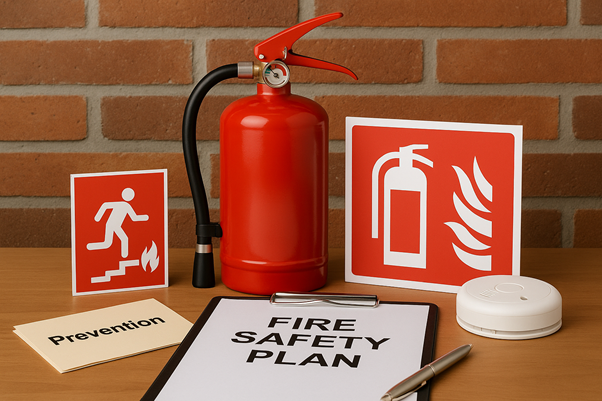
Fire safety is a critical concern for any business, regardless of size or industry. A single fire incident can result in devastating losses, including property damage, employee injuries, operational downtime, and even permanent closure. According to the National Fire Protection Association (NFPA), thousands of non-residential building fires occur annually, causing billions in damages. However, with…
-
School Fire Safety Protocols: Protecting Students and Staff
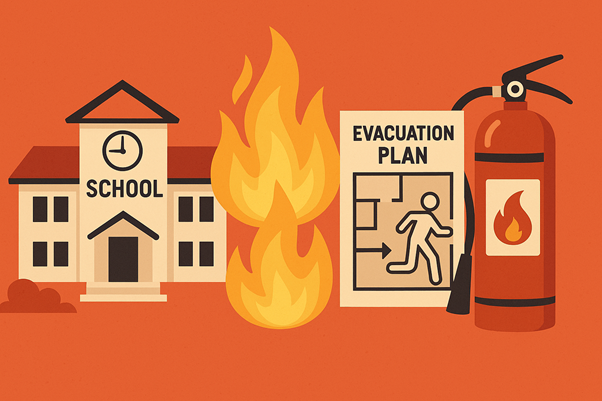
Schools are meant to be safe havens for learning, growth, and community building. Yet, like all public buildings, they are susceptible to emergencies such as fires. The presence of hundreds or even thousands of students and staff within school walls makes fire safety not only a legal requirement but also a moral imperative. Effective fire…
-
Fire Safety in Warehouses and Manufacturing Plants
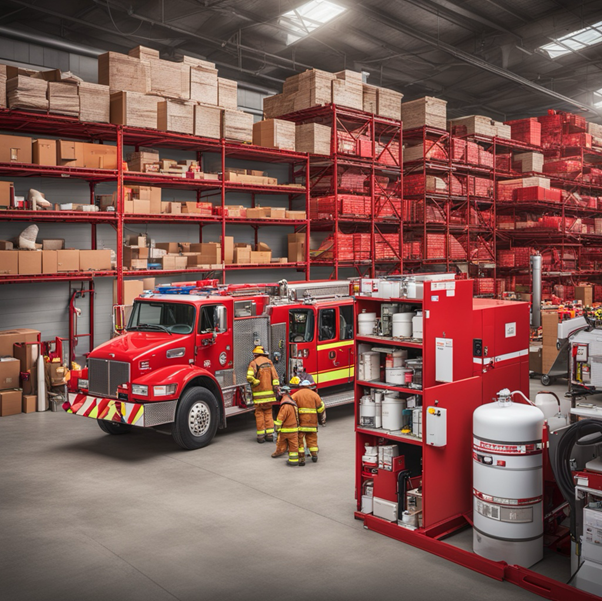
Warehouses and manufacturing plants are critical components of the global supply chain and industrial production. These facilities often house large inventories of materials, complex machinery, and a workforce that operates around the clock. However, they also pose a significant risk when it comes to fire hazards due to the nature of stored goods, flammable substances,…
-
Data Center Fire Protection: Challenges and Solutions
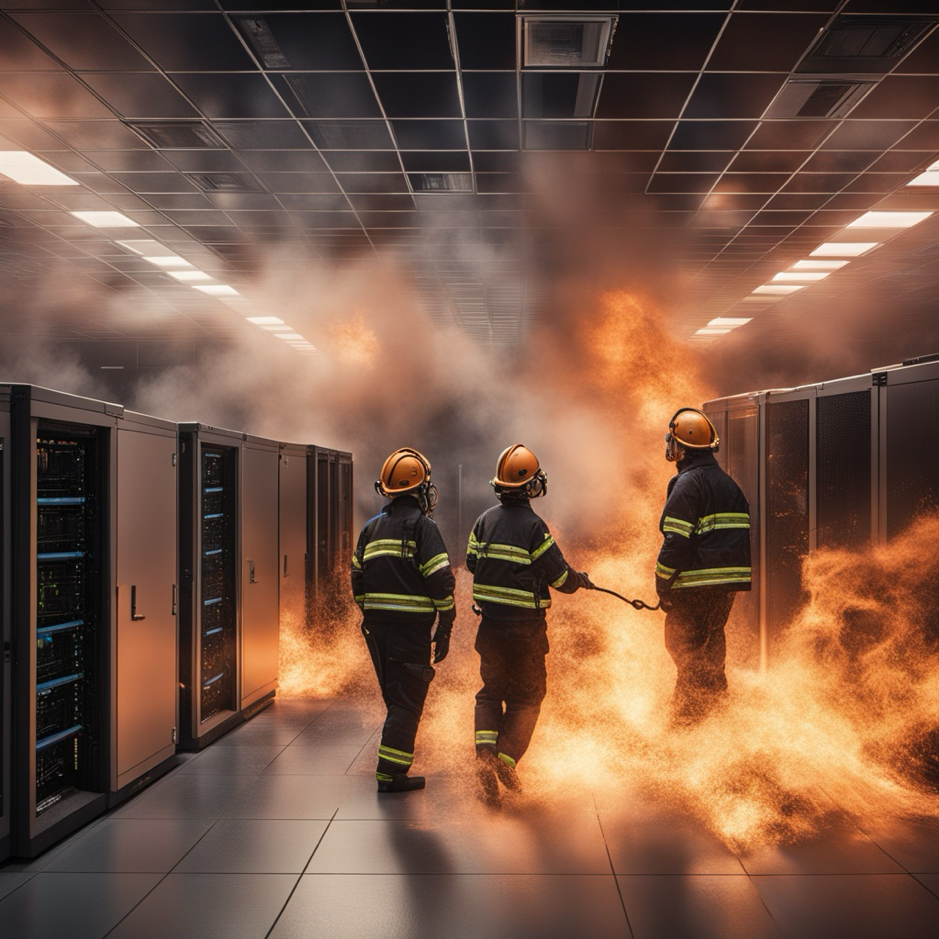
In an increasingly digital world, data centers have become the backbone of nearly every industry—from finance and healthcare to e-commerce and entertainment. These high-density hubs of information storage and processing are mission-critical assets. Yet, they face a range of threats, and one of the most devastating is fire. The consequences of a fire in a…
-
Fire Safety Considerations for Healthcare Facilities
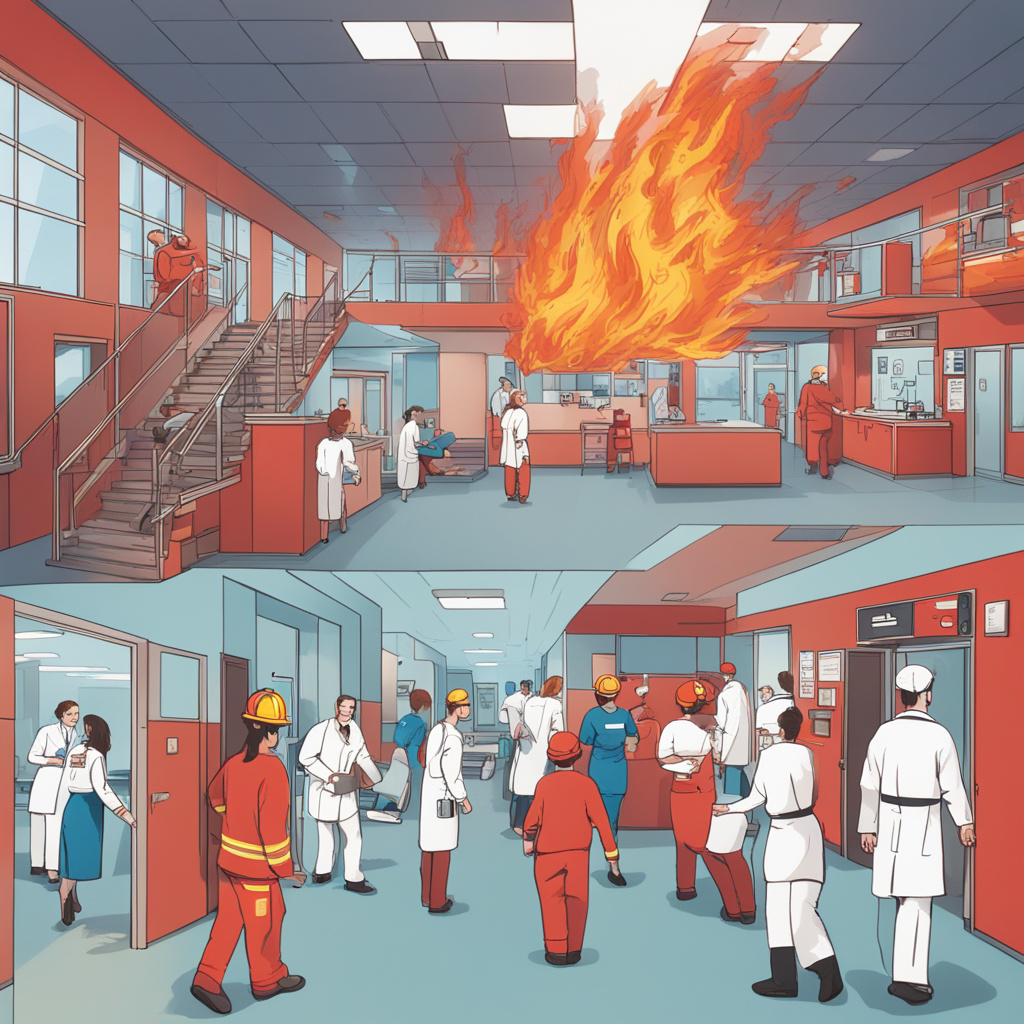
safety is a critical component of risk management in healthcare facilities. Unlike most buildings, hospitals, nursing homes, and other medical centers present unique challenges in fire prevention and response due to the presence of vulnerable populations, specialized equipment, complex layouts, and continuous 24/7 operations. This makes robust fire safety planning not just necessary, but potentially…
-
Steps for Creating an Action Plan After a Fire Risk Assessment
Conducting a fire risk assessment is a critical step in ensuring the safety of a building and its occupants. However, the assessment alone is not enough. What truly makes a difference is the creation and implementation of a comprehensive action plan that addresses the findings. A well-crafted action plan turns insights into action, reduces hazards,…
-
Using Fire Risk Assessments to Improve Workplace Safety

Workplace safety is a top priority for businesses of all sizes and across all industries. Among the various hazards that can threaten employee well-being and disrupt business operations, fire stands out as one of the most destructive. Fortunately, one of the most effective tools for preventing fire-related incidents is a fire risk assessment. When properly…
-
Identifying Fire Hazards in Commercial Properties

Commercial properties, which include office buildings, retail spaces, warehouses, restaurants, and industrial facilities, are especially vulnerable to fire hazards due to the complexity of their operations, high occupancy levels, and diverse range of equipment and materials. Recognizing and addressing fire hazards in such environments is crucial not only for ensuring the safety of occupants and…