
Latest posts
-
How Fire Safety Training Benefits Your Business
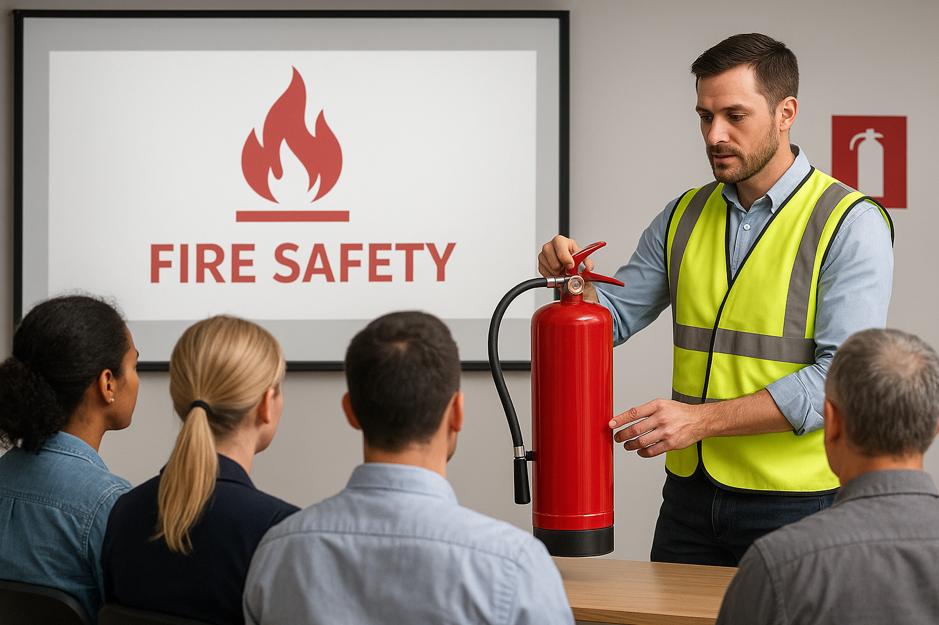
Fire safety is often thought of as a regulatory requirement—a box to tick during compliance audits. But in reality, it is much more than that. Investing in fire safety training for your employees not only reduces the risk of accidents but also strengthens the overall resilience, culture, and reputation of your business. In an environment…
-
Upgrading Your Fire Detection System: When and Why
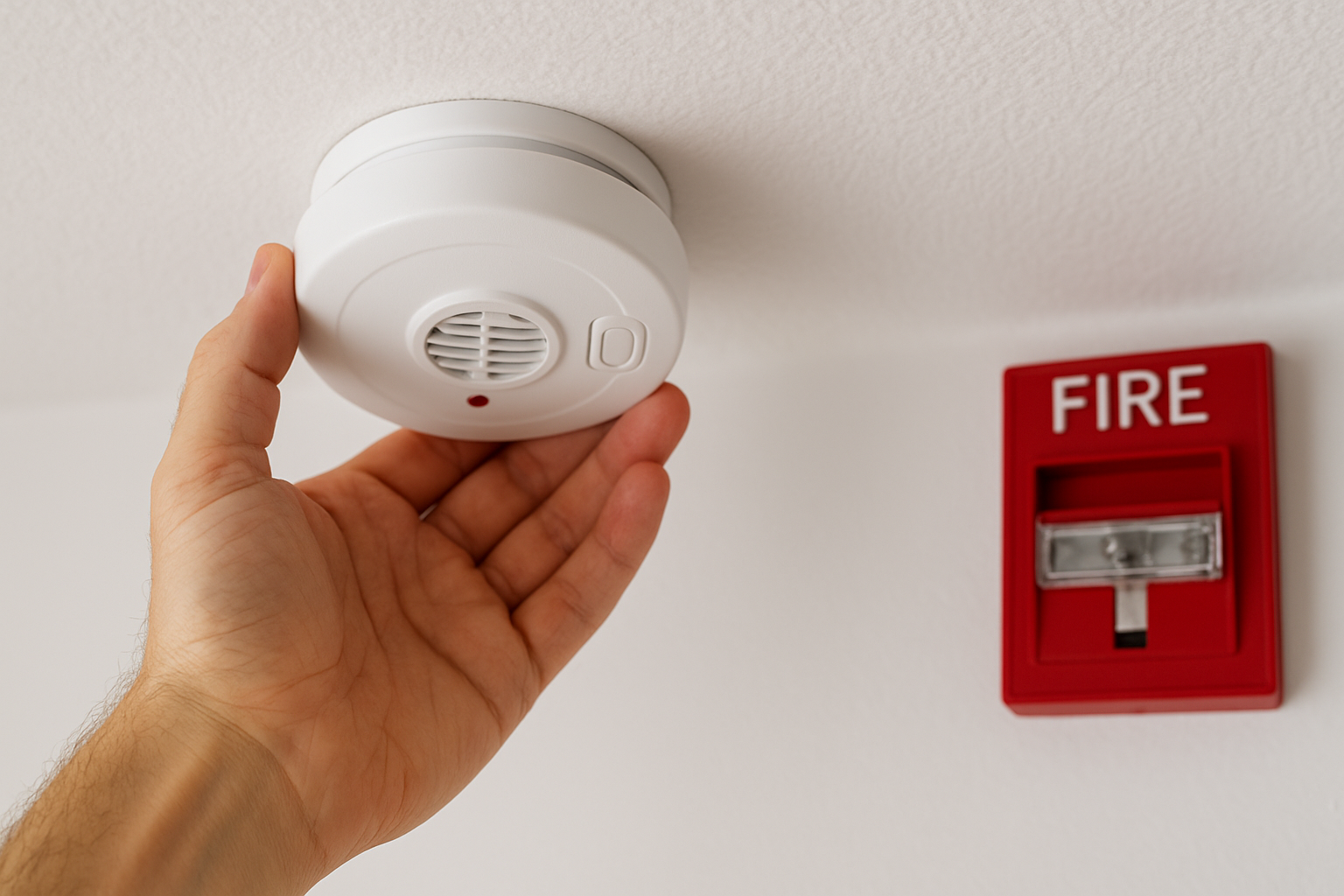
detection systems are among the most critical safety investments for any home, office, or commercial building. While many people assume that once installed, these systems will work effectively forever, the truth is that fire detection technology—like any other form of technology—evolves rapidly and can become outdated over time. An old or inadequate system may fail…
-
Integrating Fire Alarms with Security Systems for Better Protection
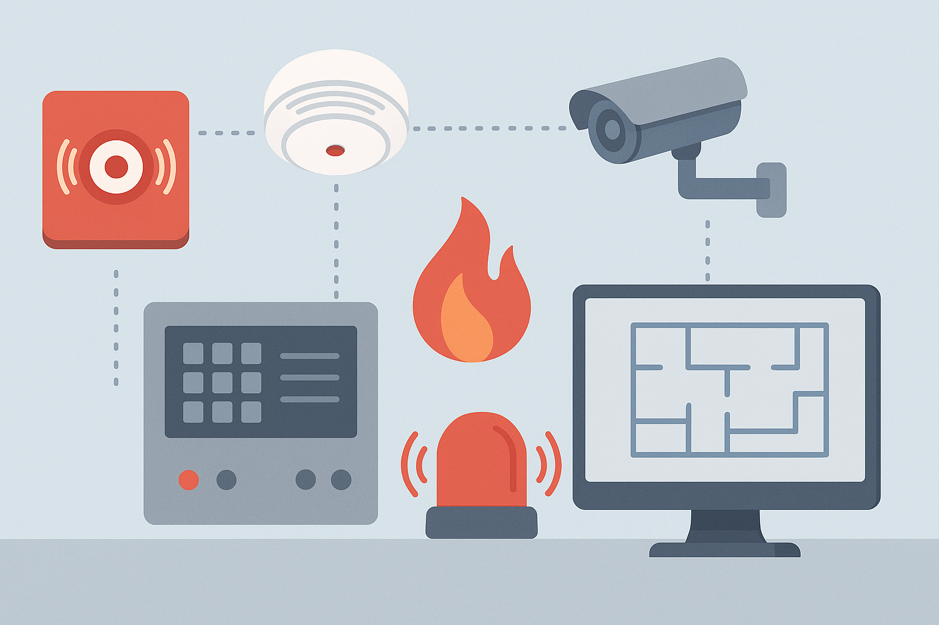
In an era where safety and efficiency are paramount, the integration of fire alarms with security systems has emerged as a powerful approach to safeguarding people, property, and assets. Traditionally, fire alarm systems and security systems—such as intrusion detection, CCTV, and access control—operated independently. While both served critical protective roles, the lack of communication between…
-
Fire Detection Systems for High-Risk Areas
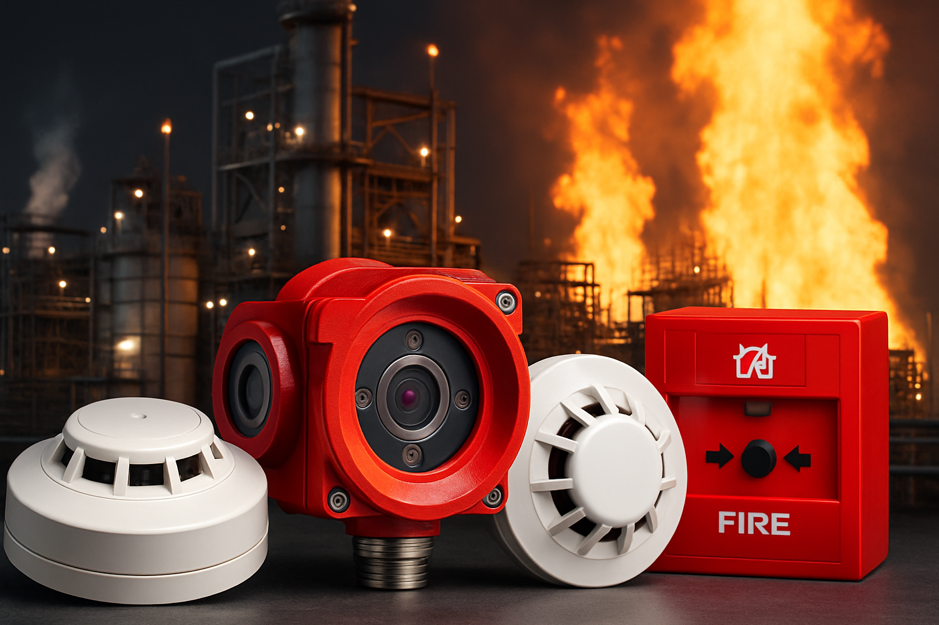
industrial plants, data centers, warehouses, chemical facilities, and other critical infrastructure, the threat of fire is not just a matter of property damage — it can mean catastrophic loss of assets, disruption of operations, and risk to human life. High-risk areas require more than standard smoke alarms; they demand advanced, reliable, and often customized fire…
-
The Latest Advancements in Fire Alarm Technology
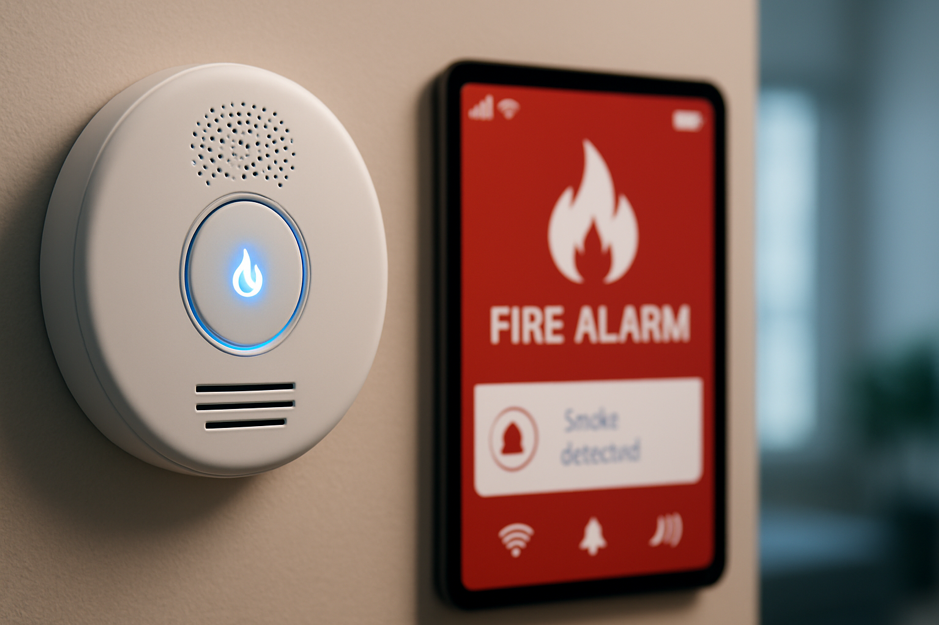
In an age where smart technology and automation are transforming how we live and work, fire alarm systems are undergoing a significant evolution. Fire safety is a critical aspect of any residential, commercial, or industrial structure, and the stakes are high—early detection of fire not only saves lives but also minimizes property damage and environmental…
-
Key Takeaways from Fire Protection Success Stories
In the world of fire safety, it’s easy to focus on what went wrong—devastating blazes, system failures, and tragic losses. But just as important, and perhaps more instructive, are the stories of success: moments when preparation, planning, and proper protection made all the difference. These real-life victories are more than just fortunate escapes—they’re roadmaps for…
-
How a Proactive Fire Protection Plan Saved a Local Business
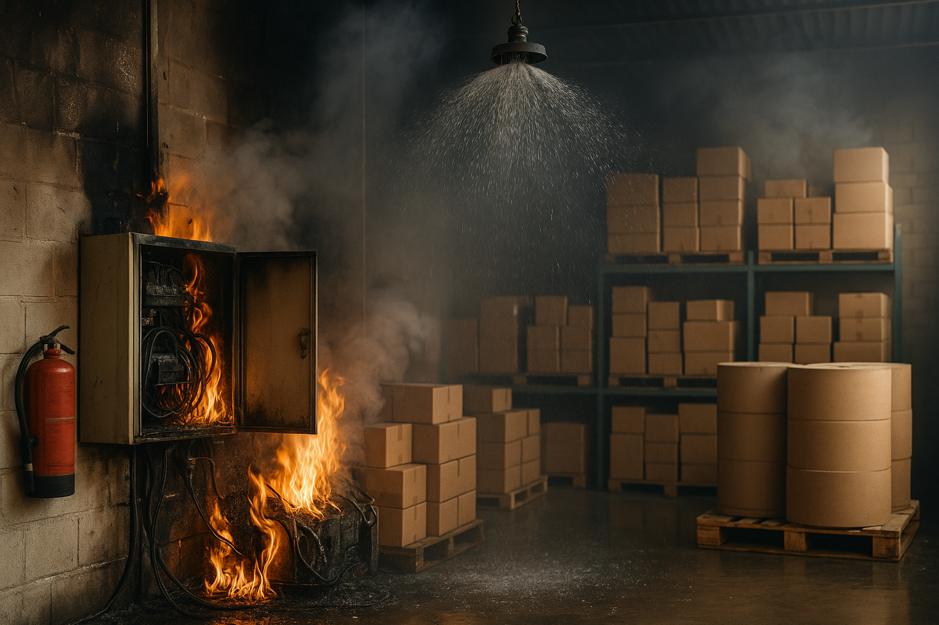
In the early morning hours of a quiet Monday, a small but thriving local business in the heart of a bustling Indonesian city faced what could have been a catastrophic disaster. Sparks from a short circuit in an aging fuse box ignited a smoldering fire within the walls of the facility. However, thanks to a…
-
Case Study: Adapting Fire Safety for Complex Building Layouts
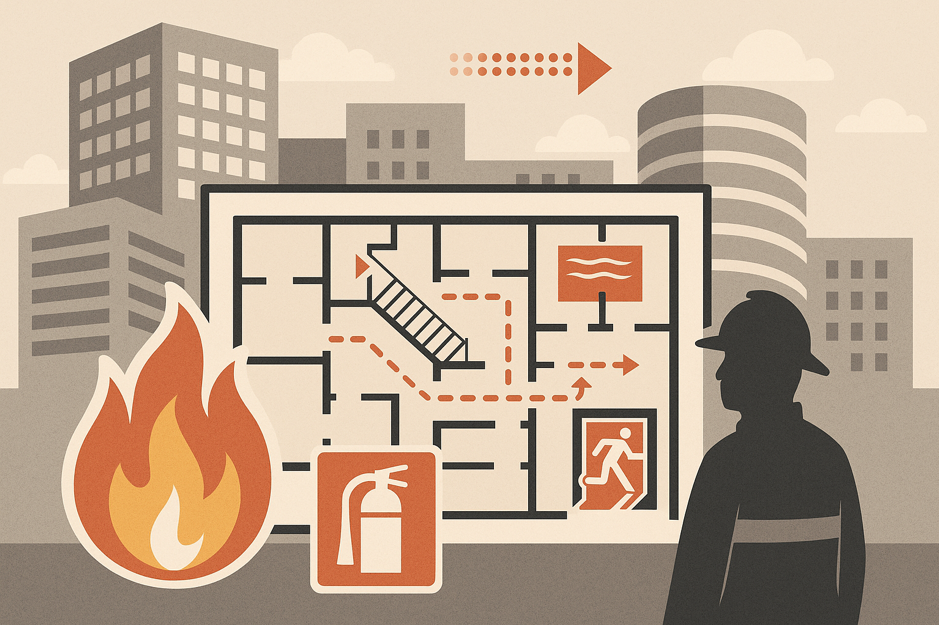
today’s rapidly urbanizing world, architectural designs are becoming increasingly bold and sophisticated. While these complex building layouts push aesthetic and functional boundaries, they also present unique challenges in ensuring occupant safety — particularly in the realm of fire safety. This case study explores how fire safety strategies can be adapted to suit buildings with intricate…
-
Protection Lessons Learned from Real-World Incidents: Fire Protection Systems
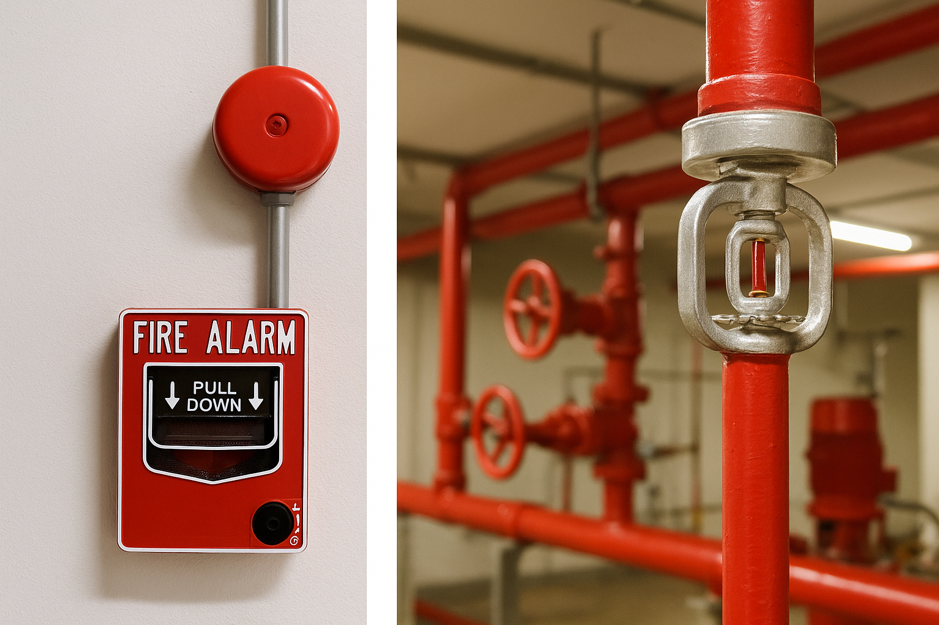
Fire protection systems are critical safeguards designed to prevent loss of life, property damage, and business disruption. Yet, real-world incidents continue to highlight that even the most advanced systems can fail if they are not properly designed, maintained, or integrated into organizational culture. By examining actual fire events, we can uncover essential lessons that help…
-
Implementing a Fire Response Team in Your Organization
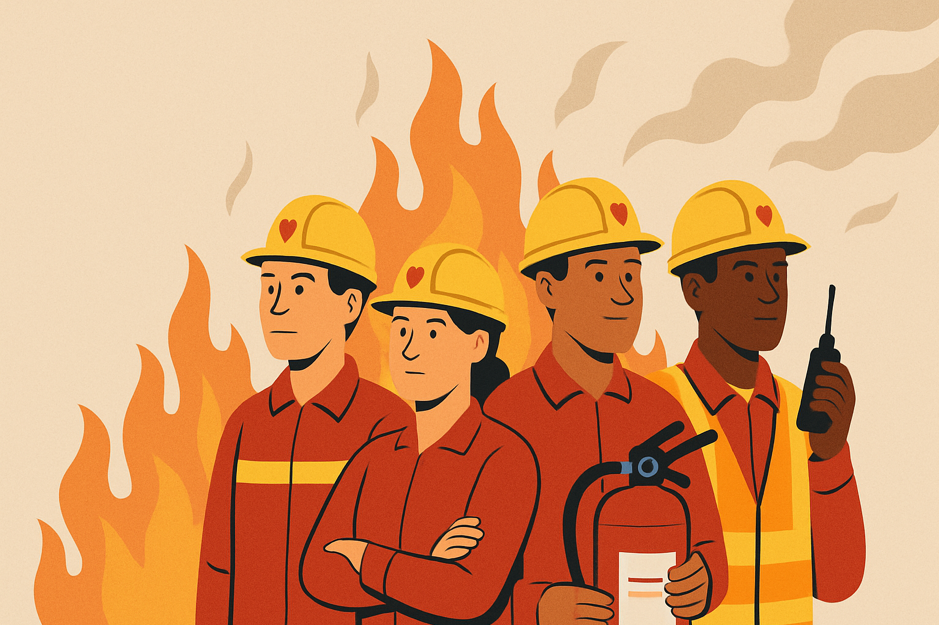
In any organization, safety is paramount—not just as a compliance requirement but as a moral obligation. One of the most critical components of any workplace safety program is effective fire preparedness. While fire alarms, extinguishers, and evacuation maps are essential, they’re only part of a broader strategy. To truly enhance fire readiness, organizations should consider…