
Latest posts
-
Protecting Art Galleries and Museums from Fire Hazards

galleries and museums serve as guardians of culture, history, and human creativity. They house priceless artifacts, historical documents, sculptures, paintings, textiles, and multimedia installations that often cannot be replaced if lost or damaged. While these institutions focus heavily on preservation from environmental factors such as humidity, temperature, and light exposure, fire hazards remain one of…
-
How Robotics Are Enhancing Firefighting Capabilities
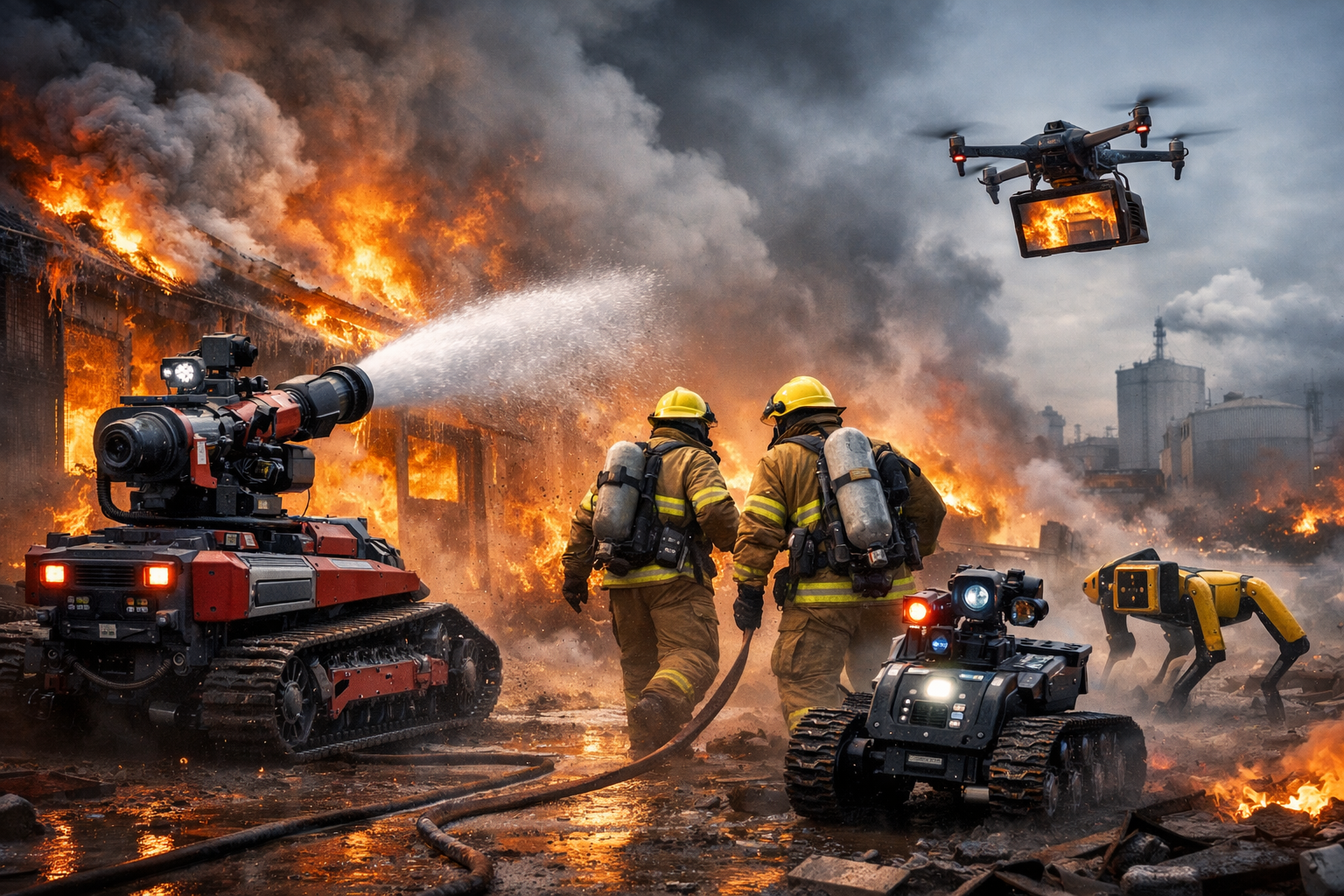
has always been one of the most dangerous professions in the world. Extreme heat, toxic smoke, unstable structures, and limited visibility put human responders at constant risk. As urban environments grow more complex and industrial facilities more hazardous, traditional firefighting methods alone are no longer enough. This is where robotics is stepping in—quietly but powerfully—reshaping…
-
Next-Gen Sprinkler Systems for Modern Buildings
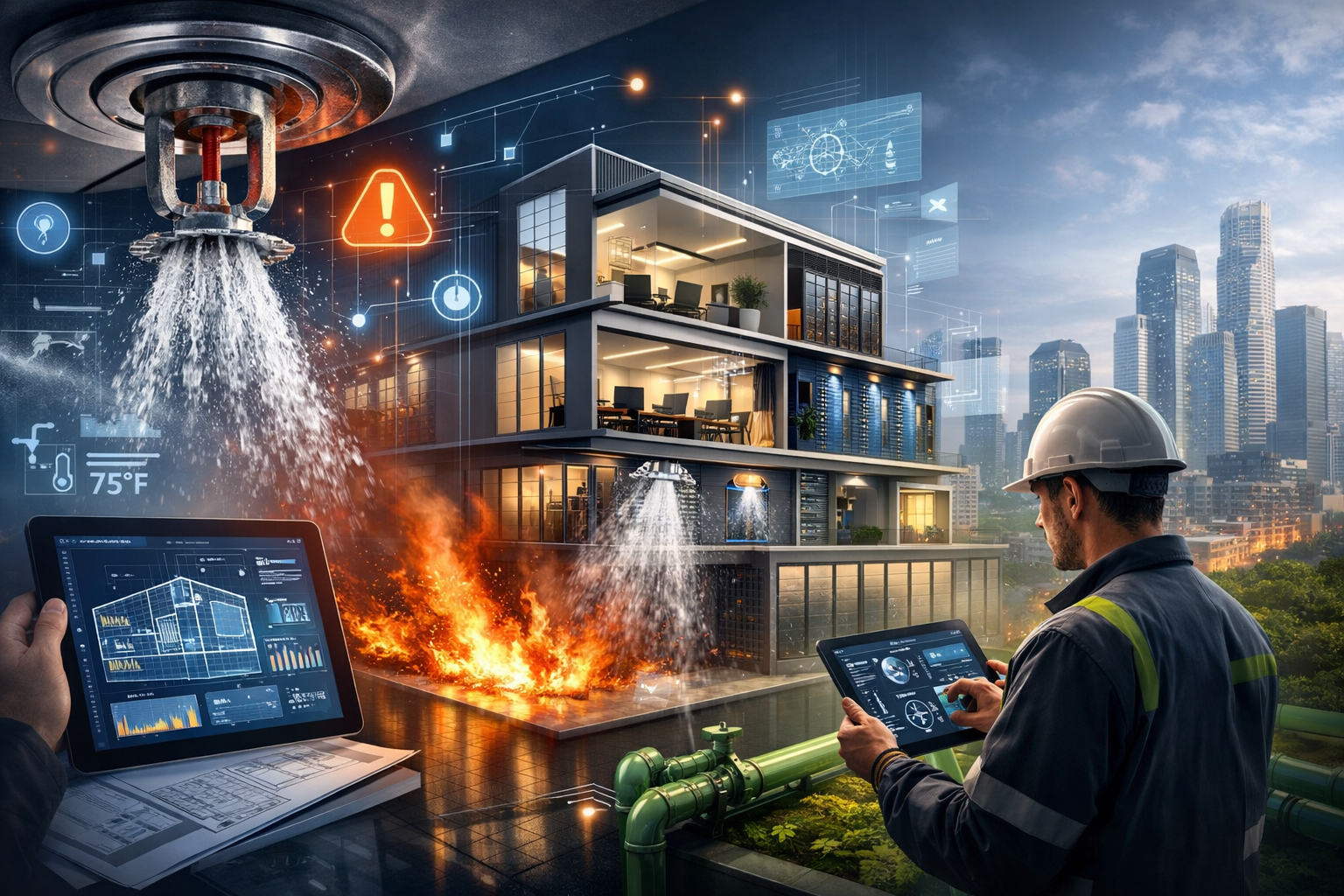
Fire safety has long relied on a simple but powerful concept: detect heat, release water, and suppress flames before they spread. While traditional sprinkler systems have saved countless lives and properties, modern buildings now demand far more advanced solutions. With high-rise structures, mixed-use developments, smart buildings, and sustainability goals becoming the norm, sprinkler technology is…
-
Leveraging Smart Analytics to Predict Fire Risks
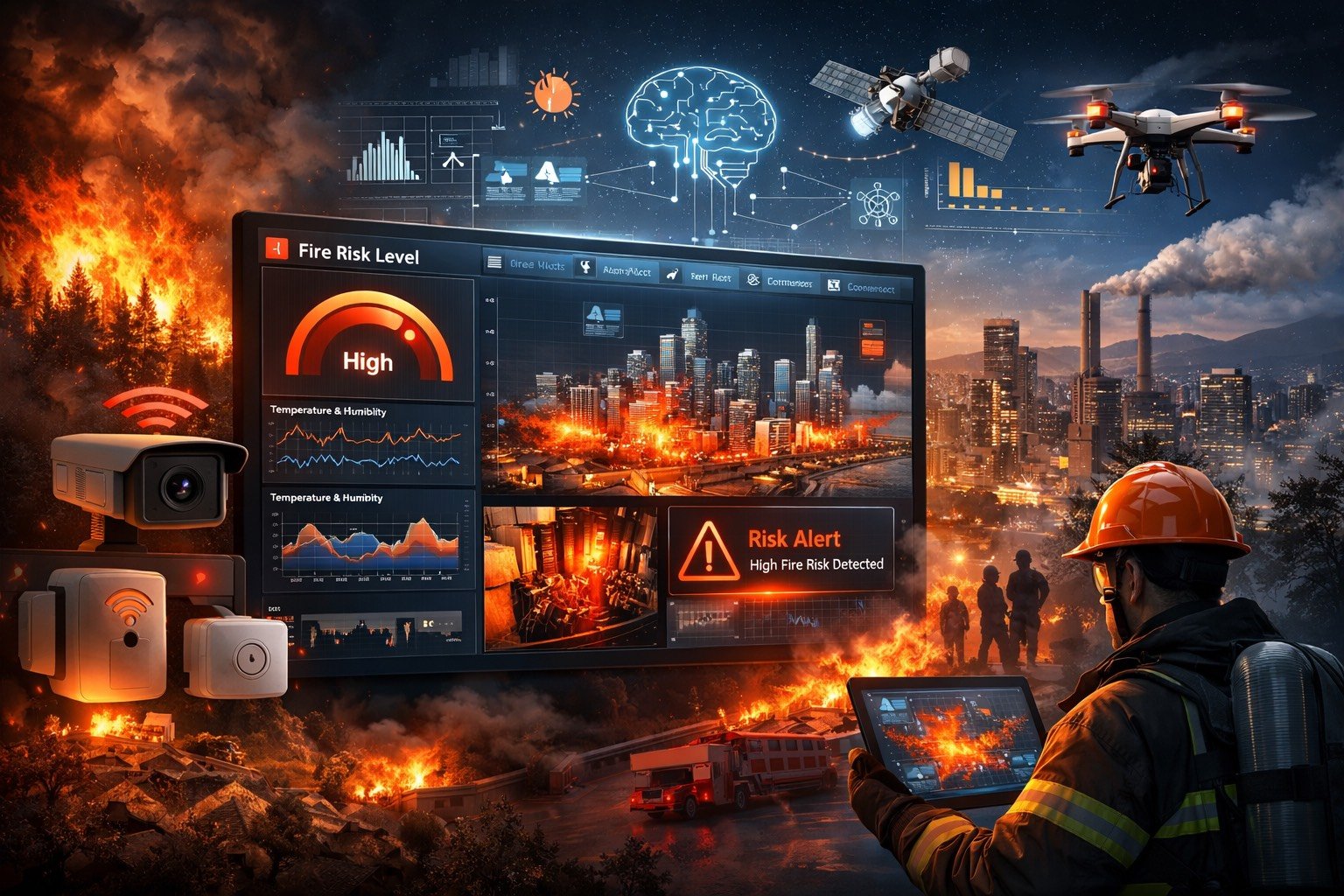
safety has traditionally been reactive—alarms trigger, responders rush in, and damage control begins. While this approach has saved countless lives, it still relies on a fire already happening. In an era defined by data, connectivity, and artificial intelligence, fire prevention is shifting toward something far more powerful: prediction. Smart analytics enables organizations, cities, and industries…
-
Innovative Fire Detection Sensors You Should Know About
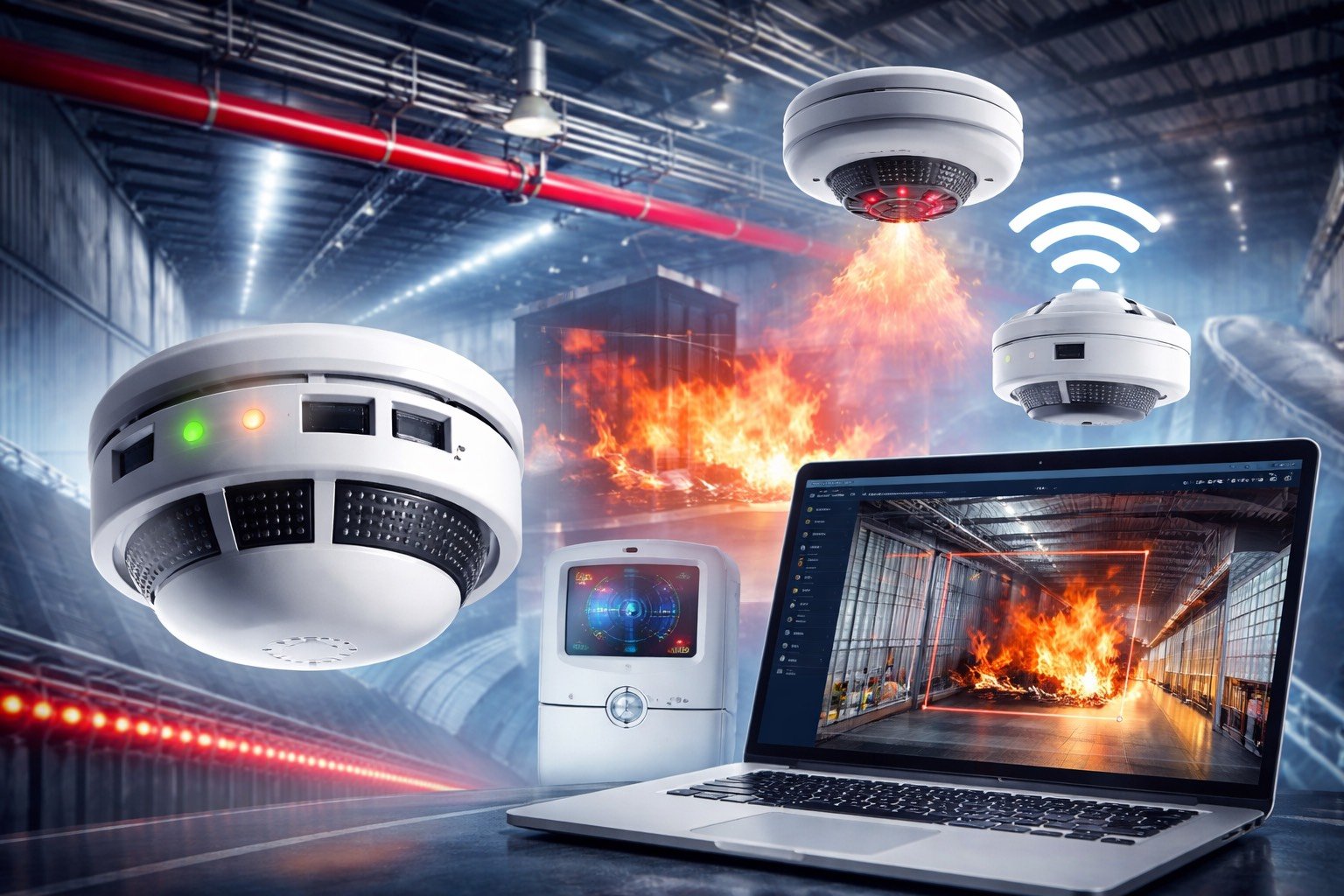
Fire detection technology has evolved far beyond traditional smoke and heat detectors. As buildings become smarter, denser, and more complex, the need for faster, more accurate, and more context-aware fire detection has driven significant innovation in sensor technology. Modern fire detection sensors are now capable of identifying fires earlier, reducing false alarms, and integrating seamlessly…
-
How Technology Will Shape the Future of Fire Safety
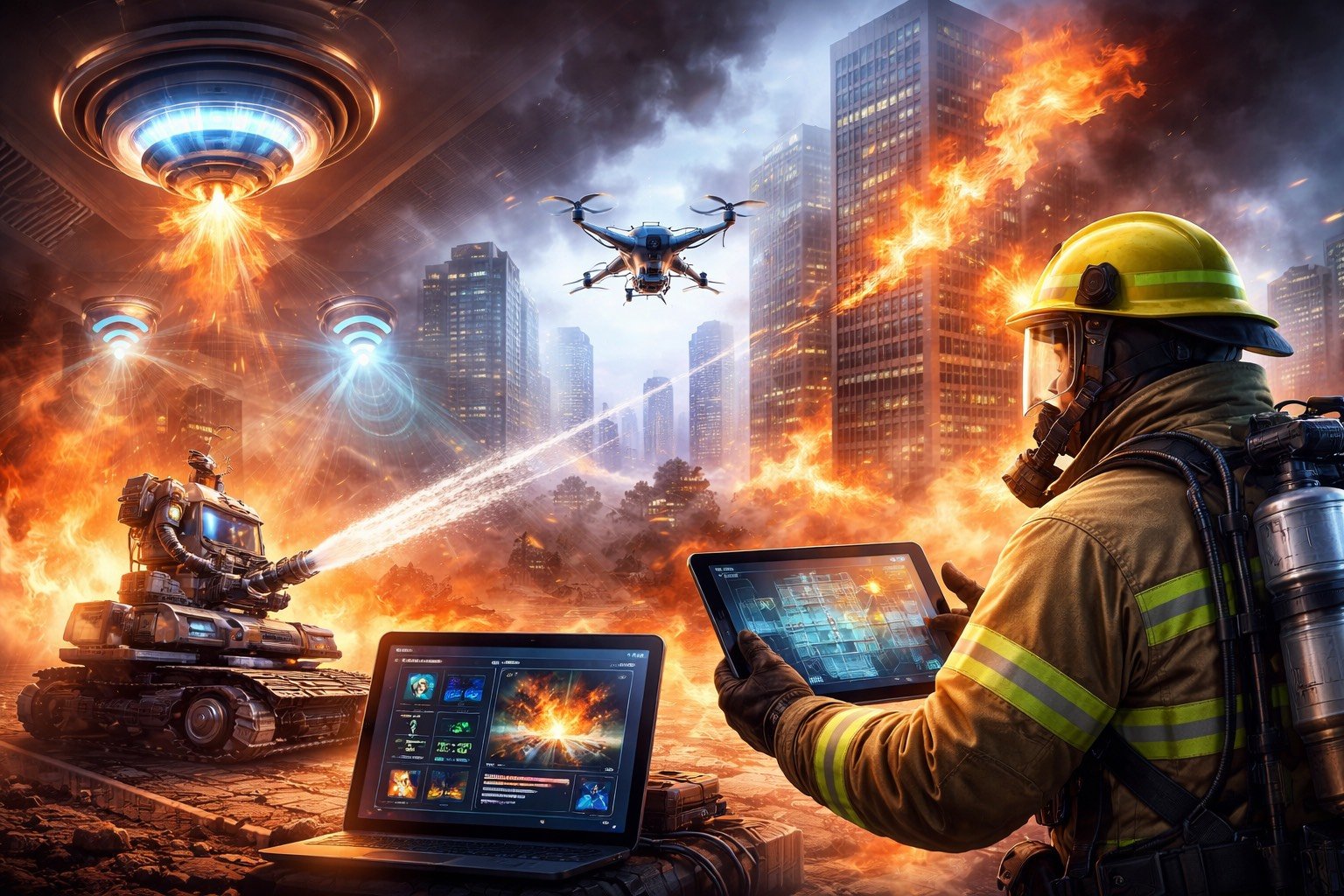
safety has always been a critical concern for homes, businesses, and public spaces. For decades, traditional measures such as smoke detectors, fire extinguishers, and sprinkler systems have been the first line of defense against devastating fires. While these tools have saved countless lives, they often operate reactively—alerting occupants only after a fire has started. With…
-
Lessons Learned from Major Fires in 2025
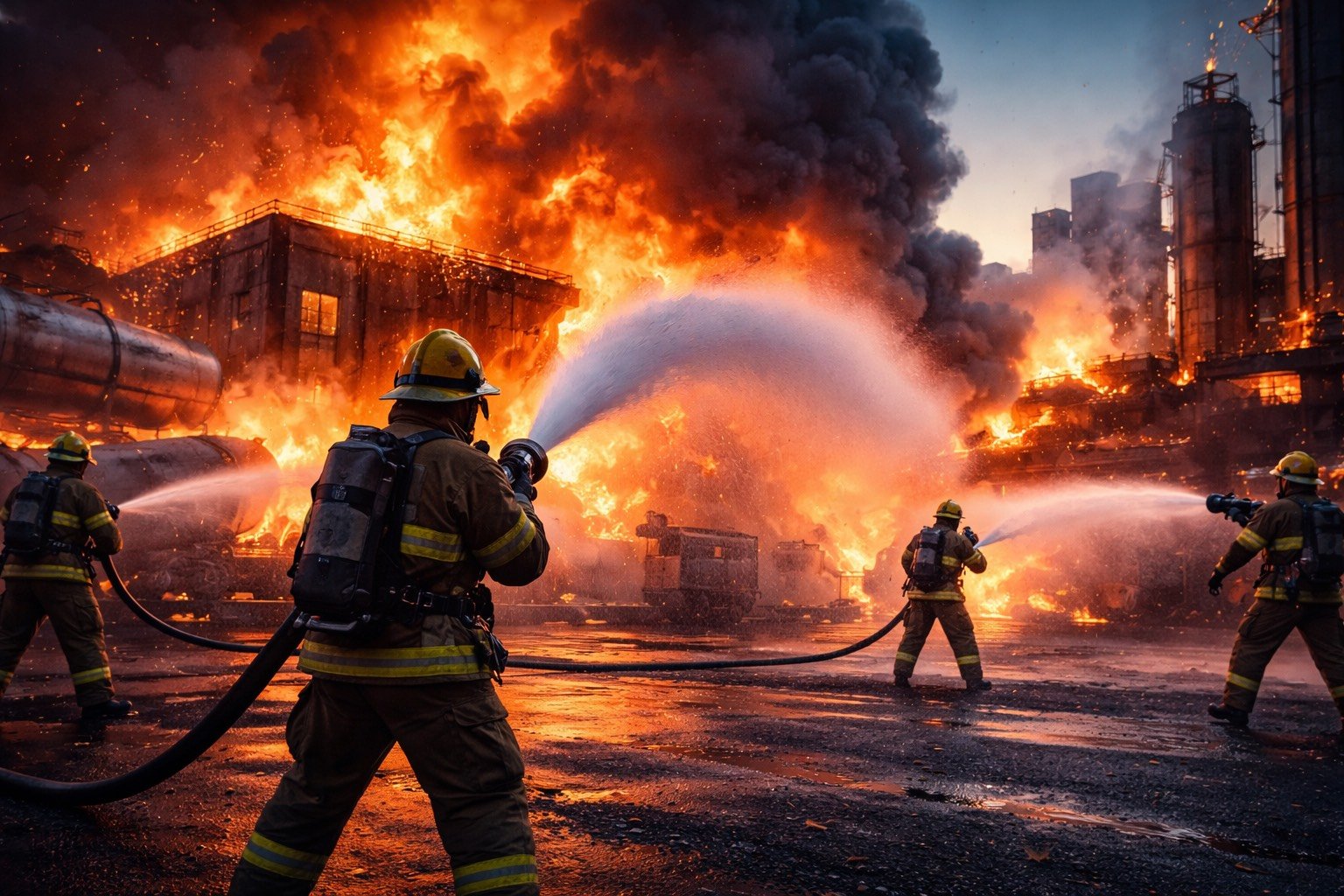
The year 2025 served as a stark reminder that fire remains one of the most destructive and unpredictable hazards facing modern societies. Despite advancements in building technology, fire protection systems, and emergency response strategies, several major fires across industrial, commercial, residential, and wildland settings resulted in significant loss of life, property damage, and environmental harm.…
-
What’s Next in Fire Protection? Predictions for 2026 and Beyond
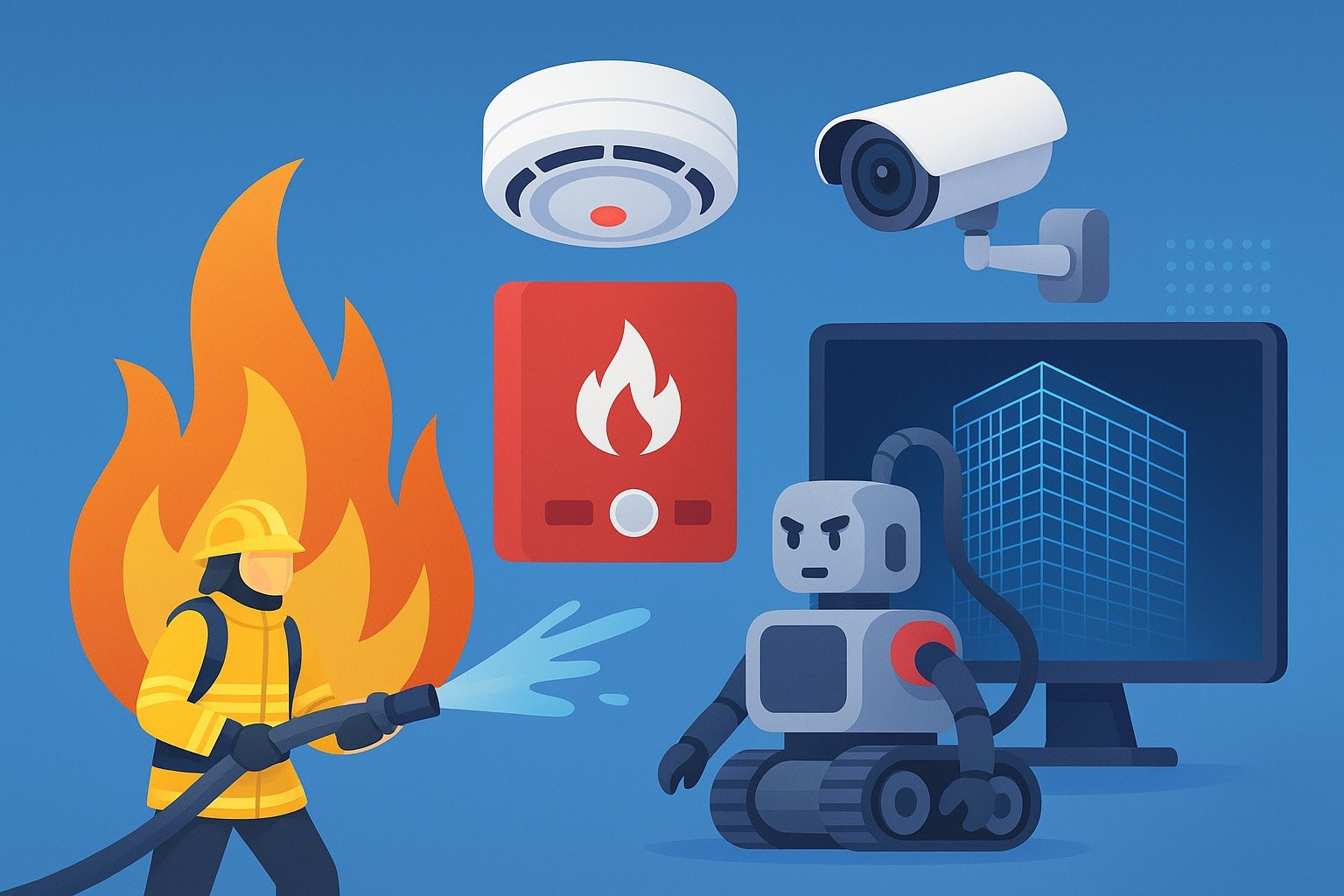
Fire protection technology is evolving at a pace never seen before. Driven by rapid urbanization, climate-related risks, increasing building complexity, and stricter global regulations, the industry is gearing up for a wave of innovation that will redefine how we detect, prevent, and suppress fire. As we step into 2026 and look further ahead, several key…
-
Top Fire Protection Insights of 2025: A Year in Review
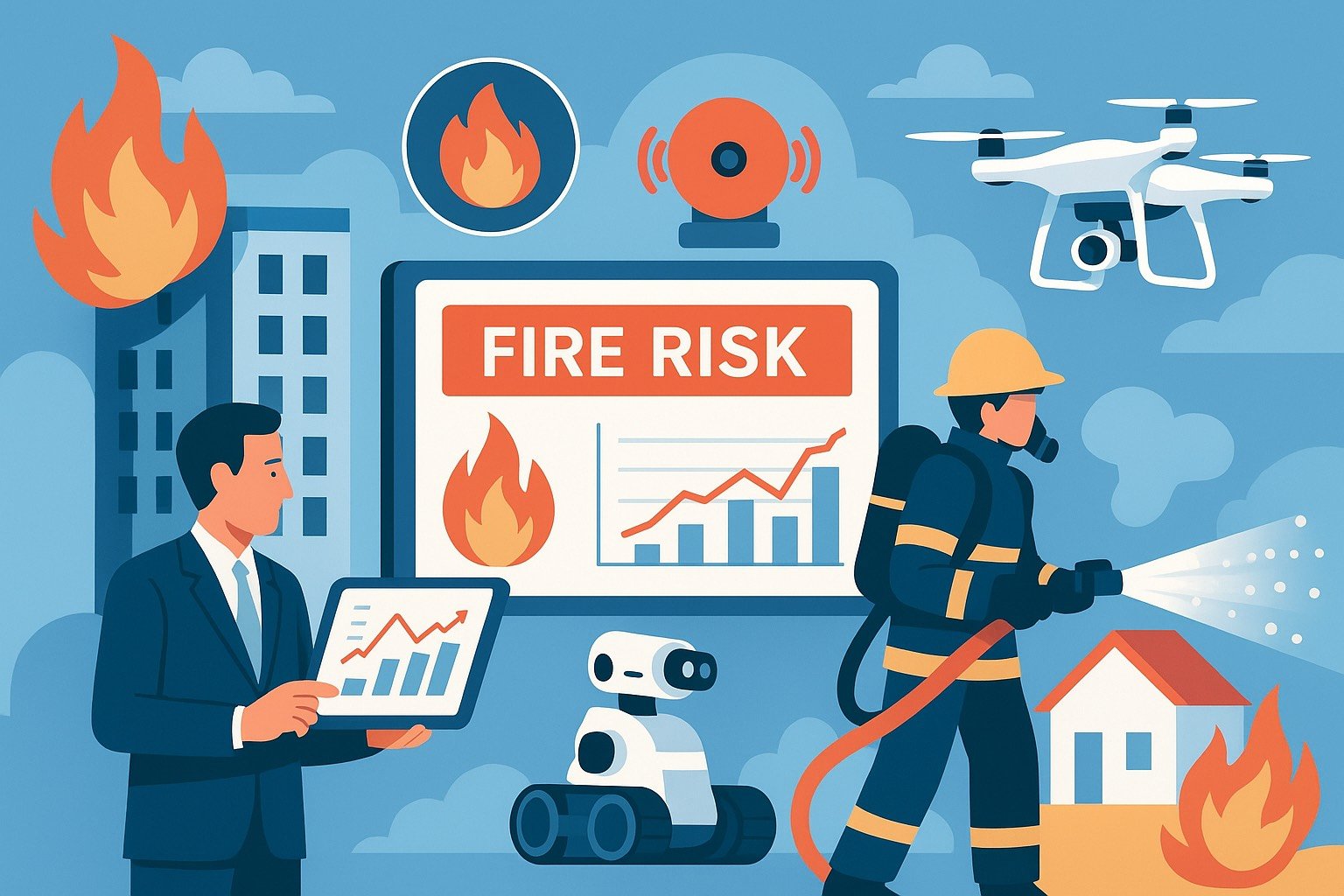
As 2025 comes to a close, the fire protection landscape looks significantly more advanced, interconnected, and data-driven than ever before. Over the past year, the industry has embraced smarter technologies, shifted priorities in system design, and deepened its focus on sustainability and building resilience. This review highlights the major trends, breakthroughs, and lessons that shaped…
-
How Smart Buildings are Adopting Advanced Fire Safety Measures
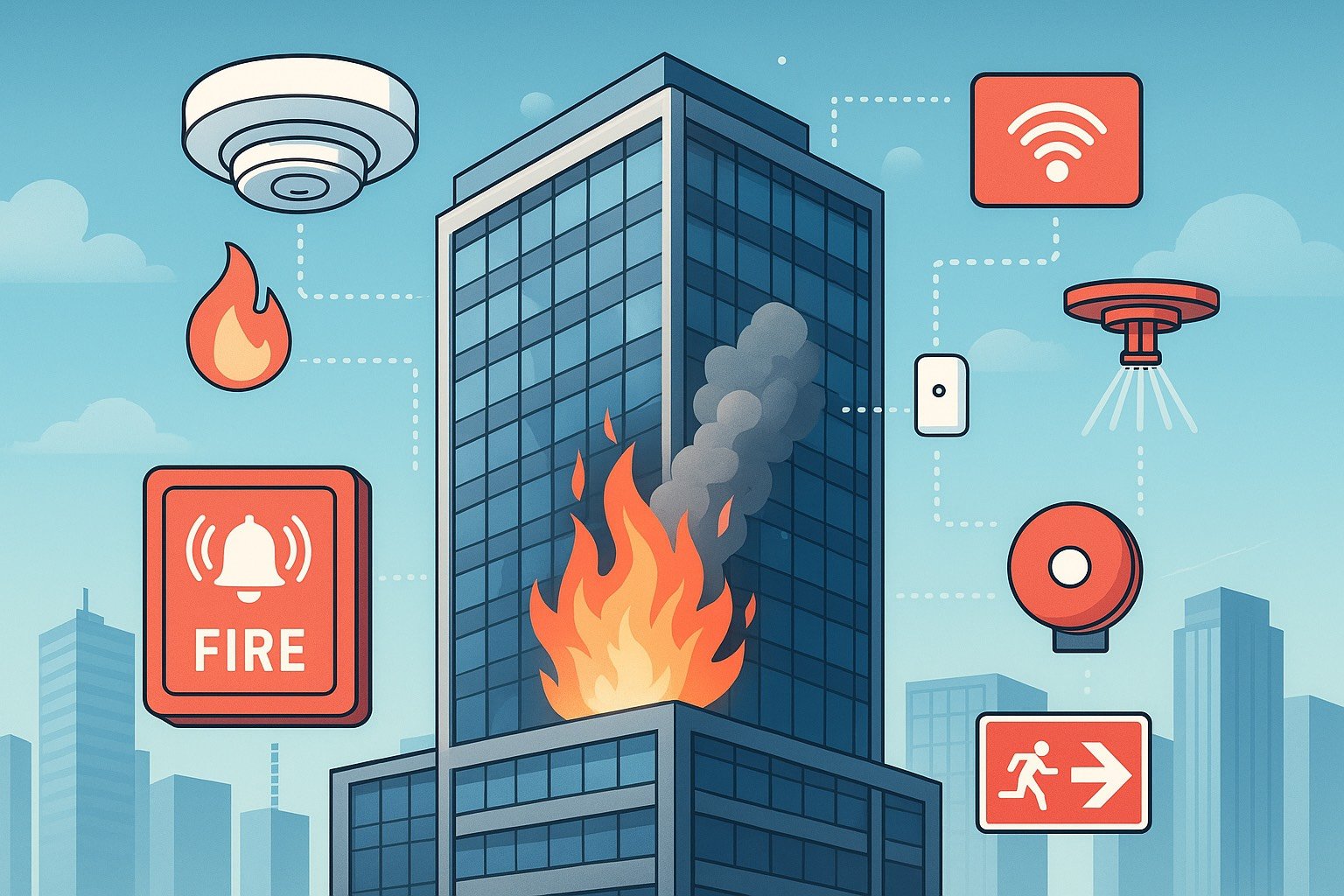
As urban environments become more complex and densely built, the risk — and potential consequences — of fires in large buildings, high-rises, and mixed-use developments grows substantially. In response, the concept of “smart buildings” — structures equipped with integrated digital, sensor, and automation technologies — has begun to transform how fire safety is designed, implemented,…